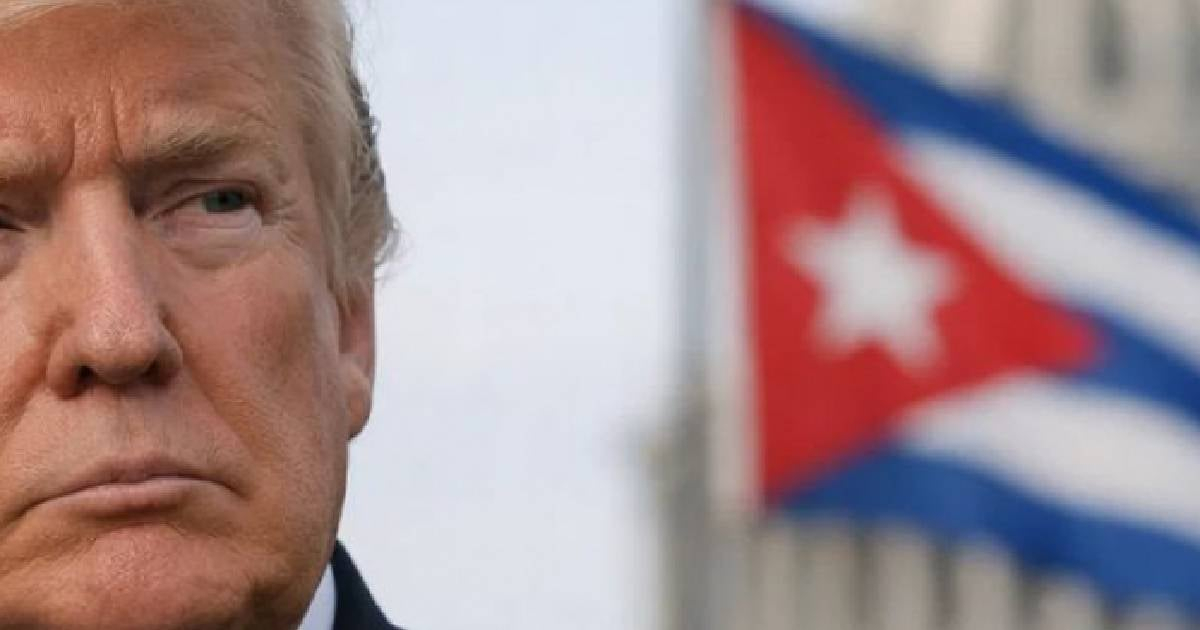
The intensifying pressure from the United States on Cuba is driven by a mix of economic, geopolitical, and regional control interests, making the island a crucial target for Donald Trump's current administration.
Economic Interests at the Forefront
An analysis from The Atlantic highlights that the White House strategy aims to economically strangle the nation through measures like blocking oil supplies, with the intention of causing internal deterioration that would force the Cuban government to come to the negotiation table.
One of the primary motivations is economic gain. The analysis suggests that Trump is less focused on ideological shifts in Cuba and more interested in establishing a leadership that aligns with Washington, opening opportunities for U.S. companies to invest on the island.
Regional Dynamics and Political Maneuvers
Additionally, the regional context plays a significant role. The strategy towards Cuba is intertwined with previous actions against Venezuela, a country on which the island heavily relies for energy supplies. By undermining Caracas, Washington aims to indirectly weaken Havana and increase its vulnerability.
The political dimension cannot be overlooked. The policy concerning Cuba has been a longstanding priority for the current Secretary of State, Marco Rubio, who has advocated for change on the island for years. During his second term, Trump seeks to cement a foreign policy legacy marked by actions other presidents have not accomplished.
Migratory and Security Concerns
Another critical element is the migration and security control. The administration associates the situation in Cuba with its broader objectives of curbing illegal migration and combating drug trafficking, as part of a comprehensive strategy to strengthen U.S. influence in the Western Hemisphere.
However, there are constraints to this pressure. The analysis cautions that Washington is trying to avoid a complete collapse that could trigger a major humanitarian crisis or a massive wave of migration.
Simultaneously, Russia's presence as a Cuban ally adds another geopolitical layer, turning the island into a focal point amid global disputes.
Overall, Cuba emerges as a strategic focal point for Trump, where economic interests, regional influence, and political calculations intersect during a period of high international tension and shifting alliances.
Understanding the U.S. Strategy on Cuba
What are the economic interests of the U.S. in Cuba?
The U.S. seeks to establish leadership in Cuba that aligns with its interests, allowing American companies to invest in the island and potentially opening up economic opportunities.
How is Venezuela connected to the U.S. strategy on Cuba?
The U.S. strategy involves weakening Venezuela, a key energy supplier for Cuba, to indirectly increase pressure on Havana and exploit its vulnerabilities.
What are the potential risks of the U.S. pressure on Cuba?
There is a risk of causing a total collapse in Cuba, which could lead to a significant humanitarian crisis or a large-scale migration wave, situations that Washington aims to avoid.