Last Friday, President Donald Trump unveiled a budget proposal for the fiscal year 2027, which includes initial steps to shift airport security operations from the federally managed Transportation Security Administration (TSA) to private companies. The TSA was established in the aftermath of the September 11, 2001, terrorist attacks.
The plan suggests cutting $52 million from the TSA's budget and mandates that smaller airports join the Screening Partnership Program (SPP), where the TSA hires private firms to conduct passenger screenings under federal oversight, as reported by Reuters.
With about 50,000 federal employees, the TSA is responsible for security screening at nearly all airports nationwide.
The White House budget documents argue that "airports currently using the program have demonstrated cost savings compared to federal screening operations."
This proposal comes in the wake of the disruption caused by the partial shutdown of the Department of Homeland Security (DHS) that began on February 14, 2026. This shutdown left TSA federal agents unpaid for over 40 days, marking the longest in U.S. history.
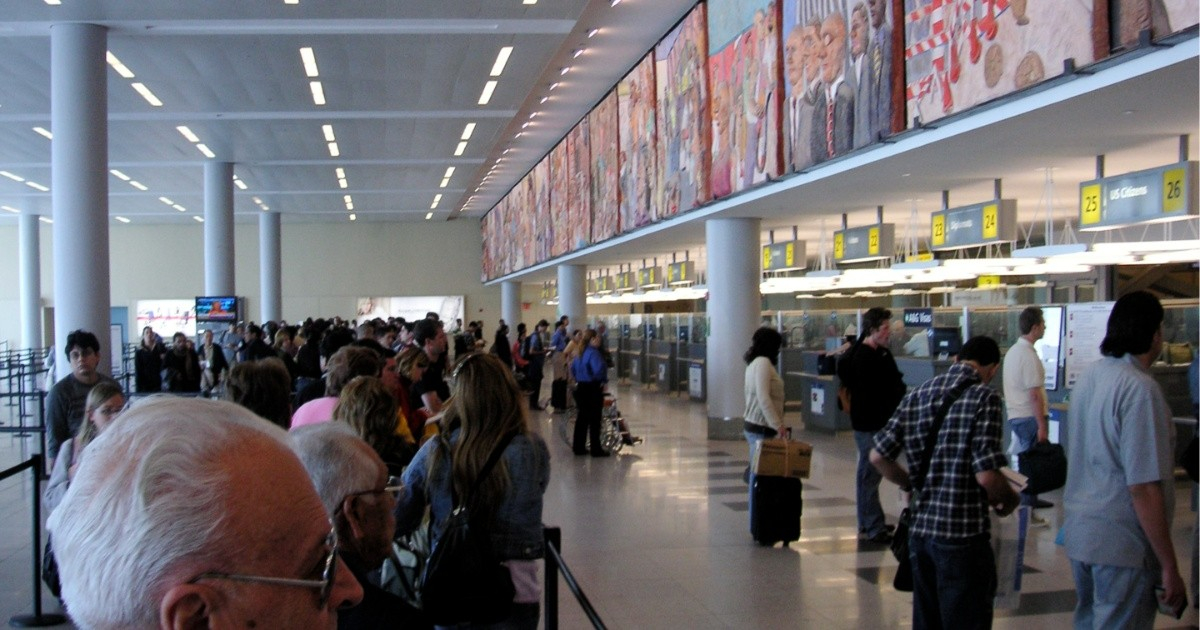
As a result, absenteeism among agents rose to a national average of 11% to 12%, with some airports experiencing peaks exceeding 50%. At least 460 agents resigned, leading to wait times of up to four hours at terminals across the country during peak spring travel.
The Trump administration argues for expanding the program, noting that airports already utilizing private security personnel under the SPP did not experience these disruptions during the DHS shutdown.
Currently, around 21 airports voluntarily participate in the program, including San Francisco International Airport and Kansas City Airport.
To address the crisis, Trump ordered the deployment of at least 50 Immigration and Customs Enforcement (ICE) agents per shift at 14 airports on March 23, and on March 27, he signed an executive order to immediately pay TSA agents.
The American Federation of Government Employees (AFGE) union has cautioned against potential risks to aviation security and possible reductions in wages and labor protections for workers if privatization proceeds.
The proposal does not entail a complete or immediate privatization: the TSA would continue to oversee contracts, policies, and equipment, with private agents operating under its standards. The $52 million cut represents only 0.45% of the agency's total budget for 2026, estimated at about $11.5 billion.
The initiative still requires Congressional approval, with Congress on recess until mid-April, without having resolved the budget impasse that led to the TSA crisis.
Understanding the Implications of Trump's Airport Security Proposal
Why is Trump proposing to privatize airport security operations?
Trump's proposal aims to address the disruptions caused by the DHS shutdown and leverage cost savings observed in airports already using private security under the Screening Partnership Program (SPP).
What is the Screening Partnership Program (SPP)?
The SPP is a program where the TSA contracts private companies to perform passenger screenings, allowing for federal oversight while utilizing private sector efficiency.
How might the proposal affect TSA employees?
The American Federation of Government Employees (AFGE) has raised concerns about potential job security risks and possible reductions in wages and benefits for TSA employees if privatization moves forward.
What are the next steps for the proposal to become effective?
The proposal requires Congressional approval. Congress must resolve the ongoing budget impasse and review the proposal once they reconvene.