Health authorities have heightened epidemiological surveillance in response to hepatitis outbreaks reported in several municipalities. The most severe situation is found in the Versalles neighborhood of Matanzas city, where 18 active cases have been identified.
This information was disclosed on Friday by the provincial TV Yumurí through its Facebook page, quoting Dr. Andrés Lamas Acevedo, the director of the Provincial Center for Hygiene, Epidemiology, and Microbiology. Dr. Lamas Acevedo noted that the cases in Versalles are spread across zones "from the Plácido pharmacy to the Yumurí river, the Americano neighborhood near the Cumbre, and areas close to Ernest Thaelman school."
While acknowledging the relative seriousness of the situation, the expert attempted to downplay concerns: "Although it's not a large-scale outbreak, collaborative efforts between the health sector and other organizations will help halt the transmission."
In addition to Versalles, the La Marina neighborhood in the Cárdenas municipality has seven active cases. Meanwhile, outbreaks in the Pálpite and Cidra communities are nearing closure, as no new cases have been reported in approximately a month.
Officials have also warned of isolated hepatitis cases across the majority of the province's municipalities.
Transmission and Prevention Measures
The disease is transmitted via the fecal-oral route, primarily through the intake of contaminated water or food. It can spread from seven days before symptoms appear until 15 days after they begin.
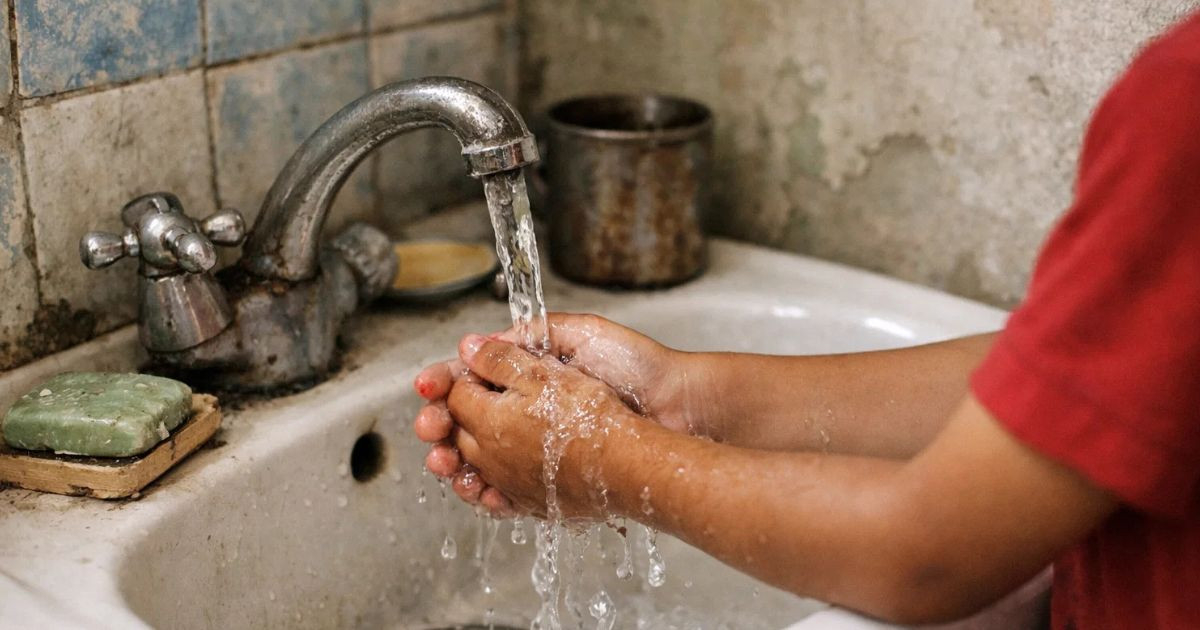
In light of the situation, authorities emphasize the need to enhance hygiene and sanitation measures. These include boiling and chlorinating drinking water, ensuring proper waste disposal, protecting food, and isolating patients at home with dedicated utensils.
Recurring Crisis Amid Energy Failures
The current crisis is neither new nor unexpected. On March 7, the Provincial Government had already urged the population to boil and chlorinate water due to isolated hepatitis cases, amidst power outages lasting up to 70 hours that halted water pumps in numerous areas.
Around March 20, Radio 26 reported a Cidra outbreak in Unión de Reyes municipality, with 11 confirmed cases linked directly to water quality issues.
Matanzas' situation is part of a broader structural water crisis impacting all its municipalities. This includes months-long disruptions in pumping systems, open wells in sidewalks and yards, and private water trucks costing between 6,000 and 8,000 pesos.
This precariousness, exacerbated by the energy crisis, provides a breeding ground for fecal-oral transmitted diseases like hepatitis A. In 2024, over 5,000 residents in the Reina neighborhood of Cienfuegos were infected in a single outbreak due to contaminated drinking water.
In January, an independent journalist reported on the spread of a hepatitis A outbreak in various eastern regions such as Santiago de Cuba, amid severe sanitation issues, garbage accumulation, sewer system collapses, and deterioration of the potable water system, according to alerts from those areas.
Understanding the Hepatitis Outbreak in Matanzas
What is causing the hepatitis outbreak in Matanzas?
The outbreak is primarily due to contaminated water and food, a consequence of structural water crises and inadequate sanitation measures.
How can hepatitis transmission be prevented?
Preventive measures include boiling and chlorinating drinking water, ensuring proper waste disposal, protecting food from contamination, and isolating infected individuals with exclusive utensils.