The Federal Bureau of Investigation (FBI) revealed on Tuesday that even during the severe economic downturn of the 1990s, known as the Special Period, Cuba continued to fund its intelligence services. This was despite the collapse of its economy following the loss of Soviet subsidies. The FBI warns that the island's current economic crisis will not alter this pattern.
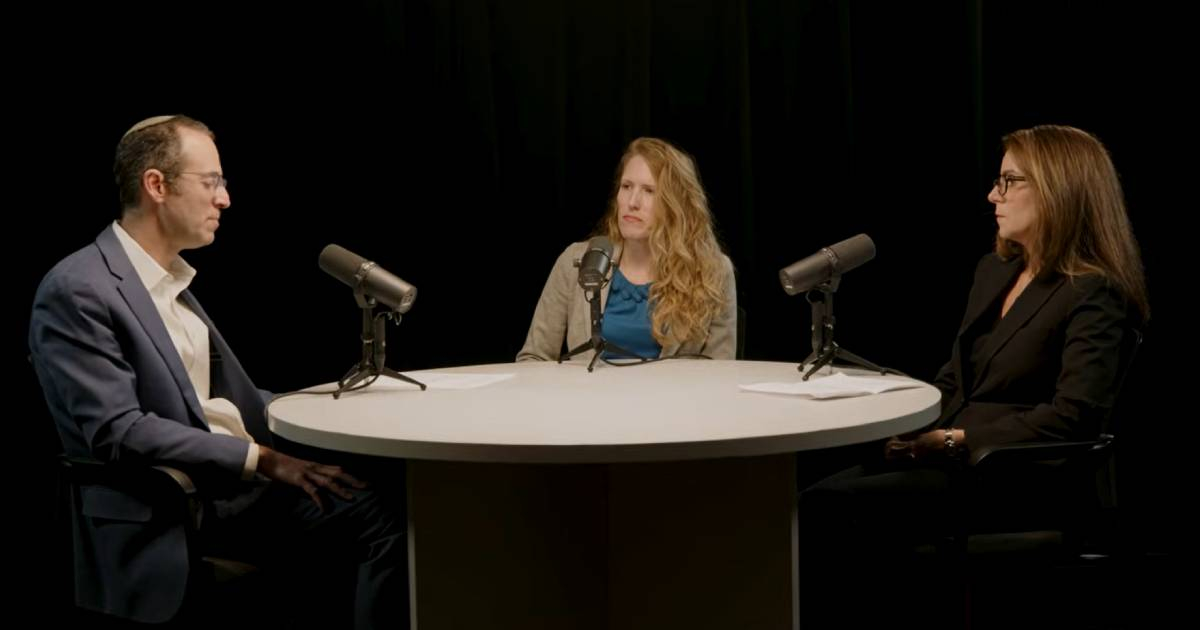
This warning is highlighted in a video titled "Cuba: The Neighborhood Spy," released today on YouTube by the FBI. The video features insights from Josh Obsfeld, Executive Director of External Engagement for the FBI's Counterintelligence Division, along with Special Agent Aliza and National Intelligence Senior Analyst Tiffany.
Analyst Tiffany noted, "During the 1990s, Cuba was experiencing the Special Period. They lost all their Soviet subsidies, yet their intelligence services remained funded." Tiffany emphasized that despite ongoing economic challenges, the situation remains unchanged.
The video details how Cuba received training and resources from the Soviet Union and, later, from Russia. The regime prioritizes its intelligence services, allocating resources regardless of its economic situation.
Historical data supports this claim. From 1989 to 1993, Cuba’s Gross Domestic Product fell by nearly 35% following the Soviet collapse. However, the Dirección General de Inteligencia (DGI) and the Ministry of the Interior (MININT) continued to operate at full capacity. Notably, in September 1998, the FBI dismantled the largest Cuban espionage network ever discovered in the United States, which had been active during the hardest years of the crisis.
The FBI's warning is crucial as Cuba faces a crisis many liken to, or even worse than, the Special Period, with power outages lasting up to twenty hours a day and an economic contraction exceeding 11% over five years. A survey by the Food Monitor Program reveals that 80% of Cubans believe the current crisis is worse than that of the 1990s.
Earlier this month, the Pentagon reasserted that Cuba remains one of the strongest intelligence adversaries of the United States.
The video reviews significant Cuban espionage cases, including Ana Belén Montes, a former Defense Intelligence Agency analyst arrested in 2001 and released in January 2023; Walter Kendall Myers, a State Department analyst sentenced to life in 2009; and Víctor Manuel Rocha, a former ambassador to Bolivia, arrested in December 2023 and sentenced to 15 years in April 2024 for spying for Cuba for over forty years.
The FBI emphasizes that these spies were recruited based on ideology rather than financial incentives, making them almost undetectable. Tiffany explained, "They typically don’t receive large sums of money from the Cubans. If you're only looking for people with financial troubles, you won't find Cuban spies."
Special Agent Aliza summarized the issue: "Cuba has punched above its weight for a long time. For such a small island, it has been a thorn in our side because they are very skilled at what they do."
Cuban Espionage and Economic Crisis: Key Questions Answered
How did Cuba maintain its intelligence services during the Special Period?
Despite losing Soviet subsidies and experiencing severe economic decline, Cuba prioritized funding for its intelligence services, ensuring their continuous operation.
What makes Cuban spies difficult to detect?
Cuban spies are typically recruited based on ideological beliefs rather than financial incentives, making them less detectable through conventional financial scrutiny.
Why is the current Cuban economic crisis compared to the Special Period?
The current crisis in Cuba, marked by extensive power outages and significant economic contraction, mirrors the hardships faced during the Special Period, with many considering it even worse.