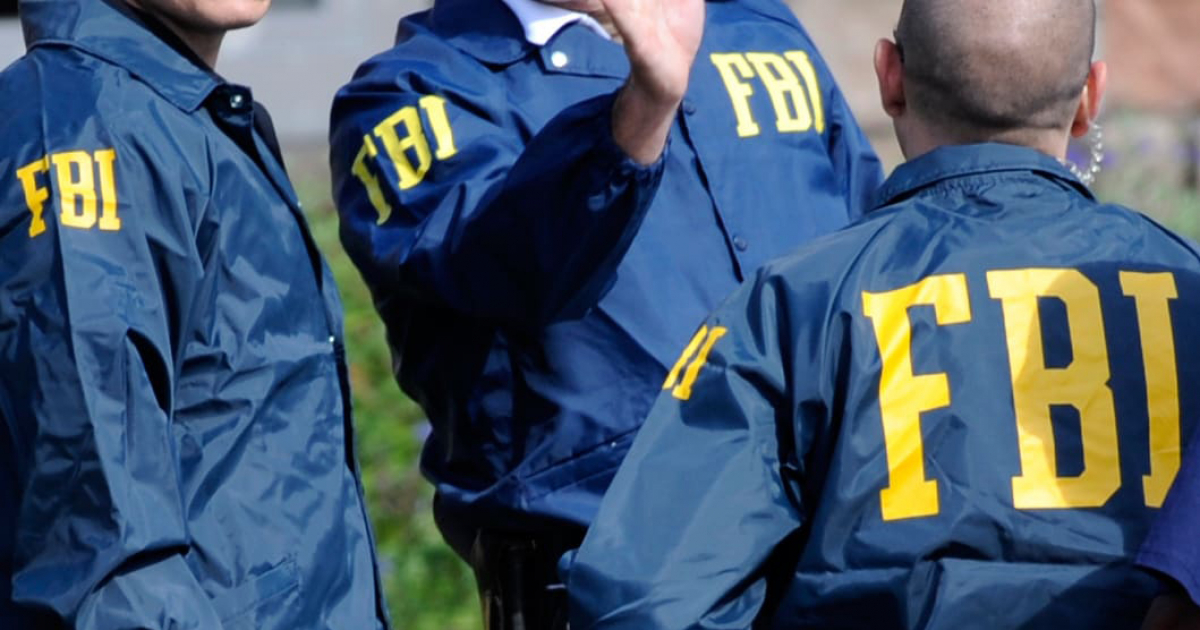
The FBI has released insights into how Cuba infiltrated the U.S. government over the years through a strategic operation of recruiting students and professors from prestigious universities long before they gained access to state secrets.
In a public video from its Counterintelligence and Espionage Division, the agency discussed the Cuban recruitment method in detail. This unusual disclosure came from a conversation featuring Josh Obsfeld, the FBI's External Relations Officer, along with Special Agents Aliza and Tiffany, who are senior national intelligence analysts.
"It was essentially a scattered group of students who were brought into the fold while studying or teaching at Ivy League universities. They often held certain ideological beliefs or viewed the Cuban Revolution as an ideal, which the Cubans exploited by recruiting them well before they entered the U.S. government. This recruitment made them elusive. By the time we identified them, they had been entrenched within the government for years and held significant positions," explained the agents.
Among the most infamous cases is that of Ana Belén Montes, a former chief analyst on Cuba for the Defense Intelligence Agency, who was released in January 2023 after serving over twenty years in prison.
Another notable example is Walter Kendall Myers, a State Department official who spied for Havana for nearly three decades, adhering to the same university recruitment strategy outlined by the FBI.
More recently, the case of Víctor Manuel Rocha, an ex-ambassador with degrees from Yale, Harvard, and Georgetown, sent shockwaves through the U.S. intelligence community. In April 2024, Rocha was sentenced to 15 years in prison for acting as a Cuban agent for decades within the diplomatic and security framework of the United States.
The FBI highlighted Rocha as the last loose end of a Cuban espionage network that had penetrated the highest levels of the U.S. government. This operation endured for decades, driven by a patient, ideologically motivated recruitment strategy originating from university campuses.
Cuban Espionage in U.S. Government: Key Questions Answered
How did Cuba manage to recruit individuals from Ivy League universities?
Cuba targeted students and professors at Ivy League institutions, exploiting their ideological beliefs or aspirations toward the Cuban Revolution, and recruited them long before they entered the U.S. government, making detection challenging.
What are some notable cases of Cuban espionage in the U.S.?
Prominent cases include Ana Belén Montes, who worked as a chief analyst on Cuba for the Defense Intelligence Agency, and Walter Kendall Myers, a State Department official. Both operated under the same recruitment model described by the FBI.
What was the impact of Víctor Manuel Rocha's espionage activities?
Víctor Manuel Rocha's espionage activities, which spanned decades, represented a significant breach within the diplomatic and security apparatus of the United States, culminating in a 15-year prison sentence in 2024.