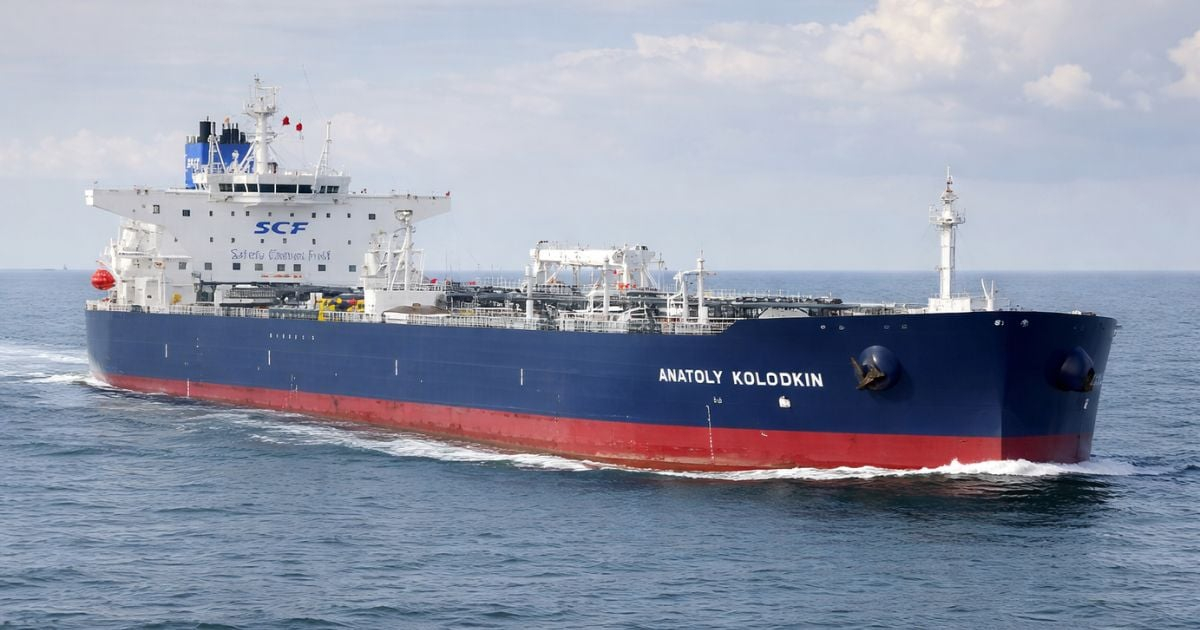
The U.S. Coast Guard has decided to allow the Russian oil tanker, Anatoly Kolodkin, carrying approximately 730,000 barrels of crude, to reach Cuba without interception, a U.S. official revealed to The New York Times on Sunday.
The vessel, owned by the Russian government, was reported to be less than 15 miles from Cuban territorial waters on Sunday afternoon, according to MarineTraffic data, traveling at a speed of 12 knots.
The tanker is anticipated to enter Cuban waters later that Sunday night, with plans to dock at the Matanzas port by Tuesday.
Impact on Cuba's Energy Crisis
This arrival marks the first significant energy supply Cuba has received in over three months, amid the island’s worst energy crisis in decades.
Analysts quoted by the Times suggest that the arrival of this vessel could alter the course of Cuba’s rapidly worsening crisis, potentially extending the island's fuel reserves for several weeks.
Background and Geopolitical Tensions
The Anatoly Kolodkin departed from the Russian port of Primorsk on March 8, crossing the Atlantic. Part of its journey was escorted by a Russian warship, which analysts interpreted as a deliberate provocation by Moscow towards Washington.
U.S. naval forces, including the USAV Wilson Wharf and the Coast Guard cutter CG Tahoma, were positioned near northern Cuba as the tanker approached, yet they ultimately did not intervene.
Ongoing Fuel Shortages
Since January 9, 2026, Cuba has not received stable oil supplies. Venezuela ceased sending oil following the capture of President Nicolás Maduro by U.S. forces, and Mexico suspended Pemex shipments under threat of U.S. sanctions.
Cuba's electricity shortfall ranged between 1,700 and 2,040 megawatts daily in March, with blackouts exceeding 30 hours. As of March 16, only 1,140 megawatts were available against a demand of 2,347 megawatts.
Questions About U.S. Policy
The decision not to intercept the Anatoly Kolodkin raises questions about the direction of Washington's maximum pressure policy toward Havana.
The Times noted that it remains unclear why the White House chose to allow this Russian oil delivery to Cuba, or if it will permit future Russian oil shipments to the island.
The decision also avoids a potentially thorny confrontation with Russia right off the coast of Florida.
Understanding the U.S. Decision on Oil Shipments to Cuba
Why did the U.S. allow the Russian tanker to reach Cuba?
The exact reasons behind the U.S. decision to allow the Russian tanker to reach Cuba are unclear. It may involve avoiding a direct confrontation with Russia and assessing the broader implications of U.S.-Cuba policy.
What impact does this oil delivery have on Cuba?
This delivery provides a much-needed supply of energy to Cuba, potentially alleviating the severe energy crisis for a few weeks by bolstering its dwindling fuel reserves.
How has Cuba been managing its energy needs?
Cuba has faced significant energy shortages, with daily electricity deficits and extensive blackouts due to a lack of stable oil supplies from traditional allies like Venezuela and Mexico.