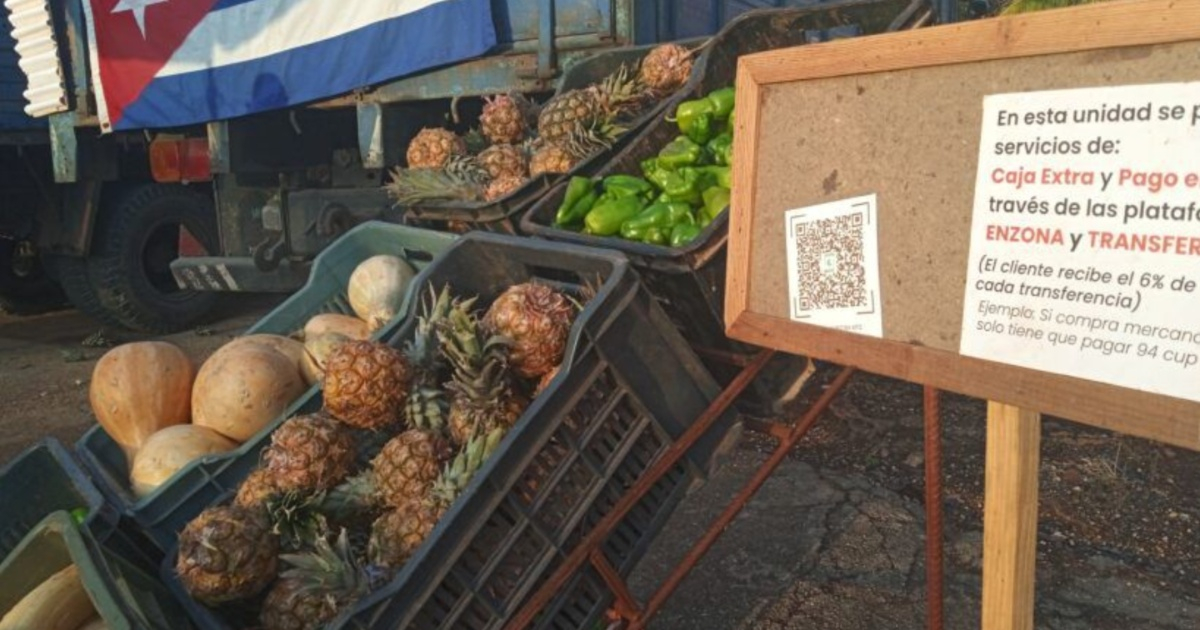
The predicament faced by Cuban farmers is not solely due to the government's failure to pay them; rather, it is a symptom of a deeper systemic issue. When farmers fail to produce, they are often blamed for the country's food shortages, as highlighted in an analysis by Girón newspaper that exposes one of the most significant contradictions in Cuban agriculture.
Journalist Humberto Fuentes offers a detailed account of the mechanisms that cripple the agricultural sector. Producers deliver milk, meat, or crops to state-run enterprises, sign a receipt, and then endure a seemingly endless wait of 30, 60, or even 90 days to be paid. Meanwhile, essential supplies like feed, fertilizers, and labor need to be paid for upfront, often in cash and frequently in U.S. dollars.
This distortion is exacerbated by fuel shortages and power outages, creating an environment that drives many farmers towards financial ruin, demotivation, and the diversion of their produce to informal markets.
Delayed payments lead to a reduced ability to purchase necessary supplies. Without feed, livestock yields less milk. Without fertilizers, fields go unfumigated or unplowed in time. Without paying laborers, crops rot. The lack of payment results in the low productivity that is later criticized.
What incentive does a farmer have to expand their crops, invest in technology, or even maintain current production levels when every dollar earned becomes a piece of paper with no payment date?
Many farmers seek immediate liquidity to survive. Consequently, some of their produce ends up in farmer's markets or the black market simply to meet their basic survival needs.
Historical Financial Challenges
The issue is neither new nor isolated. In Havana, the procurement agency owed nearly 200 million pesos to producers, a figure that already highlighted the financial collapse of the state agricultural purchasing system.
In Sancti Spíritus, Río Zaza amassed over 150 million pesos in debts to its suppliers, halting production in one of the country's key agricultural regions.
In Granma, farmers from Yara reported over 1,000 tons of tomatoes left unpaid, a concrete example of how non-payment destroys entire harvests and discourages future planting.
The impact on food availability is devastating. Official data shows a 44% drop in crop production, a 43% decline in egg production, and a 37.6% decrease in milk production—numbers that directly reflect a system that punishes those who produce.
Even official media outlets have acknowledged the repercussions of this practice. A recent article in Cubadebate, aptly titled "Not Honoring Debts Comes at a High Price," implicitly admits the government's consistent failure to fulfill its commitments to producers.
Key Issues Affecting Cuban Agriculture
What are the main reasons for low agricultural production in Cuba?
The primary reasons include delayed payments to farmers by the government, shortages of necessary supplies like feed and fertilizers, fuel shortages, and frequent power outages.
How do delayed payments impact farmers in Cuba?
Delayed payments reduce farmers' ability to purchase essential supplies, leading to lower productivity and the diversion of produce to informal markets for immediate liquidity.
What are the consequences of non-payment on food availability?
The consequences include significant reductions in the production of crops, eggs, and milk, which directly affect food availability and the overall economy.