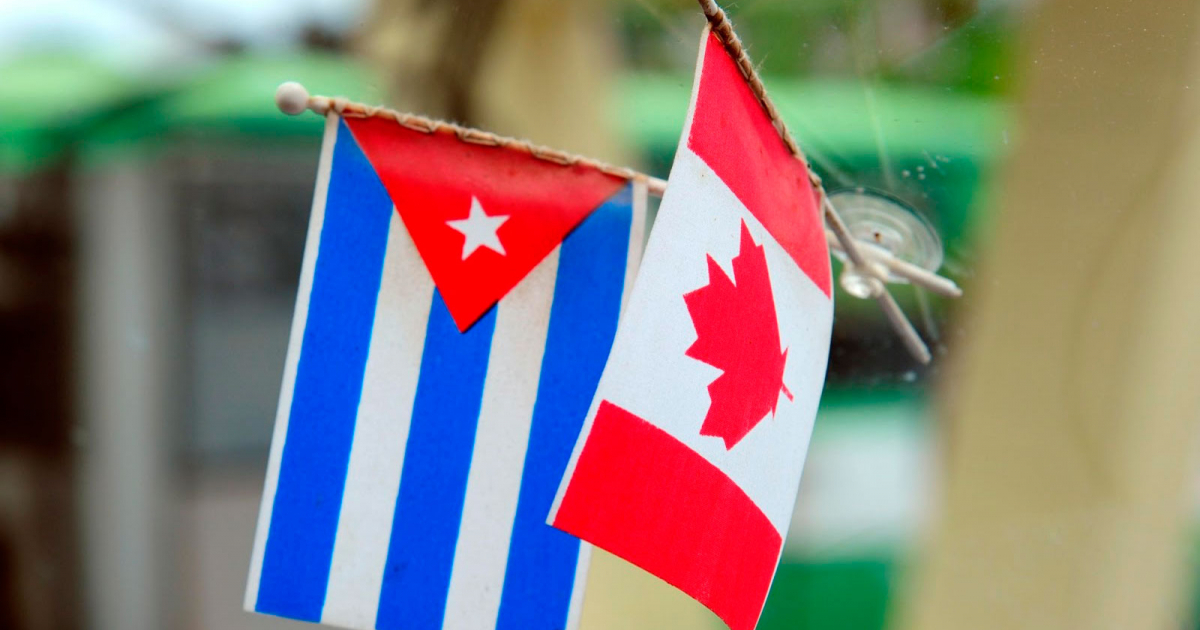
The ongoing structural crisis in Cuba is no longer just impacting everyday citizens; it is now dragging down major foreign investors as well. Canadian companies, which have long seen the island as a promising market, are now grappling with massive debts, relentless power outages, and escalating political risks.
A report by CBC News highlights the potential for significant financial losses for these companies amidst a rapidly deteriorating economy. There are even mentions of possible expropriations and legal challenges that could jeopardize their operations.
While the regime attempts to project an image of stability, the stark economic reality tells a different story.
Historically, Canada has been one of Cuba's key trading partners, but that relationship is beginning to fray. Ottawa has already warned its businesses about "payment risks" stemming from a persistent liquidity crisis. In early 2026, the Canadian Commercial Corporation (CCC) ended its support program for businesses in Cuba, citing "escalating financial risks and deteriorating economic conditions."
Impact on Key Sectors
The repercussions are most evident in vital sectors like tourism and mining. Canadian-managed hotels are struggling with power outages, food shortages, and inadequate services, as the tourism industry fails to rebound post-pandemic. "The operational environment is on the brink of collapse," noted researcher Maria Werlau, as quoted by CBC News.
The mining sector is facing similar challenges. Sherritt International, which operates the Moa nickel mine—one of the largest in the world—is owed at least $344 million by the Cuban state.
On February 17, Sherritt temporarily halted extraction in Moa due to a fuel supply shortage reported by Cuban authorities, shifting to maintenance mode.
For months, Sherritt had acknowledged significant operational challenges due to the economic crisis, currency shortages, and energy problems. Nickel and cobalt production in 2025 fell below both the previous year's levels and initial forecasts, impacted by the energy crisis, supply delays, and damage from Hurricane Melissa in October 2025.
To stabilize financially, the company completed a debt restructuring in April 2025, extending maturities to November 2031 and reducing its debt load by $68 million.
Freezing Foreign Investments
The structural context further exacerbates the situation. At the end of 2025, the Cuban regime officially froze foreign currency bank accounts of all foreign businesses, preventing withdrawals and transfers abroad. This measure affects 334 businesses with foreign direct investment, including 56 with entirely foreign capital.
"There's no clarity. No one knows the rules," summed up an investor cited by The Economist. It is suspected that the regime is redirecting these funds to finance imports amidst the complete liquidity collapse of the banking system.
The Political Risk Factor
The issues extend beyond economics. Political risk is becoming the looming threat. Many investments are tied to properties expropriated after the revolution, opening the door to legal claims, especially in a context where the United States could play a decisive role in any future transition on the island.
Moreover, these companies face potential lawsuits over labor exploitation and environmental damages, stemming from structural practices within the Cuban system, such as the state's retention of wages for workers hired by foreign companies.
In the meantime, the regime continues to blame the U.S. embargo for the crisis, while more voices point to internal inefficiencies and decades of poor management as the central causes of the collapse.
For many analysts, the message is clear: Cuba's crisis has entered a phase where it not only drives its people away but also those who once sought to do business under a system now showing undeniable signs of exhaustion.
Frequently Asked Questions on Canadian Investments in Cuba
What challenges are Canadian companies facing in Cuba?
Canadian companies in Cuba are dealing with significant challenges such as mounting debts, frequent power outages, and increasing political risks, including the threat of expropriation.
How has the economic crisis in Cuba affected the tourism and mining sectors?
The economic crisis has severely impacted the tourism sector, with hotels managed by Canadian companies facing power outages and food shortages. In the mining sector, Sherritt International has experienced operational disruptions due to fuel shortages and owes substantial debts.
What measures has Canada taken in response to the situation in Cuba?
Canada has warned its businesses about the payment risks associated with the liquidity crisis in Cuba. The Canadian Commercial Corporation also terminated its support program for Cuban businesses, citing the deteriorating economic conditions.