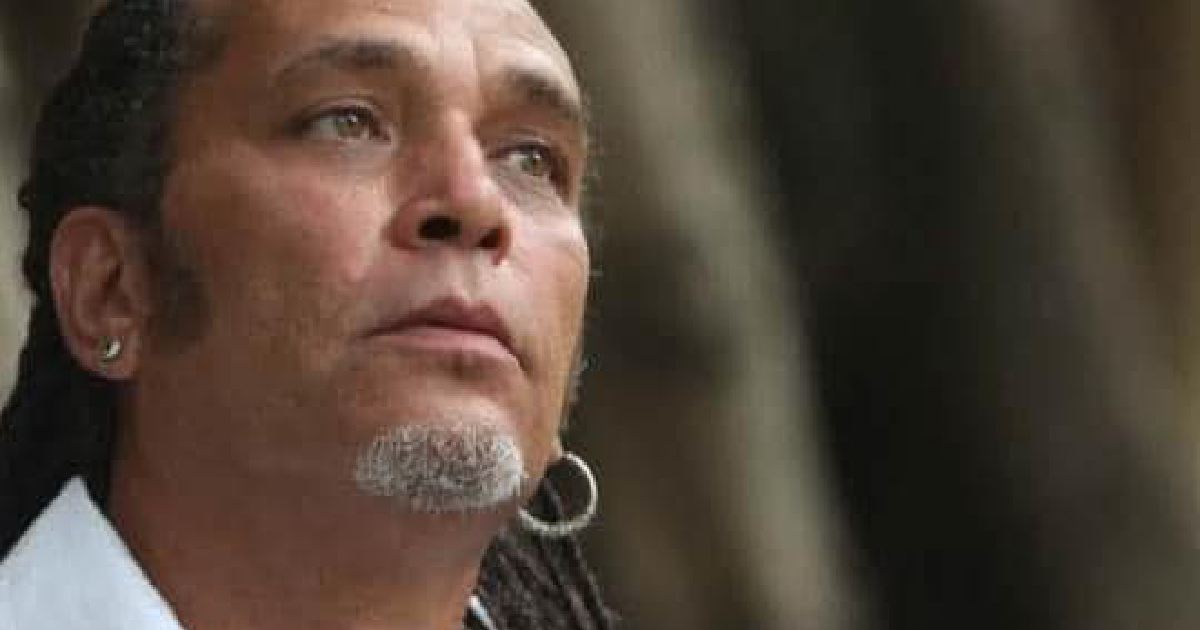
In roles like Ernesto from the film Clandestinos, risking his life for a different Cuba, or Elpidio in La vida es silbar, confronting fate and identity, actor Luis Alberto García has embraced the intellectual challenge of being a critical and consistent voice in today's Cuban society.
He does this without fanfare, embodying the sentiment of Martí's advice to do good "without calling the world to witness." In the digital public square, where Cubans find a sliver of the democracy denied them for decades, his posts are sought after as beacons of courage and integrity amidst relentless daily struggles.
A Voice Against Injustice
García advocates for a mistreated professor and activist, criticizes state media for its complacency in propaganda while the nation crumbles, and boldly confronts the political police, urging them to "stop!" He battles metaphorical windmills and seeks to right wrongs.
A Pause in Cultural Gatherings
Recently, García announced the temporary suspension of his weekly event in Havana, "La máquina de la melancolía" at the El Cabildo Cultural Center. "Hitting rock bottom," he began his post, later adding, "The end of this dark tunnel remains out of sight."
Expressing regret over canceling the March 22nd gathering, García wrote, "We must halt this jalopy." He encouraged his loyal audience, who have accompanied him and troubadour Frank Delgado for over 15 years, to "spend a Sunday evening at home or elsewhere, if possible and permitted... I invite you to believe in miracles."
The Struggle for Cultural Spaces
Many lamented the absence of this authentic cultural space in Havana's scene, so often beset by shortages and absurdities. Echoing García's coherence, some noted that a true miracle would be the eradication of the root causes of these issues.
Forum user Rosa Oliday wrote, "We are mutilated and without anesthesia; disconnecting for even one afternoon is impossible here. Let’s hope for a miracle." Meanwhile, Malena Debora observed, "The night is often darkest just before dawn."
Actor Héctor Noas expressed sorrow over the news, highlighting the necessity of such gatherings as "a kind of oasis amid the terrible." He concluded, "There are fewer and fewer options."
A recreational space remains closed; hours that could provide respite turn instead into monotony, routine, or more likely, battles against power outages and mosquitoes. A machine of sorrow replaces the vibrant energy of music.
Where is Cuba headed, a jalopy repaired countless times by its people but driven poorly by those clinging to the wheel? Only time will tell.
"Deliver it alive," seems to be Ernesto/Luis Alberto's message. We shall see how long this holds true.
The Challenges Facing Cuban Society
What role does Luis Alberto García play in Cuban society?
Luis Alberto García serves as a critical and consistent voice in Cuban society, using his platform to advocate for justice and challenge the status quo.
Why was "La máquina de la melancolía" event suspended?
The event was suspended due to the current challenges and hardships, described by García as "hitting rock bottom," highlighting the ongoing struggles in Cuba.
How do Cubans perceive cultural spaces like García's event?
These cultural gatherings are seen as essential oases, providing much-needed respite from the harsh realities of daily life in Cuba.