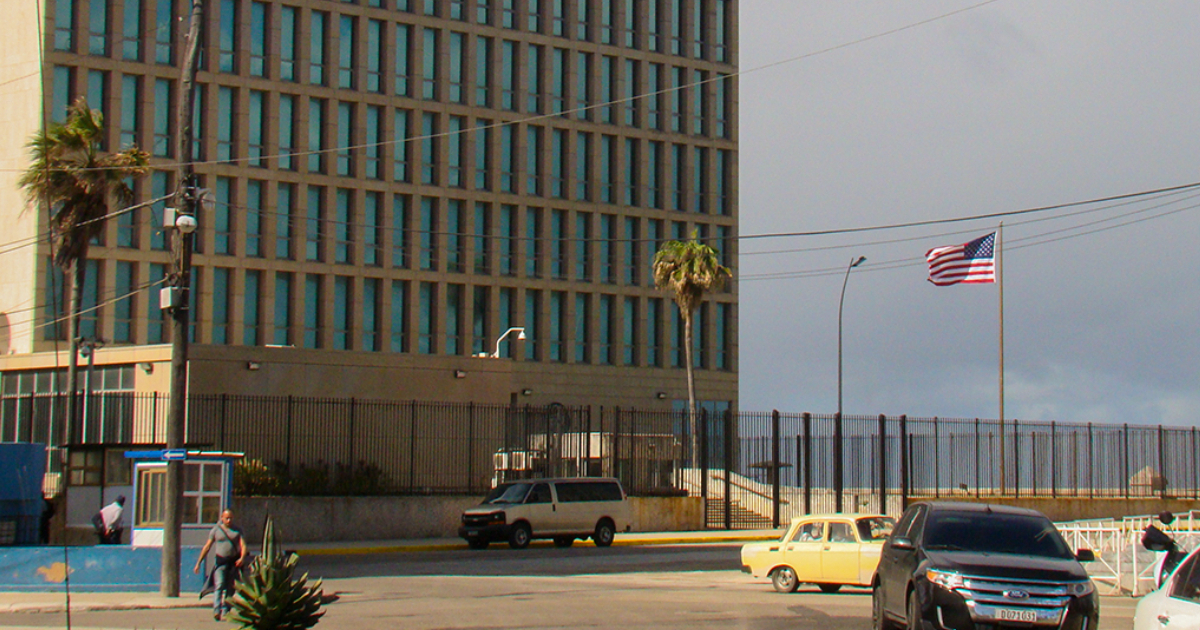
The Cuban regime has turned down a request by the United States Embassy in Havana to bring in fuel for its generators amid the severe energy crisis plaguing the island.
According to diplomatic cables reviewed by The Washington Post, this refusal might compel the embassy to withdraw some non-essential staff as early as May or potentially even sooner.
The embassy, located on Havana's iconic Malecón, has relied on generators to cope with the frequent power outages over the past year and a half.
Denied Fuel Import Request
The diplomatic mission sought approval to import two containers of fuel from the United States. Initially, the Cuban Ministry of Foreign Affairs deemed the request "bold," without explicitly stating it would block the shipment.
Nevertheless, when the fuel shipment arrived at the Port of Mariel on Tuesday, the ministry informed the embassy that the request had been rejected.
Cuban Response to U.S. Policy
In a diplomatic memo cited by The Washington Post, the Cuban ministry accused Washington of aiming to inflict "maximum harm to the Cuban economy, the well-being of its people, and their standard of living."
Additionally, Havana criticized the U.S. mission's attempt to access a resource it claims is denied to the Cuban populace, labeling it as "brazen."
Adjustments at the Embassy
Due to the lack of fuel, embassy employees have been relocated to shared housing to conserve resources, with an increasing number of staff working remotely.
Previous reports indicated the embassy was operating with half its staff and limiting generator use in some residences to just four hours daily. Batteries, solar panels, and satellite phones were distributed to maintain basic operations.
Broader Impact on Diplomatic Missions
The crisis extends beyond the U.S. Embassy, affecting other diplomatic missions in Havana. These embassies face similar fuel shortages, leading some to cut hours, scale back operations, or switch to remote work.
This incident unfolds amid a severe energy decline in Cuba, marked by prolonged blackouts, disruptions in essential services, and escalating tensions between Washington and Havana, as reported by The Washington Post.
Impact of Fuel Crisis on U.S. Embassy in Cuba
Why did the Cuban government deny fuel to the U.S. Embassy?
The Cuban government accused the U.S. of attempting to cause harm to the Cuban economy and criticized the embassy's request for fuel as "brazen."
How is the U.S. Embassy coping with the fuel shortage?
The embassy has relocated staff to shared housing and increased remote work. They are also using batteries, solar panels, and satellite phones to sustain operations.
Are other embassies in Havana affected by the fuel shortage?
Yes, other embassies in Havana are also facing fuel shortages, causing them to reduce hours, cut back on operations, or shift to remote work.