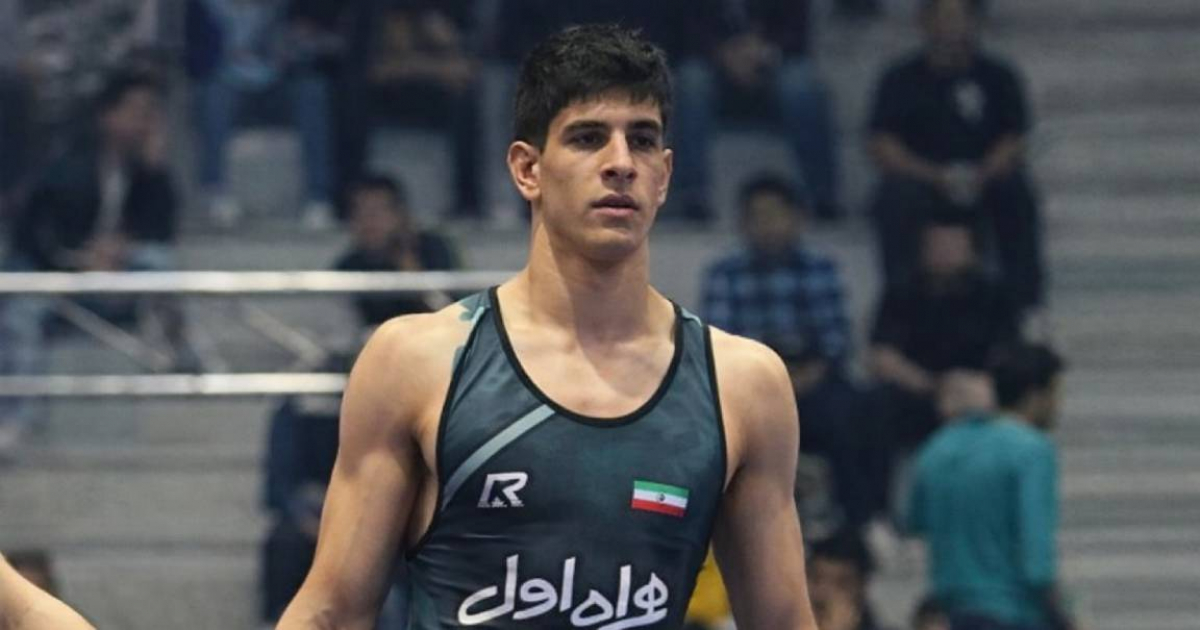
In a move that has drawn significant international criticism, the Iranian government has executed 19-year-old wrestler Saleh Mohammadi. This execution follows a judicial process that has been questioned by numerous global organizations and media outlets.
Mohammadi was sentenced to death for allegedly killing a security officer during protests in the city of Qom. The court claimed that Mohammadi was part of a group that threw Molotov cocktails at security forces in Nabutov Square.
On Thursday, Iranian authorities announced the execution of three individuals convicted for their supposed involvement in January protests, which reportedly resulted in the deaths of two security officers. The executed were identified as Mehdi Ghasemi, Saeid Davudi, and Mohammadi.
According to El País, the trio was sentenced for the crime of moharebeh or “enmity against God,” a legal charge often utilized by the regime to penalize alleged offenses against public security, Islam, or espionage.
Reports from Marca stated that Iranian officials held the young athlete accountable for the injury that led to the death of officer Mohammad Ghasemi Homapour, who fell from his motorcycle during the unrest.
The prosecution primarily relied on "confessions obtained during interrogation." However, Mohammadi denied the murder charge, asserting that the confessions were coerced—a practice frequently highlighted in critiques of Iran's judicial system.
Coaches, team members, and fellow wrestlers have testified that Saleh Mohammadi was unarmed and that his face does not appear in the security camera footage from the scene. Family members argue that Mohammadi was at an uncle's house when the incident occurred.
The case has sparked a wave of international condemnation. The United States Department of State has accused the Iranian regime of “slaughtering young people and destroying the country’s future,” and has urged a halt to the executions of individuals exercising fundamental rights.
Former wrestler Sardar Pashaei has warned that in less than ten days, over 30 athletes have been shot dead in Iran. Among the victims are minors, national champions, and coaches, with others either missing or imprisoned.
The execution of Saleh Mohammadi underscores ongoing reports of systematic repression against young people and athletes amid the country's political turmoil.
Key Questions About Iran's Judicial Actions
What was Saleh Mohammadi accused of?
Saleh Mohammadi was accused of killing a security officer during protests in Qom, based on confessions allegedly obtained under duress.
What is moharebeh, and how is it used?
Moharebeh is a charge of “enmity against God” used by the Iranian regime to punish supposed threats to public security, Islam, or for alleged espionage.
How has the international community reacted to Mohammadi's execution?
There has been strong international condemnation, with the U.S. State Department criticizing Iran for executing young people and urging an end to such practices.