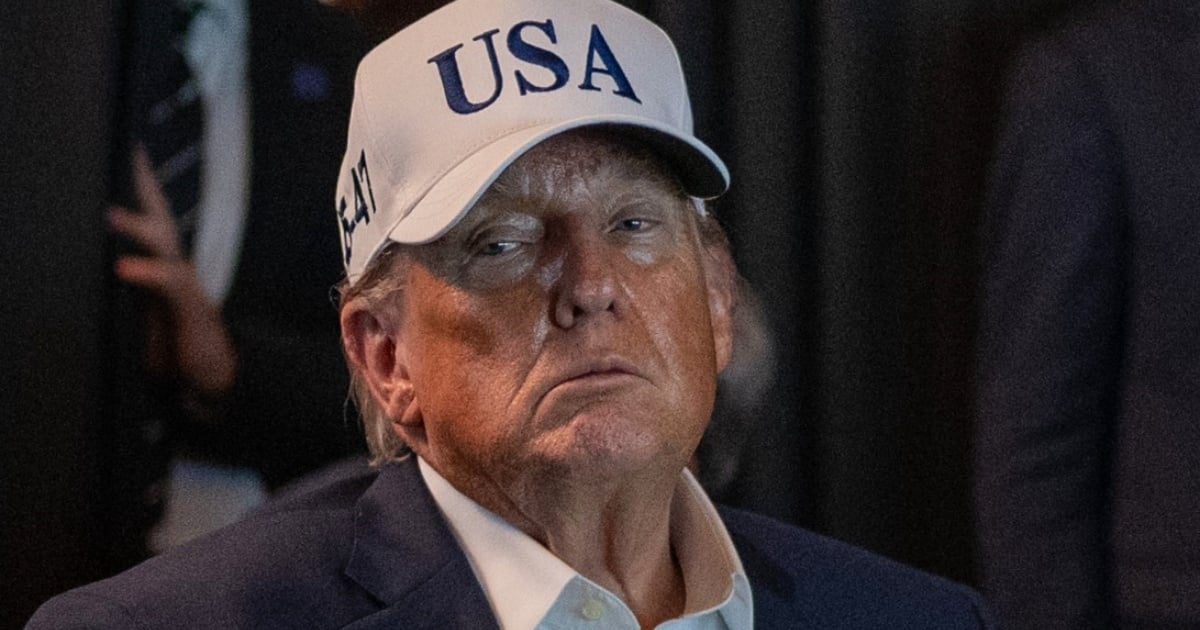
Steve Forbes, editor of Forbes magazine, has emphasized that U.S. President Donald Trump holds a significant opportunity to escalate pressure on the Cuban regime, potentially instigating political transformations on the island.
"Trump's Strategic Moment to Push for Genuine Change in Cuba," Forbes wrote, suggesting that all options should remain available, including economic measures and political pressure tactics.
In his assessment, the businessman and analyst proposed that actions such as curtailing the Cuban government's revenue, supporting the populace, and not ruling out more decisive scenarios could weaken the current system.
This proposition comes at a time when Washington has intensified its pressure on Havana, while the island grapples with a severe energy crisis, widespread blackouts, and social unrest.
In an article for the Washington Examiner, Forbes notes that the Cuban regime is enduring one of its most challenging periods in decades, marked by protests in numerous cities and rapidly deteriorating living conditions.
The text highlights recent events, such as demonstrations in places like Morón, fires at Communist Party headquarters, and frequent collapses of the national electricity system.
It also recalls that Miguel Díaz-Canel himself acknowledged having talks with the United States after months without a stable fuel supply, despite humanitarian aid and oil shipments from allies Russia and Mexico.
According to the analysis, the Cuban government has weathered past crises—like the fall of the Soviet Union or the July 11, 2021 protests—but now faces an especially precarious situation without strong partners like Venezuela.
In this context, it is suggested that increased international pressure, combined with rising internal discontent, could pave the way for political changes on the island.
Forbes' comments join a chorus of voices in the United States advocating for a tougher stance on the Cuban regime amidst ongoing negotiations, economic turmoil, and escalating social tension within the country.
Understanding the Current Situation in Cuba
What challenges is Cuba currently facing?
Cuba is currently experiencing a severe energy crisis, frequent blackouts, and widespread social unrest due to deteriorating living conditions.
How has the Cuban government responded to the crisis?
The Cuban government has acknowledged talks with the United States and has received humanitarian aid and oil from allies like Russia and Mexico to cope with the crisis.
What role can international pressure play in Cuba's political landscape?
Increased international pressure, along with internal discontent, could potentially lead to political changes in Cuba by weakening the current regime.