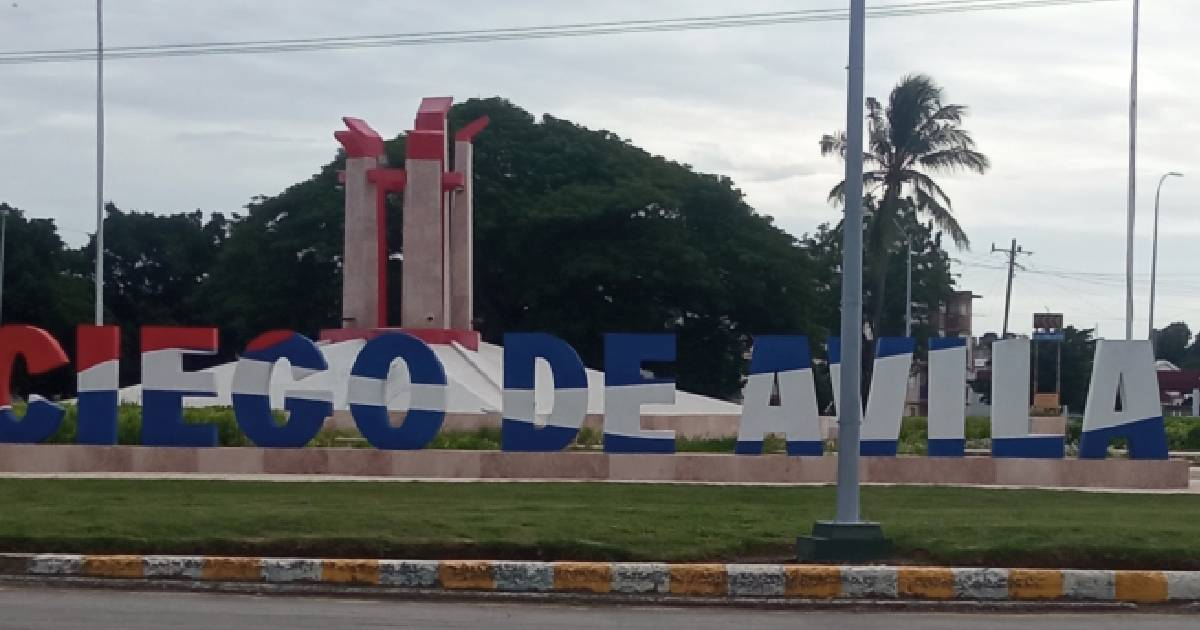
The province of Ciego de Ávila has been enduring an almost total blackout since Monday, March 16, despite the restoration of the National Electric System (SEN), which remains highly vulnerable.
As reported by the newspaper Invasor, authorities from the Provincial Electric Company indicate that the area is in a state of "maximum blackout," meaning that only hospitals and key water pumping stations are receiving electricity.
Carlos Arencibia Fernández, the technical director of the company, stated that under these circumstances, it is virtually impossible to establish a stable rotation of service among the province's 77 electrical circuits, leading to significant public protests.
Even with the SEN's reconnection, residents are dealing with prolonged outages exceeding 30 hours, further worsening their living conditions.
The lack of power disrupts essential activities such as cooking, preserving food, accessing clean water, and charging electronic devices.
This energy crisis is also impacting the local economy. Authorities report that facilities like dairy plants are no longer prioritized, resulting in substantial production losses.
Moreover, the Ciro Redondo bioelectric plant remains offline, and the use of solar photovoltaic parks has been restricted to prevent additional system instability.
According to the Electric Union (UNE), a deficit of 1,834 MW is projected for peak hours this Wednesday, due to breakdowns and maintenance in several of the country's thermoelectric plants.
This scenario occurs following the second collapse of the SEN this month, with total restoration not achieved until the afternoon of Tuesday, March 17.
The ongoing blackout in Ciego de Ávila underscores the severe crisis within Cuba's electrical system, which continues to cause major disruptions in daily life and economic activities across the nation.
Understanding the Electrical Crisis in Ciego de Ávila
Why is Ciego de Ávila experiencing such prolonged blackouts?
Ciego de Ávila is undergoing extensive blackouts due to the fragile state of the National Electric System (SEN) and maintenance issues in various thermoelectric plants, leading to a significant power deficit.
What measures are being taken to address the power shortages?
Efforts are focused on stabilizing the power supply by prioritizing essential services like hospitals and water pumping stations, though full restoration remains challenging due to system vulnerabilities.
How are residents coping with the lack of electricity?
Residents are facing difficulties with basic tasks such as cooking, preserving food, and accessing clean water, leading to protests and heightened frustration among the population.