Amid the early hours of Tuesday morning, a group of young Cubans staged a bold pot-banging protest during a blackout in Central Havana, defiantly ignoring the presence of police monitoring the area.
The event took place on Monday at the intersection of Salud and Belascoaín streets. Residents seized the opportunity presented by the darkness of the power outage to bang pots and pans, voicing their dissatisfaction with the current conditions.
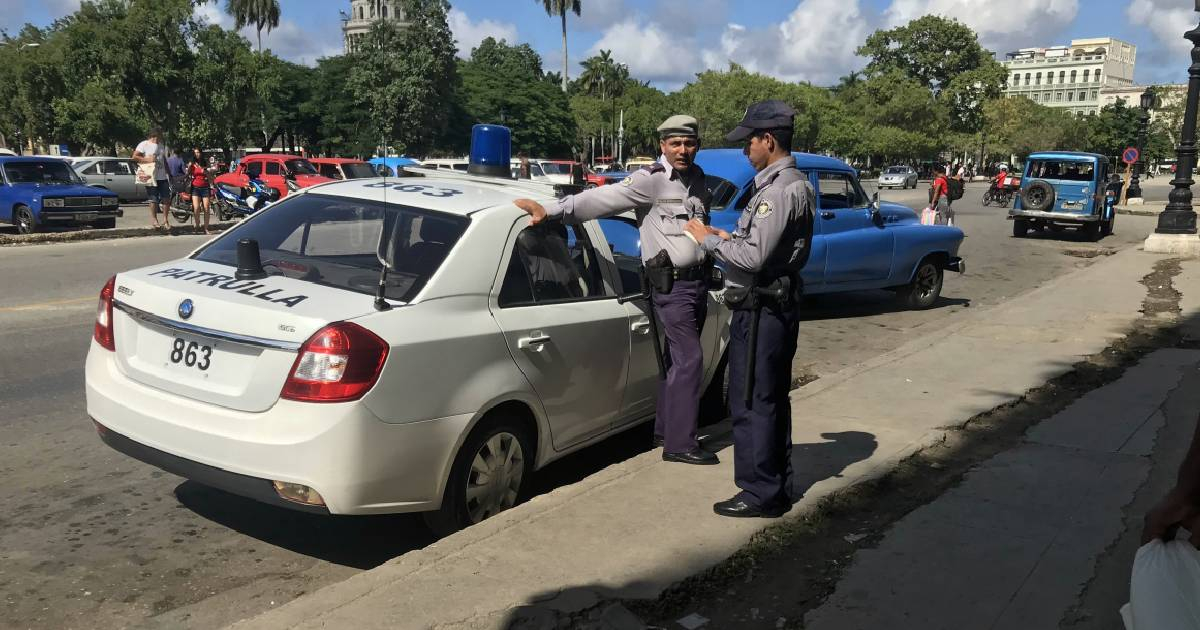
As shown in footage shared by Cubanet, participants engaged in the protest while officers from the National Revolutionary Police (PNR) stood on the sidewalks, choosing not to intervene.
Social media users highlighted that the young participants utilized the lack of lighting to outsmart the police surveillance. This act of defiance occurs in an environment where protests are typically swiftly suppressed by the authorities.
The incident unfolds amid ongoing power outages, food shortages, and a severe economic crisis, all of which have heightened expressions of discontent in various parts of the country.
In recent months, pot-banging has emerged as a frequent form of protest in Cuba. Just three days ago, numerous Cubans took to the streets, even setting fire to the furniture of the Communist Party headquarters in Morón, Ciego de Ávila.
Understanding the Recent Cuban Protests
What sparked the recent pot-banging protest in Havana?
The protest was sparked by a power outage in Central Havana, which the residents used as an opportunity to express their dissatisfaction with the ongoing crises in Cuba.
How did the police react to the protest?
The police remained on the sidelines during the protest, choosing not to directly intervene despite the protestors' actions.
Why have pot-banging protests become common in Cuba?
Pot-banging protests have become a common form of expression against the severe economic crisis, frequent power outages, and food shortages affecting the country.