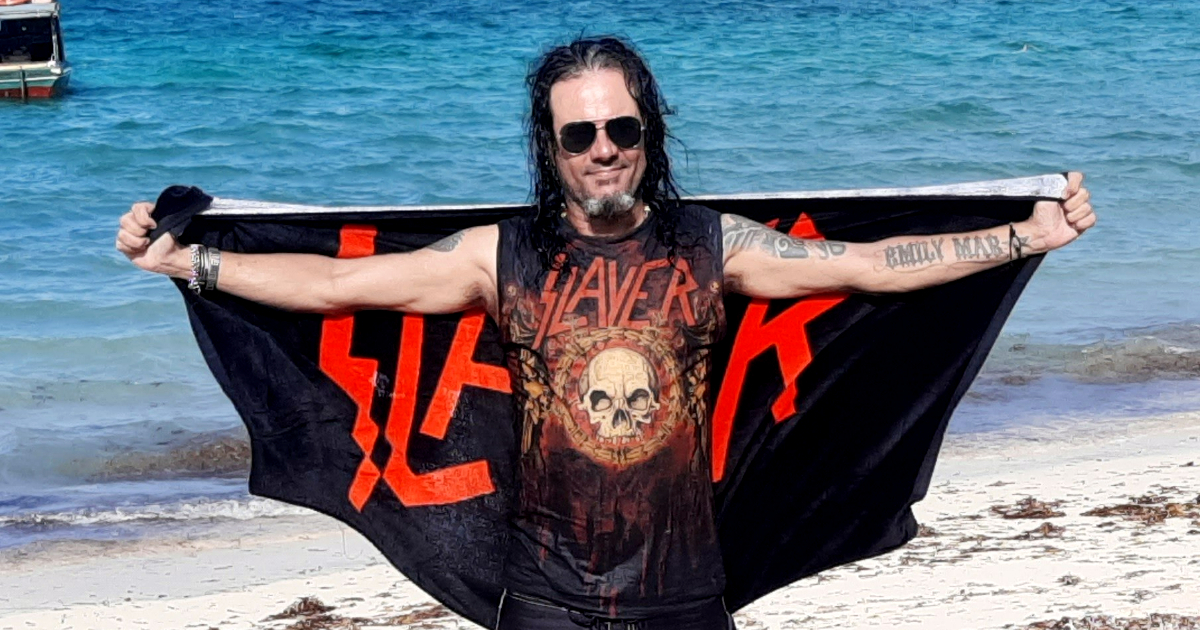
Ewald Nieves Manduley, a veteran communicator with nearly 23 years of service at the Municipal Cultural Sector of Guáimaro in Camagüey, was terminated in early March. His dismissal was a direct response to a Facebook post where he criticized how Fidel Castro and the Cuban Revolution exploited the legacy of José Martí.
Although the post was shared on his personal profile and not through any official channels, it struck a particularly sensitive chord with the regime by challenging their historical narrative using Martí's ideology as a foundation. The reaction from the authorities was swift and meticulously coordinated at the provincial level.
According to a report by Cubalex, the provincial director of Culture in Camagüey, Kenny Ortigas Guerrero, held a meeting at the local Communist Party headquarters in Guáimaro. Present were the Intendant Norge Suárez Tamayo, a State Security officer known as Frank "El Niño," and other officials, to plan the actions against Nieves Manduley prior to his formal dismissal.
The Broader Pattern of Dismissals
This incident is not isolated. In March 2026, the public was similarly outraged when a CUJAE professor was dismissed for his Facebook posts, sparking student protests and condemnation from notable Cuban cultural figures.
Retaliatory dismissals for social media expressions are a widespread method of political control in Cuba. Decree-Law 370 has been criticized by Human Rights Watch as a tool that severely restricts internet freedom of expression by penalizing personal digital opinions.
Historical Context of Repression
Such retaliations date back to at least 2021 when a university professor was fired for expressing ideological views on Facebook. Additionally, Cuban actor Edel Carrero lost his job following the 11J protests.
The overall situation of repression in Cuba is deeply concerning. According to Cubalex's semi-annual report on repression and human rights, over 1,273 violations were recorded in the latter half of 2025, highlighting an ongoing escalation of state actions against dissenting citizens.
Employment as a Political Tool
The case of Nieves Manduley exemplifies how the Cuban regime uses state employment as a means of political discipline. Those who voice opinions outside the official narrative, even on personal platforms, risk losing their lifelong careers overnight.
The regime has also punished citizens for protesting during power outages, further establishing a pattern of criminalizing any form of public protest or dissent.
Understanding Cuba's Political Repression
What led to Ewald Nieves Manduley's dismissal?
Ewald Nieves Manduley was dismissed following a Facebook post where he criticized the manipulation of José Martí's legacy by Fidel Castro and the Cuban Revolution.
How does Decree-Law 370 affect freedom of expression in Cuba?
Decree-Law 370 has been identified by Human Rights Watch as a measure that curtails internet freedom of expression by penalizing personal digital opinions.
What are some historical examples of similar repressive actions in Cuba?
Past examples include the dismissal of a university professor in 2021 for ideological expressions on Facebook and the firing of actor Edel Carrero following the 11J protests.