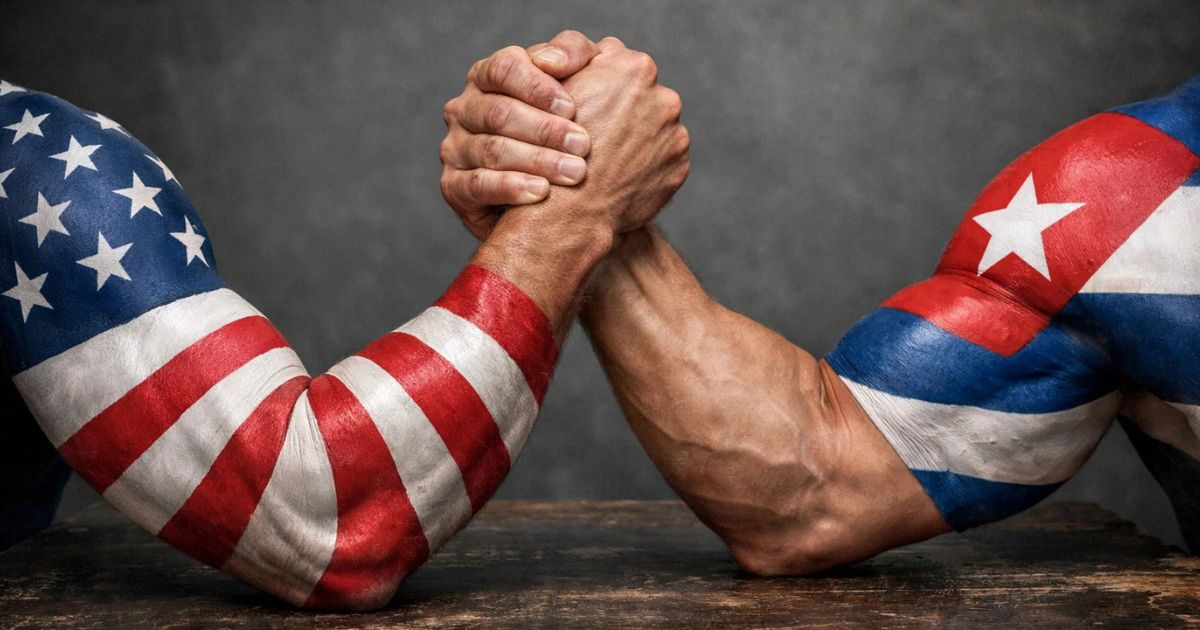
After more than a decade since the historic rapprochement initiated by former President Barack Obama in 2014, the United States and Cuba are once again engaging in dialogue. This development has reignited discussions about the potential for a renewed thaw in relations between the two nations.
According to an article from the Spanish newspaper El País, the current political climate has reopened channels for talks between Washington and Havana. This comes after years of strained relations and a freeze in diplomatic progress during Donald Trump's first term in office.
The report highlights that Secretary of State Marco Rubio recently made headlines by stating that Cuba's primary issue lies within its economy.
Echoes of the Past: Obama's Legacy
These recent developments bear some resemblance to the Obama administration's strategy, which focused on economic engagement and strengthening Cuba's private sector. During that period, the U.S. eased restrictions on travel, remittances, and financial transactions with the island, while Cuba released 53 prisoners and expanded internet access.
However, the Cuban government failed to capitalize on this opportunity, with limited progress in human rights and political openness.
Trump's Reversal and Current Expectations
The rapprochement was short-lived. In 2017, Trump announced an end to the process begun by Obama, reinstating stricter policies towards Havana.
Now, as reported by El País, the emerging dialogue has sparked both hope and skepticism within the Cuban community, both on the island and among exiles. Some argue that any negotiations should address the release of political prisoners and tangible human rights progress, while others fear the regime might receive concessions without implementing significant political reforms.
Challenges and Opportunities in a New Era
Experts cited by the newspaper note that today's context is very different from 2014. Cuba is grappling with a severe economic crisis, characterized by shortages, inflation, and a mass migration exodus in recent years.
In this scenario, some analysts suggest that Washington might be pursuing a more pragmatic approach to encourage changes in Cuba without triggering a humanitarian crisis or a new wave of migration to the U.S.
Meanwhile, Cuban opposition groups emphasize the need for any negotiation process to involve civil society and aim for democratic transition. "The change must be led by Cubans," stated Manuel Cuesta Morúa, an opposition leader and president of the Council for Transition in Cuba, as reported by El País, emphasizing the role citizens should play in any transformative process.
Key Questions on U.S.-Cuba Relations
What triggered the renewed dialogue between the U.S. and Cuba?
The current political context and a shift in U.S. administration attitude have reopened dialogue channels between Washington and Havana after years of tension.
How does the current situation differ from the Obama era?
Today's context is marked by a severe economic crisis in Cuba, with shortages and inflation, and differs significantly from 2014, when the focus was on economic engagement and private sector growth.
What are the expectations for the new U.S.-Cuba talks?
There are hopes and doubts about these talks, with some advocating for political reforms and the release of prisoners, while others fear Cuba may receive concessions without making significant changes.