The plight of Cuba is not solely reflected in its frequent power outages or bleak economic statistics. For countless Cubans, the country's decline is a deeply personal matter, marked by feelings of helplessness, illness, and separation from loved ones.
This was the reality for Yaima Viñals, a Cuban woman residing in Spain, who returned to her homeland to care for her father after he suffered a hip fracture, only to be confronted with a healthcare system unable to provide the necessary treatment.
"They couldn't operate on him because the hospitals lacked resources," recounted Viñals, who lives in Burgos, in an account shared by the Spanish outlet Burgos Conecta.
Viñals traveled to Cuba from April to September to support her father, but what she encountered left a profound impact. She gathered as much as she could in Spain—medical supplies, surgical instruments, and medications. However, even her efforts were insufficient to secure the surgery her father required.
Severe Health System Deterioration
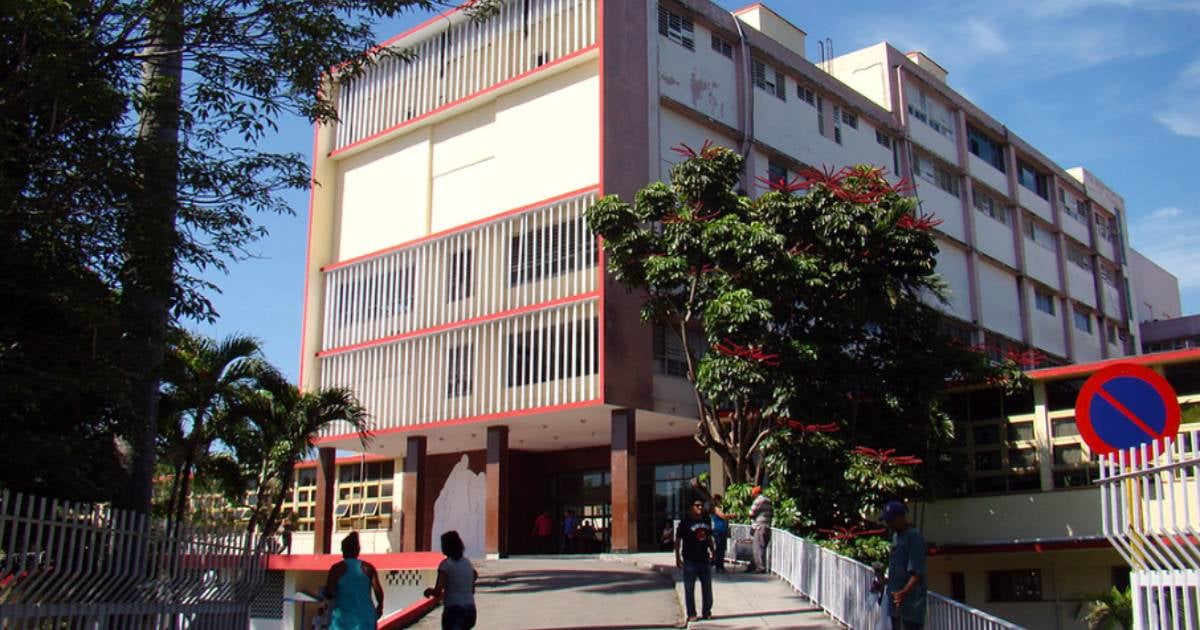
According to her account, the Cuban healthcare system is in severe decline. "Hospitals are no longer hospitals; they resemble more of a sewer system. There are no medications," she lamented.
The healthcare crisis is compounded by an energy crisis. During her stay, Viñals experienced prolonged blackouts that halted daily life. "There are power outages lasting more than two consecutive days, with no schedule for when the electricity will be restored," she explained.
Economic Strain on Cuban Families
The lack of electricity impacts everything from medical services to commercial activities and electronic payment systems, all within an economy moving towards partial dollarization, which many deem unfeasible.
Economic hardships also burden families. Viñals noted that her parents' monthly pension is between 2,500 and 3,000 Cuban pesos, translating to just a few euros in the informal market. "It’s only enough to buy a bottle of oil, nothing more," she said.
Under these circumstances, remittances from relatives abroad have become a lifeline for thousands of households. Viñals herself sends money and purchases food from Spain to help her parents survive.
"Cuba's economy relies heavily on remittances from family members living abroad," she asserted, highlighting how many expatriates support both their lives overseas and the basic needs of their families on the island.
The Struggle to Reunite Families
Viñals also attempted to bring her parents to Spain, taking advantage of her Spanish citizenship, but the process proved frustrating. She explained that her mother's visa was denied after a lengthy bureaucratic ordeal requiring complex procedures and trips to Havana.
Despite having rebuilt her life in Burgos, she admits to constantly thinking of the island. Every month, she sends money to help her parents buy food and medications.
"There's not a day, not a month, that I don’t send something to Cuba," she declared.
Viñals' story, shared by Burgos Conecta, encapsulates the daily struggles of many Cubans with a poignant statement: numerous Cubans left to support their families and prevent them from starving. Yet, as she acknowledges, "it's not easy."
Cuban Healthcare and Economic Challenges: Common Questions
What are the main issues with the Cuban healthcare system?
The Cuban healthcare system suffers from a lack of resources, including essential medications and medical supplies, leading to inadequate patient care.
How do power outages affect daily life in Cuba?
Prolonged power outages disrupt daily life, impacting medical services, commercial activities, and electronic payment systems.
Why are remittances important to Cuban families?
Remittances are crucial because they provide financial support for families, helping them purchase food, medications, and other basic necessities.