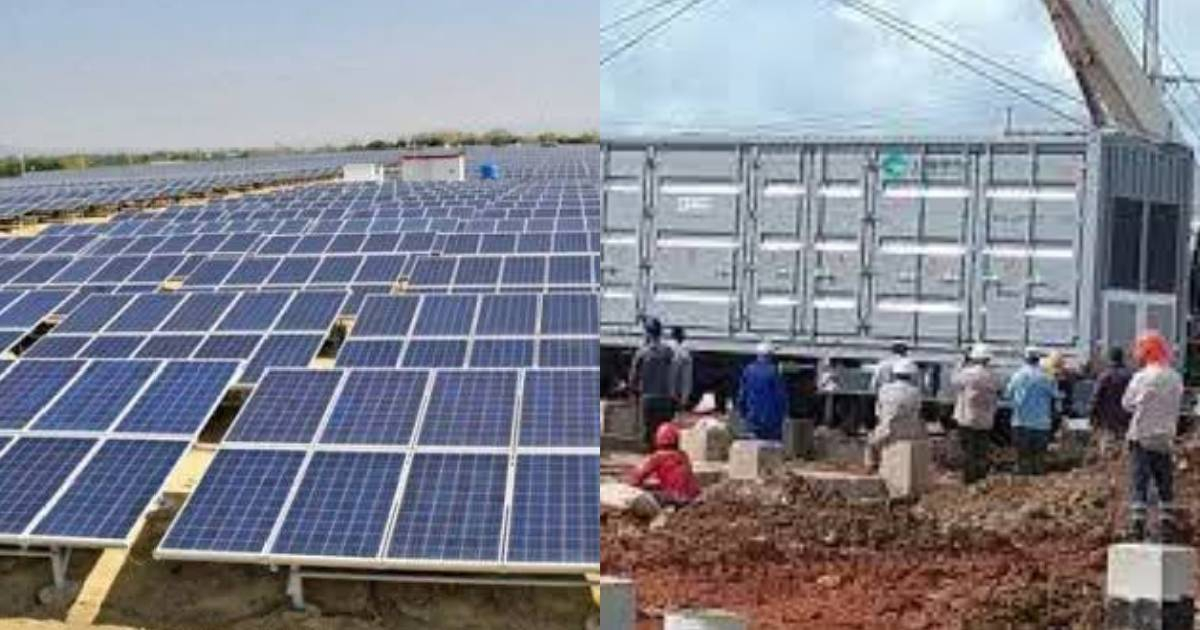
The Electric Union (UNE) commenced testing this Saturday of its inaugural energy storage system, utilizing batteries installed at the Cotorro municipality's electrical substation in Havana.
This system is part of a broader initiative that includes four energy storage facilities across Cuba, each contributing to a combined capacity of 200 megawatts (MW). These facilities aim to stabilize the electrical grid and minimize automatic frequency disconnections in the National Electric System (SEN), as reported by state journalist José Miguel Solís on Facebook.
Each Battery Energy Storage System (BESS) will feature a storage capacity of 50 MW. These systems are designed to store excess energy and release it when needed, particularly during periods of demand fluctuation or supply deficits.
Solís elaborated that the BESS units are equipped to manage the primary frequency of the electric system, swiftly adjusting to variations by either injecting or absorbing energy to prevent the kind of oscillations that could lead to blackouts or damage to power plants.
This technology will also enhance the efficiency of solar energy utilization by storing surplus production from solar farms during daylight hours and discharging it during peak demand or when renewable generation dips.
The report indicates that for every 1,000 MW of electricity generated by photovoltaic parks, at least 100 MW of regulation through batteries is essential to ensure grid stability.
Authorities anticipate that these systems will facilitate a more robust integration of solar power into the electrical grid, especially in capital city districts such as Guanabacoa, Cotorro, and Boyeros. In Holguín province, described as an "advanced laboratory" for this technology, batteries will store excess solar energy to be released when required.
Nevertheless, the report acknowledges that these investments do not instantly resolve the country's electricity generation shortfall. However, they may help mitigate the risk of complete system failures and lessen the impact of widespread blackouts by stabilizing grid frequency.
The rollout of these storage systems began in August 2025, covering four electrical substations: Cueto 220, Bayamo 220, Cotorro 220, and Havana 220.
This deployment of battery systems occurs amidst one of Cuba's most severe energy crises in recent years. Recent generation deficits have exceeded 1,800 MW, necessitating extended power outages across much of the nation. This crisis was compounded by a new SEN collapse on Wednesday, following a boiler failure at the Antonio Guiteras thermoelectric plant in Matanzas.
These prolonged outages have sparked nighttime protests in several Havana neighborhoods over the last two days. Residents in areas like Marianao and Arroyo Naranjo took to the streets, lighting fires and banging pots to voice their frustration over power cuts that have lasted much of the day and night.
According to the latest UNE forecast, national demand during peak hours on Sunday night could reach 3,050 MW against an estimated availability of 1,195 MW, leaving a deficit close to 1,855 MW.
The crisis stems from various structural issues, including the deterioration of thermoelectric plants, inadequate maintenance of power stations, and fuel shortages that constrain the country's electricity production capacity.
In response, the government is pushing to expedite the installation of solar parks and related technologies, such as battery systems, with the goal of partially stabilizing the SEN.
Key Questions About Cuba's Energy Storage Initiatives
What is the purpose of the Battery Energy Storage Systems in Cuba?
The Battery Energy Storage Systems (BESS) in Cuba are designed to stabilize the electrical grid, reduce automatic frequency disconnections, and efficiently utilize solar energy by storing excess production and releasing it during peak demand or when renewable generation is low.
How will these systems impact the ongoing energy crisis in Cuba?
While the battery systems will not immediately resolve Cuba's energy generation deficit, they are expected to help reduce the risk of total system failures and diminish the impact of widespread blackouts by stabilizing the frequency of the grid.
What are the main challenges facing Cuba's electrical system?
Cuba's electrical system faces challenges such as the deterioration of thermoelectric plants, insufficient maintenance, and fuel shortages, all of which limit the country's electricity production capacity.