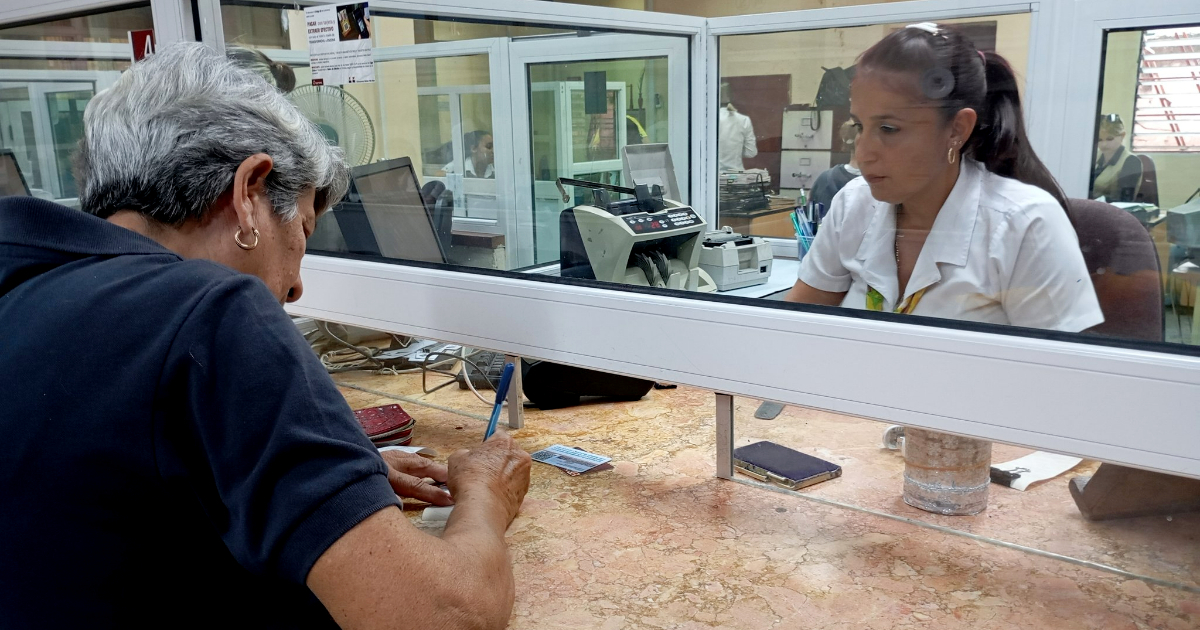
The Central Bank of Cuba (BCC) has been steadily increasing its official rates in what it labels as Segment III of the foreign exchange market. This mechanism, introduced by the government, is touted as a more flexible or "floating" rate to align the official value of the Cuban peso with actual market conditions.
As per the data available on March 7, 2026, the BCC set the exchange rate at 471 CUP for the U.S. dollar and 544.85 CUP for the euro within this segment. Nevertheless, the informal market continues to dictate higher rates, with the dollar trading at approximately 510 CUP and the euro at 575 CUP, according to daily monitoring by the independent outlet elTOQUE.
The Central Bank's own charts indicate that these official rates have experienced a gradual increase over the past month. For instance, the Segment III exchange rate for the dollar was around 455 CUP at the beginning of February and has climbed through several adjustments to the current 471 CUP, marking a rise of about 16 pesos in one month.
Similarly, the euro's rate has displayed a comparable pattern, albeit with greater volatility. Starting February at roughly 538 CUP, it experienced several fluctuations throughout the month, reaching nearly 551 CUP by the end of February, before stabilizing around 544-545 CUP in early March.
These trends suggest that Segment III operates as a semi-floating rate in practice, with periodic adjustments aiming to bring the official value of the Cuban peso closer to the informal market rate.
Despite these adjustments, a significant gap remains between the two markets. Currently, the informal market's dollar value exceeds the official rate by about 39 pesos, while the euro shows a difference of around 30 pesos.
The persistence of this disparity highlights structural issues within the Cuban economy, including the scarcity of foreign currency in the state banking system and the high demand for hard currency among the population.
Until these economic conditions improve, the informal market will likely continue to serve as the primary reference for the real value of the Cuban peso.
Understanding Cuba's Dual Exchange Rates
Why does the informal market have higher exchange rates than the official rates?
The informal market rates are higher due to a stronger demand for foreign currency and the limited availability of such currency within the state banking system. This scarcity drives the value of foreign currency up in the informal market.
What is Segment III in Cuba's foreign exchange market?
Segment III is a mechanism introduced by the Central Bank of Cuba aiming to provide a more flexible exchange rate for the Cuban peso, intended to better reflect the real market conditions compared to the official fixed rates.