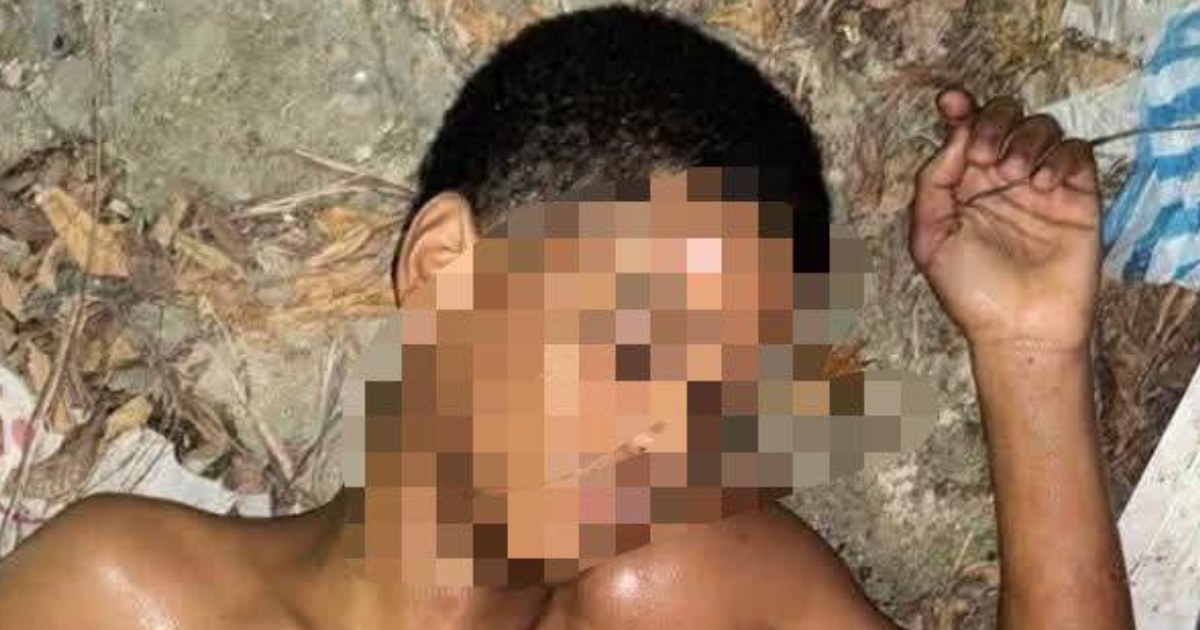
In the city of Santiago de Cuba, a 16-year-old was subjected to a severe beating after being accused of theft, igniting a heated debate about the boundaries of vigilante actions against crime.
Activist Idelisa Diasniurka Salcedo Verdecia took to Facebook to express her outrage: "A mere child of 16 was savagely beaten in Santiago de Cuba for allegedly stealing. Regardless of the circumstances, violence against minors is indefensible."
Diasniurka emphasized that violent reactions towards youths in dire situations should never be the answer. She stated, "Teenagers require protection, guidance, and justice, not physical abuse or public shaming," highlighting the necessity of treating minors with care, even if they have acted wrongly.
She further pointed out that such incidents reflect a deeper societal crisis: "This is yet another sign of Cuba's social collapse, where the most vulnerable, our children and young people, bear the brunt of the consequences."
Violence as a Symptom of Social Collapse
She underscored the availability of alternatives for discipline that do not involve brutality, reminding that violence should never become a normalized tool.
In Cuba, individuals reach adulthood at 18, but are held criminally accountable starting at 16. The assault on this young boy occurs amidst a backdrop of escalating insecurity, where communities, frustrated by governmental inaction, resort to vigilantism.
Numerous reports from various regions describe individuals being tied up or publicly humiliated after being accused of theft, highlighting a widespread lack of faith in the police's ability to safeguard citizens and ensure their safety.
The economic crisis, characterized by food shortages, prolonged power outages, and inadequate wages, is a major driver of rising crime rates. Residents report that the streets have become hostile, with frequent thefts and assaults, while the police seem more focused on monitoring dissenters and journalists than on protecting the public.
Community Responses and the Cycle of Violence
Experts argue that the violence directed towards suspected offenders is indicative of the state's failure to provide basic security. Citizens, lacking confidence in institutions, choose to defend themselves collectively, even if it involves illegal or violent measures, perpetuating a cycle of fear and retribution.
Incidents like the beating of the teenager reveal a troubling trend: makeshift justice has become a common resource for those who feel their rights and property are unprotected.
Resource scarcity and social pressure have turned violence into a means of conflict resolution. Diasniurka stressed the importance of non-violent disciplinary methods and called for minors to receive guidance and opportunities, not humiliation or corporal punishment.
Her denunciation highlights how Cuba's economic and social crises directly impact minors, who are most susceptible to violence and insecurity. The activist insisted that protecting children should be paramount and that violence is never justifiable, regardless of the circumstances.
Understanding the Context of Vigilante Justice in Cuba
What led to the rise of vigilante justice in Cuba?
The rise in vigilante justice in Cuba is largely due to the perceived inaction of authorities in addressing crime, leading communities to take matters into their own hands.
How does the economic crisis in Cuba contribute to crime?
The economic crisis, marked by shortages and inadequate wages, has increased desperation, leading to higher crime rates as people struggle to meet basic needs.
What alternatives to violence does Diasniurka propose for handling juvenile delinquency?
Diasniurka suggests using guidance, education, and opportunities for minors instead of resorting to violence or public shaming.