The cost of Brent crude oil surged past $80 per barrel in early March, driven by disruptions in the Strait of Hormuz following military actions by the United States and Israel against Iran, dubbed "Operation Epic Fury," according to reports from AP News and The Economic Times.
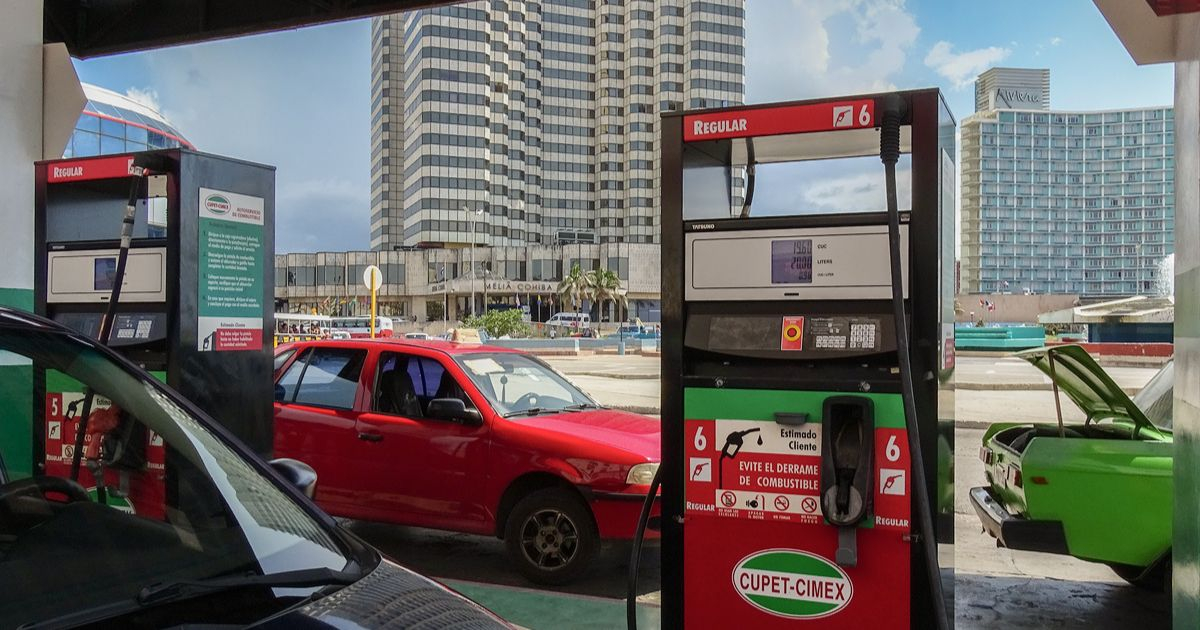
For Cuba, already enduring its most severe energy crisis in decades with fuel reserves lasting only 15 to 20 days, the rising oil prices on global markets further tighten the noose around an island nation that receives a mere fraction of the fuel needed to keep running.
The Strait of Hormuz, a critical passageway for about 20% of the world's oil supply—approximately 16.7 million barrels per day by 2025—has become the focal point of a global energy crisis. Although Iran hasn't officially closed the strait, the Revolutionary Guard has attacked tankers and warned shipping companies and oil firms to steer clear, heightening fears of further price hikes.
The repercussions for Cuba are dire, as the nation risks running out of oil in less than a month. The skyrocketing cost of crude on the international stage makes it nearly impossible for the regime to secure additional fuel, given Cuba's inability to fund its own energy needs following the collapse of its subsidy system.
The situation is further compounded by the blockade of alternative supplies. Russia, which was considering a potential oil shipment to the island, faces its own challenges, and a Russian oil tanker bound for Cuba was detained in the Atlantic. Simultaneously, the United States has begun confiscating a Venezuelan oil tanker headed for the island.
Cuba's electrical deficit is nearing 1,800 megawatts, highlighting the collapse of the national power grid. This crisis extends its impact across the economy: the fuel shortage threatens 96% of small and medium-sized enterprises, while tourism—a rare source of foreign currency for the regime—saw 24,000 fewer visitors in January compared to the previous year.
The reliance on Venezuela as a historical supplier of subsidized oil has also been jeopardized. Analysts suggest that the Cuban regime resold much of the imported oil to finance its repressive mechanisms, a practice that now backfires amid a global scarcity. With tensions in the Strait of Hormuz and global energy markets on high alert, Cuba faces a bleak outlook with no immediate solutions in sight.
Key Questions on Cuba's Energy Crisis
How has the situation in the Strait of Hormuz affected Cuba's energy supply?
The disruptions in the Strait of Hormuz have led to increased oil prices, making it extremely challenging for Cuba to obtain the necessary fuel to sustain its energy needs.
Why is Cuba unable to secure additional fuel resources?
Cuba struggles to secure more fuel due to the soaring prices and its financial incapacity to purchase oil without the support of its collapsed subsidy system.
What are the broader economic impacts of Cuba's energy crisis?
The energy crisis threatens the viability of small and medium-sized enterprises and has led to a decrease in tourism, significantly affecting the nation's economy.