In a significant policy shift, the Cuban government has officially sanctioned non-state economic entities to establish and manage care homes for the elderly and individuals with disabilities, as outlined in Agreement 10249/2025 published in the Official Gazette (GOC-2026-211-O23).
The initiative, ratified by the Council of Ministers and signed by Prime Minister Manuel Marrero Cruz, is part of the broader framework of Decree 109 concerning the "National System for Comprehensive Life Care." This move acknowledges the rapidly aging population and the state's limited capacity to meet the increasing demand for care services.
For the first time, small and medium-sized enterprises (SMEs), cooperatives, and self-employed workers are permitted to provide care services to seniors and people with disabilities. The approved formats include day-care residences, permanent-care homes, and mixed residences offering both types of care.
Previously, these services were predominantly state-operated through senior centers, nursing homes, and specialized facilities. To engage in this activity, interested parties must obtain an endorsement from the Municipal Director General of Health, secure a sanitary license for the premises, complete mandatory caregiver training, and pay the training fee set by the Ministry of Public Health (MINSAP).
The Ministry will oversee the establishment of requirements, oversee training, grant licenses, and monitor the operational standards of these care homes. According to the agreement, operators must allocate at least 10% of their capacity to vulnerable community members.
In such scenarios, the existing state tariff for certified senior centers and nursing homes will apply. If the individual is unable to afford the service, Social Assistance will cover the cost, fully or partially, subject to an evaluation.
As an incentive, the government has decreed that if the service operates from a rented state facility, the operator will be exempt from rent payments for two years, with a possible extension to three years based on economic conditions. After this period, authorities will decide whether to charge rent or grant the facility under usufruct.
The agreement itself recognizes the "accelerated aging process of the Cuban population" and the pressing need to extend the reach of social care services beyond the state framework.
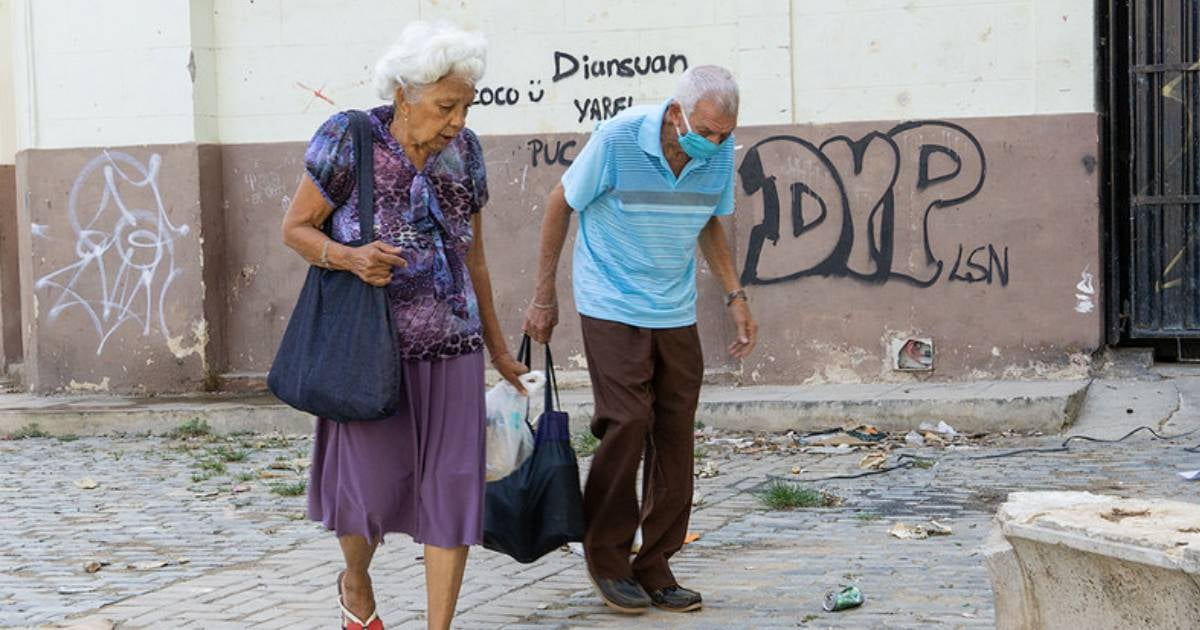
Cuba ranks among the most aged countries in Latin America, with a growing percentage of people over 60 years old and a continuous decline in the working-age population, straining family structures and public services.
This authorization does not denote a state withdrawal from the sector but rather a controlled opening amidst an acute crisis. The government maintains health oversight, imposes mandatory conditions—such as the social quota—and regulates pricing and fiscal incentives via the Ministries of Public Health and Finance and Prices.
The agreement will take effect 30 days following its publication in the Official Gazette, as noted in the announcement.
With this decision, the Cuban state formally acknowledges the necessity of private sector support to uphold the care system amid the demographic and economic crisis the country is facing, under extreme pressure.
Implications of Cuba's New Care Home Policy
What changes does the new policy bring to Cuba's care services?
The new policy allows private entities, such as SMEs, cooperatives, and self-employed workers, to establish and manage care homes for the elderly and disabled, expanding the previously state-dominated sector.
How will the Cuban government ensure quality in these private care homes?
The Ministry of Public Health will set requirements, oversee caregiver training, grant licenses, and monitor the functioning of these private care facilities to ensure quality standards are met.
Why is Cuba opening up care services to the private sector now?
Cuba is facing a rapidly aging population and a shrinking workforce, which has put significant pressure on state resources. The private sector's involvement is seen as essential to meeting the growing demand for care services.