The People's Assembly of the Playa municipality in Havana has unveiled a "new solid waste management project" aimed at transforming Cuba's capital into a "cleaner city." This ambitious plan involves investment from Portugal, a revamp of garbage collection procedures, and increased oversight of the population.
According to a statement shared on Facebook, the first stage of this initiative includes deploying all available trucks and containers in the city, introducing new washing equipment, and increasing the number of containers while assessing the frequency of collections in each area.
During this phase, household waste, plant clippings, and construction debris will be sorted, with special permits required for the latter. Each resident is expected to produce approximately 700 grams of waste daily.
Authorities emphasize that the project's success hinges on citizen involvement. Measures such as fines, stricter oversight, and the creation of a territorial ordinance outlining the responsibilities of both the population and businesses are highlighted. Schools are set to play a crucial role in educating about waste management and enhancing community monitoring.
Economically, the announcement promises a pay adjustment for communal workers, including additional incentives, while stressing that 50% of the office's annual expenses are allocated to fuel, necessitating efficient operations.
The project's second phase, concerning solid waste treatment, will only proceed if the initial phase is successfully implemented.
It is noted that all equipment, including new acquisitions, will remain state-owned.
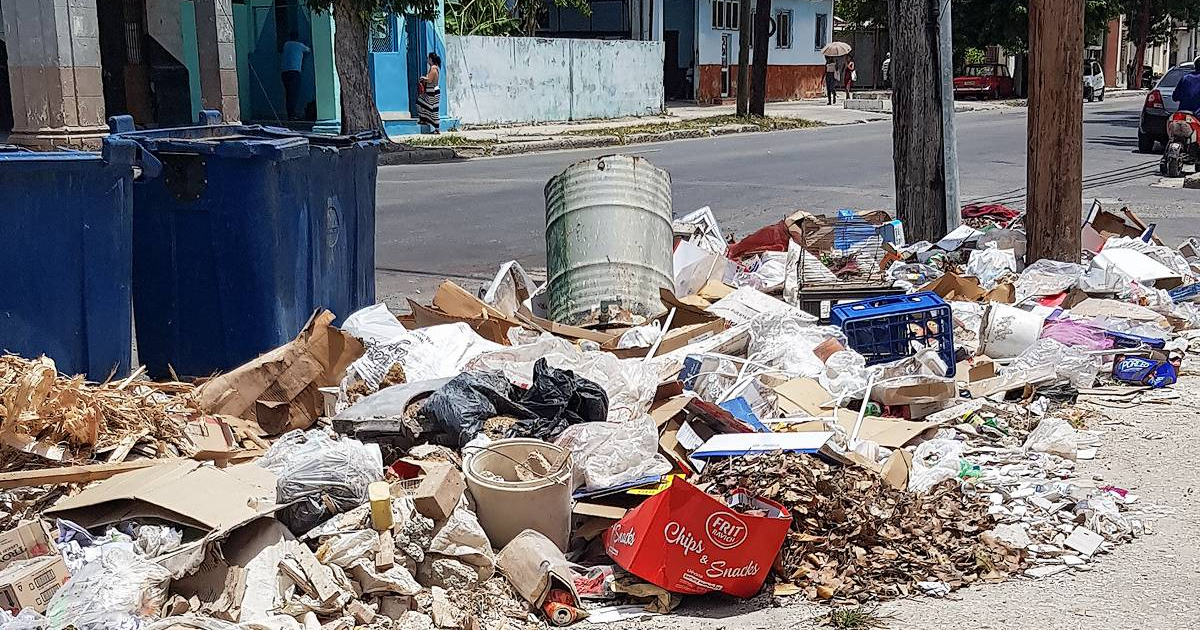
Havana is currently facing one of its most severe waste management crises in decades. Streets are littered with garbage that remains uncollected for days, accompanied by the stench of decomposition, and an increase in rodents and mosquitoes. Many residents have resorted to burning waste, which heightens health risks.
The shortage of fuel for garbage trucks has rendered much of the fleet inoperative, leaving the population to coexist with piles of waste in public areas for extended periods.
Faced with desperation, some have chosen to burn the trash, exposing themselves to severe health risks like smoke inhalation and the spread of respiratory diseases.
The optimistic tone of the People's Assembly contrasts sharply with the harsh reality. While the project is presented as an innovative solution, the waste crisis in Havana is a long-standing issue that has persisted for decades.
For years, various "solutions" and "alternatives" have been attempted without success, and the accumulation of waste continues to impact health, quality of life, and the urban landscape.
Experts warn that a lack of resources, deteriorating equipment, a shortage of containers, and a staffing deficit make sustainable waste management impossible, with the situation worsening with each disruption in oil supply.
For the public, official promises have failed to address decades of government neglect, and waste has become one of the most visible symbols of the Cuban government's inefficiency.
Havana's Waste Management Crisis: Key Questions
What is the new waste management project in Havana?
The new project involves investment from Portugal, aims to revamp garbage collection procedures, and includes increased oversight of the population to transform Havana into a cleaner city.
What measures are being taken to ensure the project's success?
Measures include deploying all available trucks, introducing new equipment, increasing container numbers, implementing fines, creating a territorial ordinance, and involving schools in education and community monitoring.
Why is Havana facing a severe waste management crisis?
Havana's crisis is due to a lack of resources, deteriorating equipment, a shortage of containers, and staffing deficits, compounded by fuel shortages for garbage trucks.