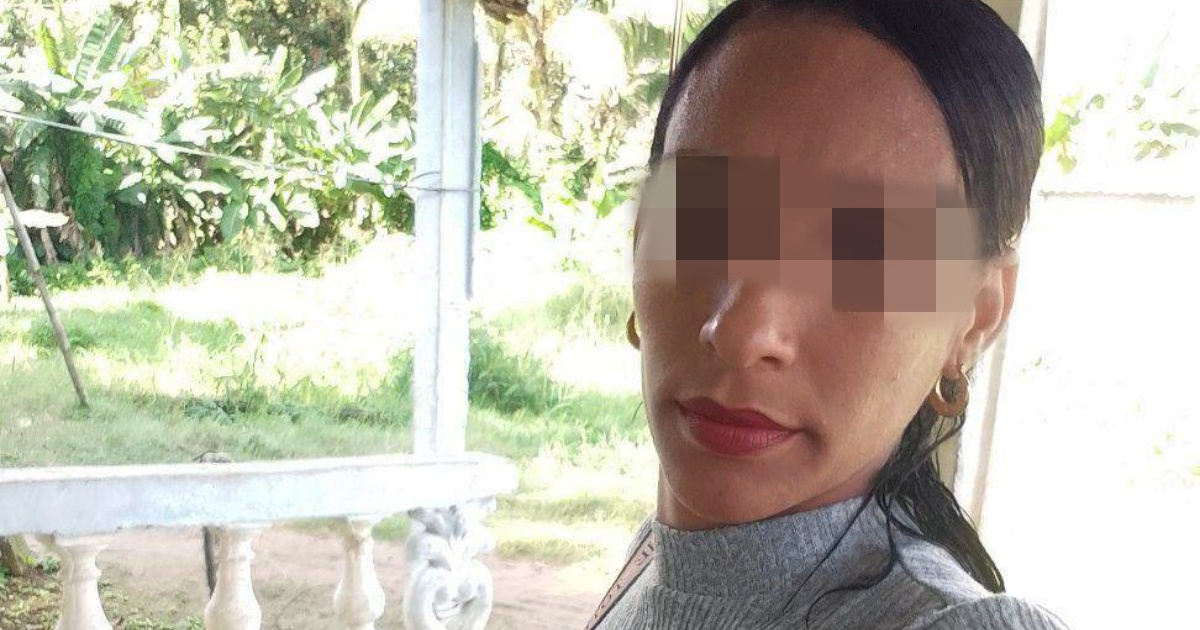
In a heart-wrenching incident, Yaimée Carrazana Herrera, a 32-year-old Cuban woman, was fatally attacked by her former partner on Tuesday in the streets of Santa Clara, Villa Clara. The tragic event was announced on social media by the Gender Observatory Alas Tensas (OGAT) and the feminist platform Yo Sí Te Creo en Cuba (YSTCC).
This incident brings the total number of confirmed femicides in Cuba in 2026 to seven, according to the joint records of these organizations as of February 26. A joint statement from the groups expressed sorrow over the fact that the victim's eldest son was present during the fatal assault and urged for specialized care to aid his recovery.
The organizations extended their condolences to Yaimée’s two younger children, who were not related to the attacker, as well as to her family and friends. In 2026, there have also been reports of two attempted femicides and one gender-related murder of a man.
The groups are currently investigating three potential attempted femicides and two possible femicides reported this year. For 2025, there are eleven unconfirmed femicides, four attempted femicides, and one gender-related male murder pending verification.
The platforms emphasized in their public message, “CITIZENS, REPORTING THESE CRIMES IS NOT A CRIME.”
Niover Licea, an independent journalist, later identified the alleged attacker as Yonel Jaramillo Herrera. He provided details indicating that Yaimée was violently assaulted in the Martian Forest area, between the highway and the road to Camajuaní, while she was on her way to work. After the attack, she was rushed to the Arnaldo Milián Castro Hospital, where she succumbed to her injuries.
The update confirmed that her 14-year-old son was with her during the attack, witnessing the horrific event. Licea also reported that authorities have detained the alleged perpetrator.
Femicide Trends in Cuba in 2025
According to data compiled by the EFE agency from Alas Tensas and YSTCC records, at least 46 gender-related murders occurred in Cuba in 2025. The analysis of these figures reveals that 81% of the assailants were partners of the murdered women, and five of the perpetrators had a criminal record or had been previously reported by the victim before committing the crime.
Activists continue to call for comprehensive legislation against gender violence, the establishment of shelters for at-risk women, effective protection protocols, and the provision of transparent official data. They have also urged for a declaration of a state of emergency due to gender violence on the island.
In the Cuban Penal Code, femicide is not classified as a specific crime, and official media rarely cover these cases or use the term, despite the government's stated policy of "zero tolerance" towards violence against women.
Authorities have reported that in 2024, courts identified 76 women killed by their partners, ex-partners, or others, while 110 victims of gender-based violence were recorded in 2023. Additionally, a national system for registering and monitoring gender violence has been approved, alongside the launch of the "No More" campaign, aimed at prevention.
The death of Yaimée Carrazana Herrera brings renewed focus to the ongoing issue of gender-based violence in Cuba and highlights the urgent need for comprehensive protective measures for women at risk.
Understanding Gender Violence in Cuba
What are the current statistics on femicide in Cuba?
As of 2026, there have been seven confirmed femicides. In 2025, at least 46 femicides were reported, with 81% of the perpetrators being partners of the victims.
Is femicide a recognized crime in Cuba's legal system?
Femicide is not specifically recognized as a crime in the Cuban Penal Code, and official media often do not use the term or report such cases.
What measures are activists in Cuba advocating for?
Activists are calling for comprehensive gender violence legislation, shelters for at-risk women, effective protection protocols, and transparent official data. They are also urging for a state of emergency to be declared regarding gender violence.