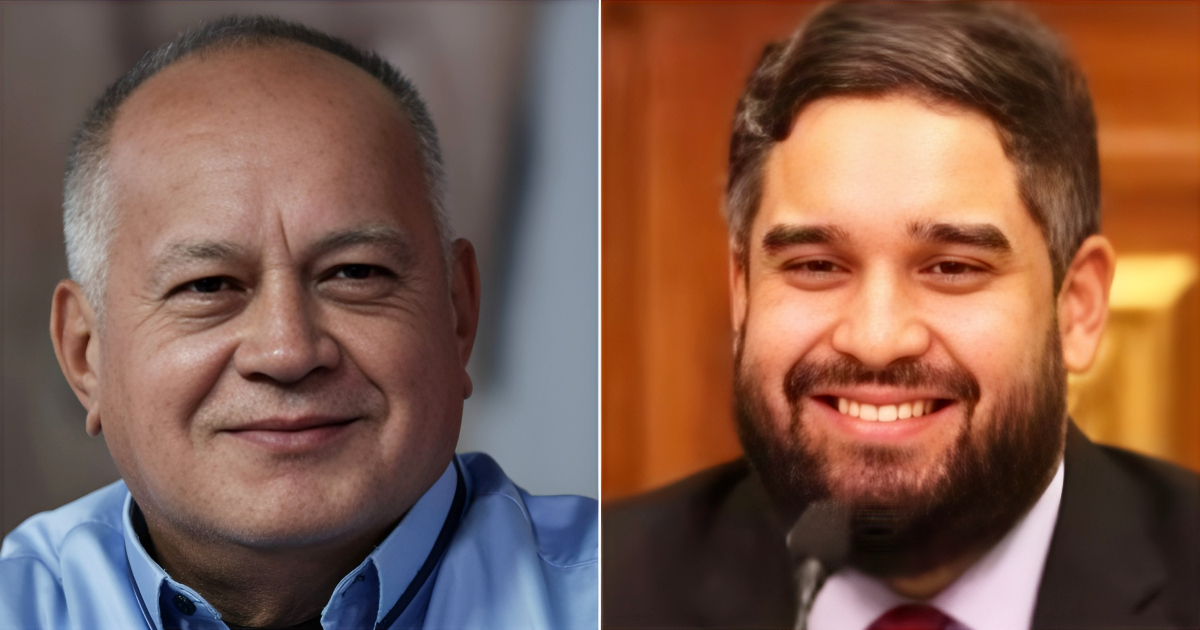
The Trump administration has reportedly ramped up its pressure on the Venezuelan regime by formally demanding cooperation in investigations the U.S. government is conducting against prominent Chavista leaders, including Nicolás Maduro Guerra, son of Nicolás Maduro, and eight other significant officials.
This diplomatic and legal offensive by Washington is part of a broader campaign targeting what it views as an international criminal network involving drug trafficking, narco-terrorism, and corruption within the former government of Caracas, as reported by ABC News.
Following the U.S. military operation on January 3, 2026, where special forces captured Nicolás Maduro and First Lady Cilia Flores in Caracas, transporting them to New York to face federal charges, the White House has intensified its rhetoric against other Chavista affiliates.
Among those sought by Washington under the leadership of Delcy Rodríguez is Nicolás Maduro Guerra, a prominent Chavista figure and legislator known as "Nicolasito," who has denied the accusations and remains active in Venezuelan politics from the National Assembly.
At 35, Maduro Guerra faces allegations of collaborating with drug trafficking networks linked to international cartels.
Besides "Nicolasito," the U.S. administration seeks cooperation regarding eight other senior officials accused by the Department of Justice of alleged involvement in serious crimes that have directly impacted U.S. security and justice interests.
Nevertheless, the Venezuelan Constitution prohibits the extradition of its nationals, complicating any formal attempts to transfer these individuals to U.S. courts.
Facing this legal obstacle, the White House has urged the Venezuelan government, now led by interim President Delcy Rodríguez, to collaborate in investigations through alternative judicial assistance mechanisms and information sharing that could facilitate prosecutions or sanctions without direct extradition.
Trump's demand comes amid a fragile bilateral relationship between Washington and Caracas following the intervention and the capture of Maduro.
The U.S. government has justified these actions as part of its fight against transnational drug trafficking and terrorism, describing those involved as significant threats to regional security and hemispheric stability.
However, figures within the Venezuelan regime have labeled Washington's demands as interference, rejecting any violation of national sovereignty.
From Caracas, Maduro Guerra has promoted his narrative of resistance, condemning what he calls an "external intervention" that undermines international law and Venezuela's self-determination.
Key Questions on U.S. Pressure Against Venezuelan Officials
Why is the U.S. targeting Nicolás Maduro Guerra?
Nicolás Maduro Guerra is accused of collaborating with drug trafficking networks linked to international cartels, which the U.S. sees as a threat to its security interests.
What are the legal challenges in extraditing Venezuelan officials?
The Venezuelan Constitution prohibits the extradition of its nationals, posing significant legal challenges for the U.S. to formally transfer these officials to face charges in American courts.
How has the Venezuelan government responded to U.S. demands?
The Venezuelan government, under interim President Delcy Rodríguez, has rejected the U.S. demands, viewing them as interference and a violation of national sovereignty.