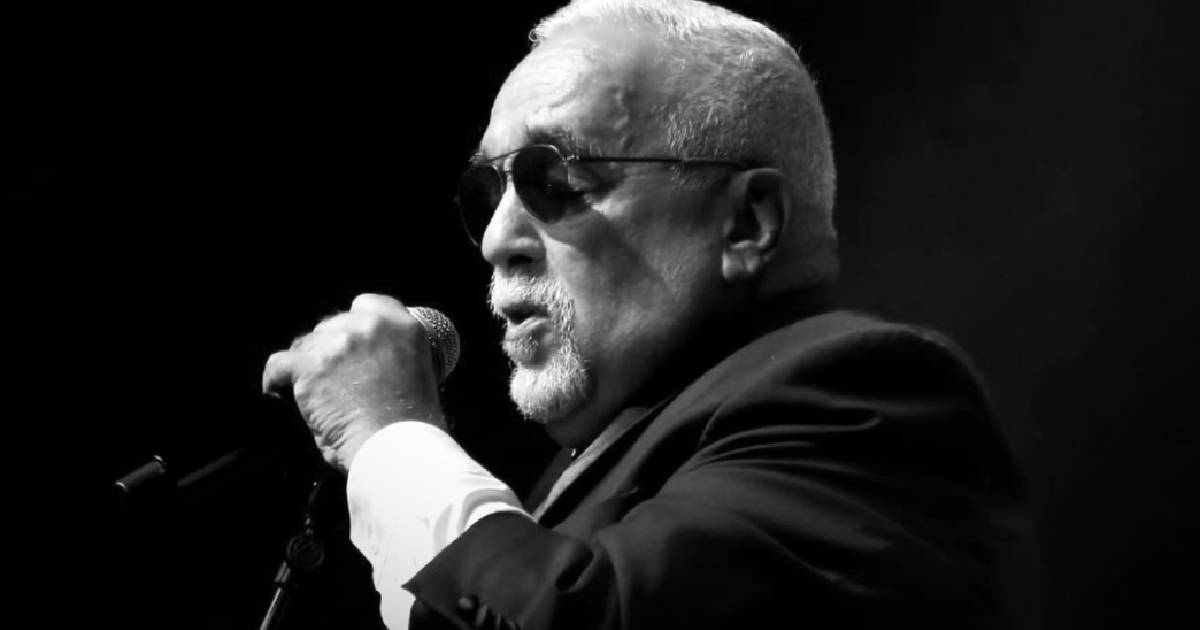
Numerous Latino artists are paying tribute to the legendary American musician Willie Colón, who passed away this Saturday at the age of 75.
The official cause of death has yet to be disclosed, although reports suggest that the renowned trombonist had been receiving medical care for respiratory issues.
The news sparked a wave of immediate reactions across the Latin music scene, which has been deeply enriched by Colón's incredible talent over the decades. The Panamanian singer-songwriter Rubén Blades, who shared a pivotal part of his career with Colón, expressed, "I just confirmed what I was reluctant to believe: Willie Colón has indeed passed away. (...) I will write more calmly about Willie and his vital and important musical legacy," he shared on Instagram.
Salsa artist Víctor Manuelle remembered him as a "producer and visionary," emphasizing that Colón was instrumental in creating "a new sound in salsa." He added, "A man of strong character, but he always treated me with great respect. His legacy will remain in history," he wrote.
From Colombia, Grupo Niche mourned the loss of the "trombonist, composer, producer, and absolute icon of our culture," highlighting that Colón's music "will remain alive on every corner where a clave is played."
Furthermore, Puerto Rican artist Tito Nieves described him as "a pillar of salsa and a visionary who forever shaped our music," while other artists, including Cuban musicians Alexander de Primera and Timbalive, remarked that "music is in mourning."
Born in 1950 in the Bronx, New York, with Puerto Rican heritage, Willie Colón was one of the most influential figures in salsa history. At the age of 17, he signed with Fania Records and quickly became a central figure in the salsa boom of the 1960s and 1970s.
His collaboration with Héctor Lavoe resulted in iconic albums such as "El Malo" (1967), "The Hustler" (1968), and "Cosa Nuestra" (1969), defining the sound of New York salsa with the prominence of the trombone and lyrics that depicted life in Latino neighborhoods.
In the 1970s, his partnership with Rubén Blades produced essential albums like "Metiendo Mano!" (1977) and "Siembra" (1978), considered one of the most important and best-selling albums in the genre's history. Songs like "Pedro Navaja" and "Plástico" expanded the narrative and social reach of salsa, establishing Colón as one of its great innovators.
With his departure, the salsa world loses one of its most daring architects. Nevertheless, his legacy continues with every resonating trombone and every generation that finds identity, memory, and Latino pride in his music.
Willie Colón's Legacy and Impact on Salsa
What were some of Willie Colón's most influential collaborations?
Willie Colón's collaborations with Héctor Lavoe and Rubén Blades were particularly influential, resulting in iconic albums that defined the sound of salsa and expanded its narrative reach.
How did Willie Colón contribute to the evolution of salsa music?
Willie Colón contributed to salsa by introducing innovative sounds and themes, often highlighting the trombone and incorporating social and narrative elements that broadened the genre's appeal.