Cuba is currently grappling with a significant energy crisis, the likes of which have not been seen since the Cuban Missile Crisis of 1962. A report by The New York Times suggests that the Trump administration has effectively imposed a "blockade" that is leaving the island nation with critically low fuel supplies during one of its most vulnerable periods.
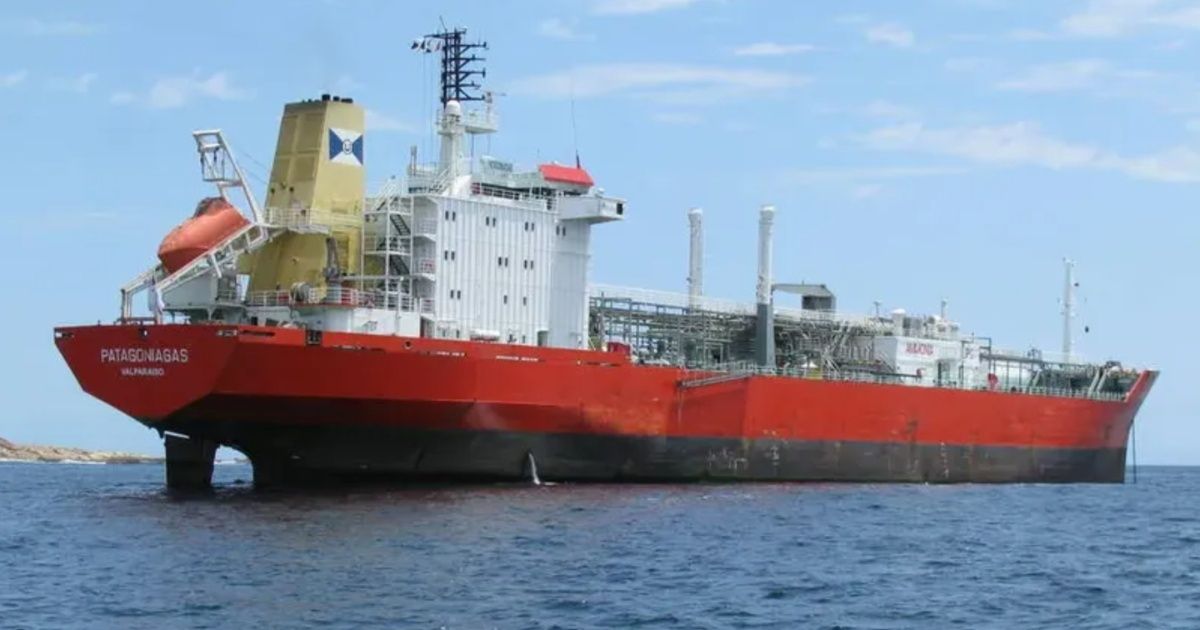
The American newspaper, after examining satellite data, port records, and oil tanker movements, reports that ship traffic heading to Cuba has "all but stopped." Their investigation found that vessels attempting to reach the island have been intercepted or escorted by the U.S. Coast Guard, while other nations have ceased shipments due to fears of sanctions.
Interrupted Shipments and Political Maneuvers
One notable incident involved the tanker Ocean Mariner, which was carrying over 84,000 barrels of fuel from Colombia. Upon changing course towards Cuba, it was followed by U.S. vessels to Dominican waters and subsequently to the Bahamas. The Times argues that actions like these are part of a policy that, while not officially declared as a "blockade," operates with similar effects.
Additionally, the newspaper details Cuba's failed attempts to secure fuel in the Caribbean. The ship Gas Exelero journeyed to Curaçao and Jamaica but returned empty-handed amid an intensifying internal shortage, causing blackouts, surgery cancellations, school closures, and garbage pile-ups in Havana.
Consequences and International Reactions
The newspaper's analysis warns that fuel reserves could be depleted within weeks. Jorge Piñón, a University of Texas expert, predicts that Cuba may run out of supplies by mid-March. The United Nations has criticized these measures as violations of international law, highlighting their severe impact on the Cuban population.
However, from Washington's perspective, the situation is viewed differently. A report from the Washington Examiner frames these measures as part of a broader strategy to weaken the Cuban regime. According to this outlet, the White House has intensified sanctions, halted oil supplies, and threatened tariffs on governments continuing to supply Cuba.
Impact of U.S. Strategy on Cuba and Beyond
This offensive escalated after the January capture of former Venezuelan leader Nicolás Maduro under a Trump-authorized operation. Since then, Venezuela, a long-time crude supplier to Cuba, ceased its daily shipment of over 26,000 barrels that supported much of Cuba's energy infrastructure. Mexico, which had taken on a crucial role following Caracas's decline, also paused shipments after Washington's tariff warnings.
The Washington Examiner notes that U.S. officials aim to hold the Cuban government accountable for its support of entities hostile to U.S. interests and to expedite political change on the island. Analysts cited by the publication assert that cutting off oil flows not only impacts Cuba but also disrupts cooperative dynamics with Venezuela in intelligence and security matters.
The Reality on the Ground in Cuba
Meanwhile, the energy crisis manifests within Cuba as prolonged blackouts, halted transportation, increased food and service costs, and public services on the brink of collapse. Cuban leader Miguel Díaz-Canel has vowed to seek alternatives to overcome the shortage, but traditional allies like Russia are dealing with their own constraints.
The political standoff endures, yet for Cuban households, time ticks in sync with the power outages.
Key Questions About Cuba's Fuel Crisis
What is causing the current fuel crisis in Cuba?
The crisis is largely attributed to U.S. policies under the Trump administration, which have effectively created a blockade by intercepting fuel shipments and pressuring other countries to halt deliveries to Cuba.
How has the fuel shortage affected daily life in Cuba?
The shortage has led to widespread blackouts, disruption of transportation, increased costs for food and public services, and the suspension of surgeries and classes.
What are the international reactions to the U.S. measures against Cuba?
The United Nations has condemned the measures as violations of international law and expressed concern over their impact on Cuban citizens.