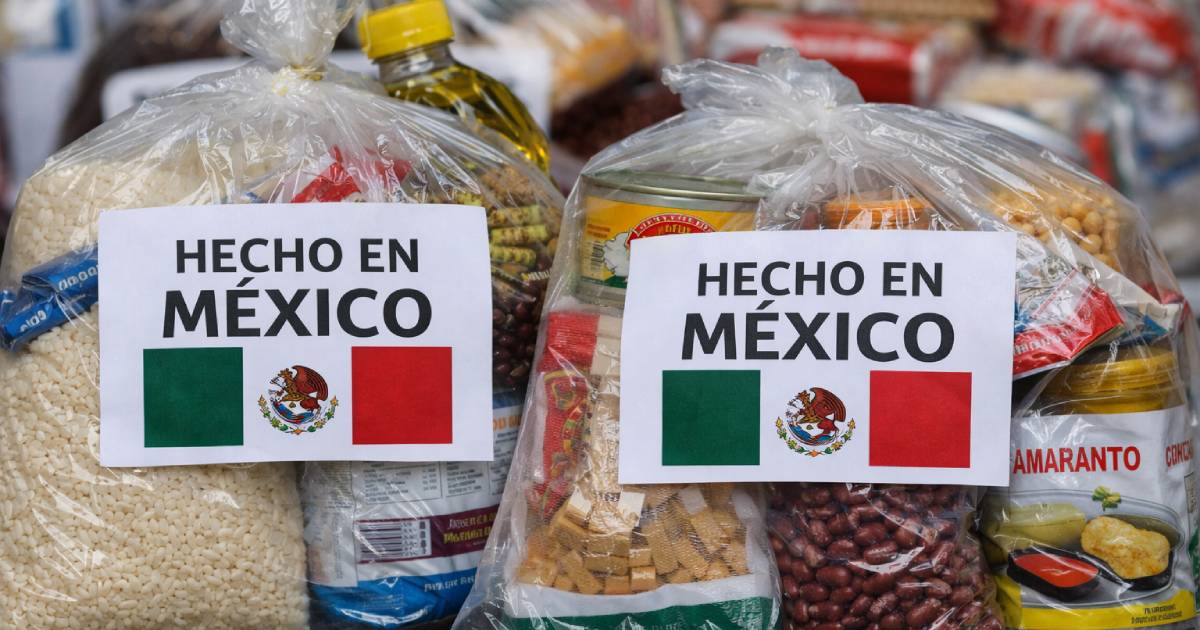
Amid prolonged blackouts stretching into the early hours and an ever-tightening scarcity of resources, some Cuban households were surprised with two bags of food delivered to their doorsteps, clearly marked “Made in Mexico.”
Guillermo Beltrán, a 70-year-old single father residing in the Plaza municipality with his 13 and 16-year-old daughters, was among the recipients. On Thursday, he received a package containing rice, beans, amaranth, cookies, oil, sardines, and canned peaches, part of a humanitarian aid shipment from the Mexican government.
"It's a tremendous joy because the situation has made things very difficult for us. I'm extremely grateful," Beltrán expressed to the Associated Press (AP). In a nation where daily power outages are the norm and obtaining basic food has become a relentless struggle, this act of kindness resonated deeply beyond the mere physical delivery of supplies.
The relief arrived in Havana via two Mexican Navy ships, carrying over 800 tons of food and hygiene products. According to AP, another 1,500 tons of powdered milk and beans are expected to be shipped in the coming days.
Cuban authorities stated that the goods are intended for vulnerable families with underweight children or elderly individuals in provinces such as Mayabeque, Artemisa, and Havana. In Beltrán's case, the bags were personally delivered by his local store manager, an uncommon occurrence in a system where long queues with no guarantee of acquiring necessities are typical.
“People are very thankful for these donations,” Roberto Román, who serves 1,780 consumers across 850 families in his area, told AP.
This aid comes at a particularly strained time for the island. The economic crisis, shortages, and power outages have worsened in recent weeks. Cuba produces only about 40% of the fuel it requires, and energy restrictions have resulted in nearly empty streets, shortened workdays, disrupted interprovincial transportation, and even flight cancellations due to fuel shortages.
The Mexican aid was announced days earlier by President Claudia Sheinbaum, who confirmed the shipment of food and supplies requested by the Cuban government. Although she ruled out sending oil for now, she assured continued humanitarian support.
For families like Beltrán's, however, geopolitical maneuvering is secondary to the pressing daily challenges. “Last night we were without power until late, and again this morning... it’s inhumane,” the Havana father lamented, describing the long hours without electricity.
In a Cuba overshadowed by uncertainty, where the ration book is no longer sufficient and the black market imposes unaffordable prices for many retirees, a bag of rice and beans can bring relief, a temporary reprieve, and as Beltrán himself put it, “tremendous joy.”
Impact of Mexican Aid on Cuban Families
What type of aid did Mexico provide to Cuba?
Mexico provided humanitarian aid, including over 800 tons of food and hygiene products, with additional shipments of powdered milk and beans expected soon.
Who benefits from the Mexican aid in Cuba?
The aid is aimed at vulnerable families in Cuba, particularly those with underweight children or elderly individuals in provinces like Mayabeque, Artemisa, and Havana.
How has the economic situation affected Cuba recently?
Cuba's economic crisis has deepened, with shortages and blackouts becoming more severe. The country produces only 40% of its needed fuel, leading to significant disruptions in daily life.