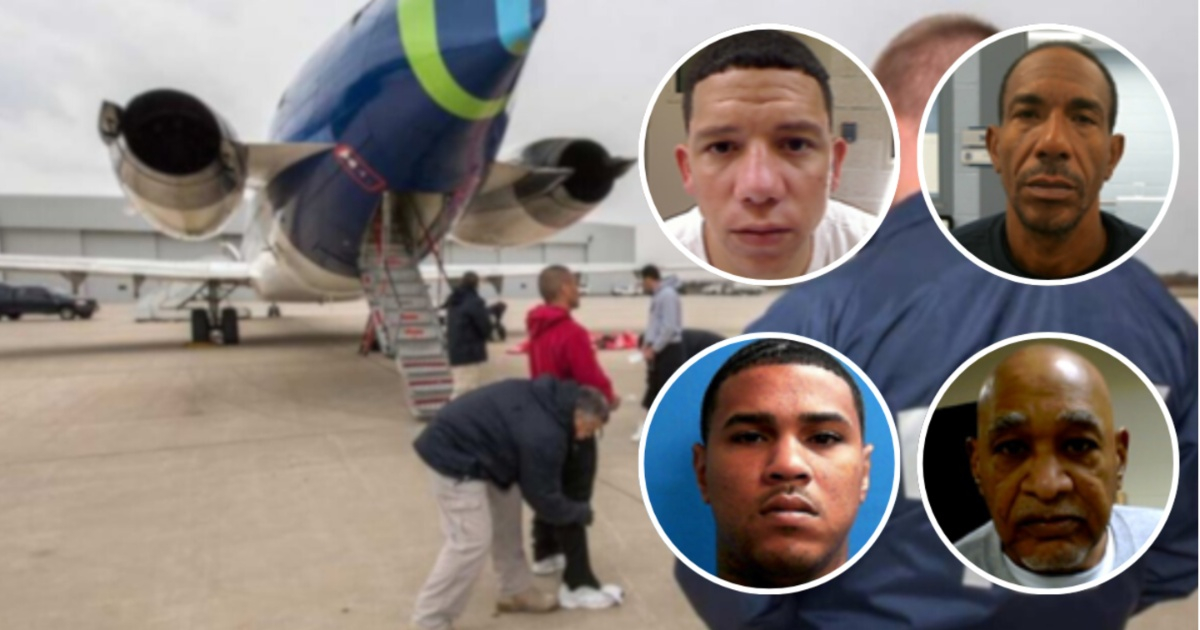
On February 9th, the Cuban government received a flight from ICE Air carrying 170 undocumented Cuban immigrants deported from the United States.
This marks the first deportation flight to Cuba in 2026, and according to U.S. government sources, it included individuals convicted of serious crimes such as murder, rape, kidnapping, and drug trafficking.
While deportation flights to Cuba have been occurring for years, a statement released by ICE on Wednesday indicates that Havana had previously been reluctant to accept mass deportation flights. However, under the Trump administration, these repatriation processes are reportedly happening at record levels, as noted in the document.
The report emphasizes that the initial 2026 flight to Cuba deported "murderers, kidnappers, rapists, drug traffickers, and other criminals," providing specific examples of charges against several of the deportees.
Among the cases highlighted is Yondeivis Wong Den-Hernandez, described as a "criminal illegal immigrant," found guilty of second-degree murder in Florida and of aiding and abetting the unlawful entry of a foreigner in Texas.
The document also mentions Raúl Duquenzne-Batista, linked to the "Los Habaneros Gang" and facing convictions for aggravated assault, rape, aggravated kidnapping, aggravated injury, aggravated robbery, and criminal use of weapons. He reportedly admitted to serving 20 years in a Cuban prison for robbery.
Drug, Weapon, and Assault Charges: Additional Cases
Alexander Padron-Marten is identified as being involved in "controlled substance trafficking" and was arrested during a specific operation in Philadelphia.
Additionally, Orlando Sánchez-Sarría faces charges including grand theft, trafficking in controlled substances, conspiracy to commit kidnapping, conspiracy to distribute cocaine, possession of a firearm by a convicted felon, receipt of stolen goods, and use of a firearm during a drug trafficking offense.
Another case involves Miguel Ramón Caveda-Pérez, associated with charges of rape and possession of an altered or invalid driver's license, who was taken into custody from a state penitentiary in South Dakota on an immigration detainer.
Lastly, Gaully Quintana Martínez is linked to aggravated assault with a dangerous weapon, arrested after serving time in a correctional facility in Louisiana.
Repatriation and Havana's Previous Resistance to Mass Flights
The report states that although deportations to Cuba are not new, the distinguishing factor is the volume and profile of some deportees on the first 2026 flight, at a time when Cuba had reportedly resisted accepting mass deportations, which are now occurring more frequently under the Trump administration.
According to the official note from Cuban authorities, among the deportees were 153 men and 17 women. Authorities specified that three of these individuals were transferred to investigative bodies as they were considered suspects in criminal activities committed prior to leaving the country.
As usual, the regime reiterated its narrative about "regular, safe, and orderly" migration and again warned about the "risks to life" that it claims are posed by illegal departures.
This flight marked the resumption of deportations following a January without air operations, occurring after the last return recorded on December 18, 2025, when 128 Cubans were sent back to the island from the U.S.
Key Questions About Cuban Deportations
Why is the Cuban government now accepting deportees with serious criminal records?
The Cuban government has begun accepting deportees with serious criminal records under increased pressure from the U.S. and amid record levels of deportations taking place under the Trump administration.
What types of crimes were some of the deportees convicted of?
Some of the deportees were convicted of serious crimes including murder, rape, kidnapping, drug trafficking, aggravated assault, and other criminal activities.