Ireland has become the latest nation to issue a serious travel warning regarding Cuba, amid the deepening economic and humanitarian crisis on the island.
As reported by The Irish Times, the Irish Department of Foreign Affairs has advised its citizens to avoid non-essential travel to Cuba, citing the increasingly dire situation as a significant risk to health and safety. The warning places Cuba at the second-highest risk level, typically reserved for destinations with “serious and potentially life-threatening” dangers.
What is particularly concerning about this advisory is not just the grim assessment of the crisis, but also the direct warning that Ireland has “extremely limited” capacity to provide consular assistance in Cuba. This is due to the absence of an Irish embassy in Havana, with diplomatic representation for Cuban matters being handled from Mexico, the Irish publication explained.
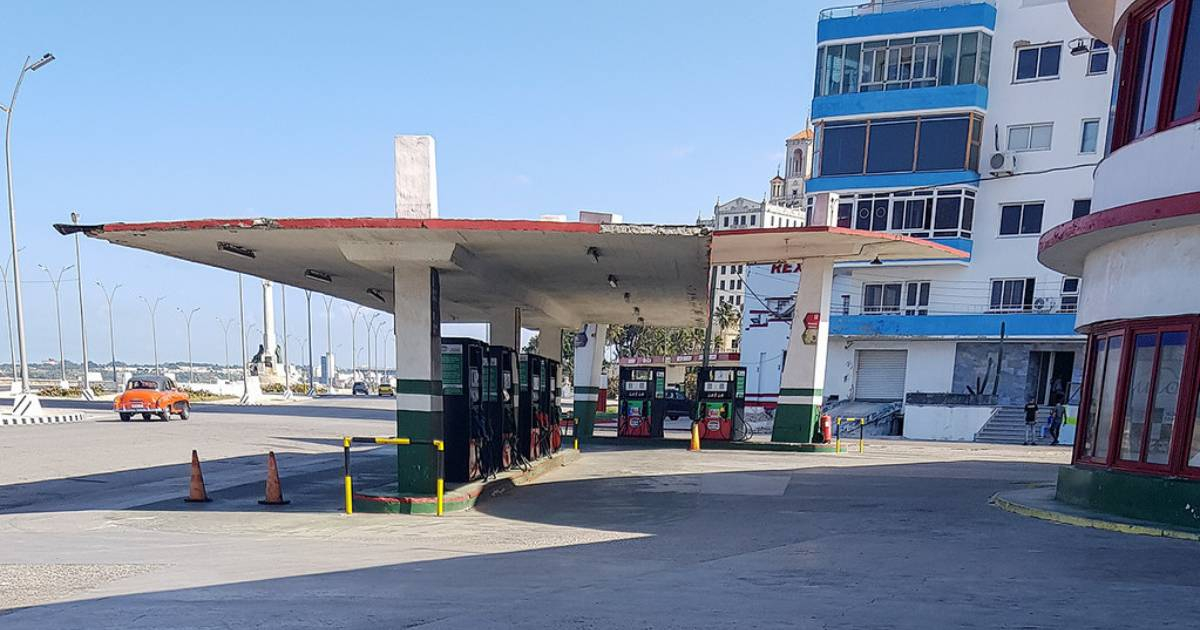
The Irish government highlighted that the fuel shortage is exacerbating the inefficiency of the Cuban power grid, leading to prolonged blackouts, some lasting over 24 hours.
These outages significantly impact the water supply, food refrigeration, communications, and essential services. In some instances, tourists have been relocated from hotels to concentrate energy resources and optimize electricity use.
Irish authorities also warned that the situation is affecting hospitals and clinics, potentially severely limiting access to medical care in emergencies.
Among the most critical issues, Ireland noted that Cuba's aviation infrastructure is facing a severe crisis. According to the report, Cuban authorities have stated that the nine international airports are without aviation fuel, leading to route cancellations.
The United Kingdom has also warned that this situation could prevent visitors from leaving the country, a particularly concerning scenario for foreign tourists.
“Travel May Not Be Covered by Insurance” The Irish Travel Agents Association (ITAA) indicated that there are currently "very few, if any" Irish tourists in Cuba, and warned that travelers may find themselves without insurance coverage.
Clare Dunne, the association's CEO, explained that when the Department of Foreign Affairs advises against non-essential travel, it often means that travel insurance does not cover the destination. She urged those planning a visit to Cuba to contact their agency and insurer “immediately.”
The Irish warnings add to those issued in recent weeks by several European countries, as well as Canada and the United Kingdom, at a time when Cuba is experiencing more severe blackouts, food and fuel shortages, and a faltering tourism infrastructure.
In a country that relies heavily on tourism as a key revenue source, the impact of the energy crisis threatens to further exacerbate economic decline and social despair.
Meanwhile, thousands of Cubans both on and off the island watch with concern as the collapse becomes more apparent and as even foreign governments warn that traveling to Cuba might mean literally being stranded without a way out.
FAQs on Ireland's Travel Warning to Cuba
Why is Ireland advising against travel to Cuba?
Ireland advises against travel due to the worsening economic and humanitarian crisis, which poses significant health and safety risks.
What are the main concerns highlighted by the Irish government?
The main concerns include limited consular assistance, prolonged blackouts, and a critical shortage in aviation fuel, affecting travel and essential services.
How are other countries responding to the situation in Cuba?
Countries like the UK and Canada have also issued warnings, highlighting travel risks and potential difficulties in leaving the country.
What advice is given to Irish travelers currently in Cuba?
Irish travelers are advised to contact their travel agency and insurer immediately to understand their coverage and options for returning home.