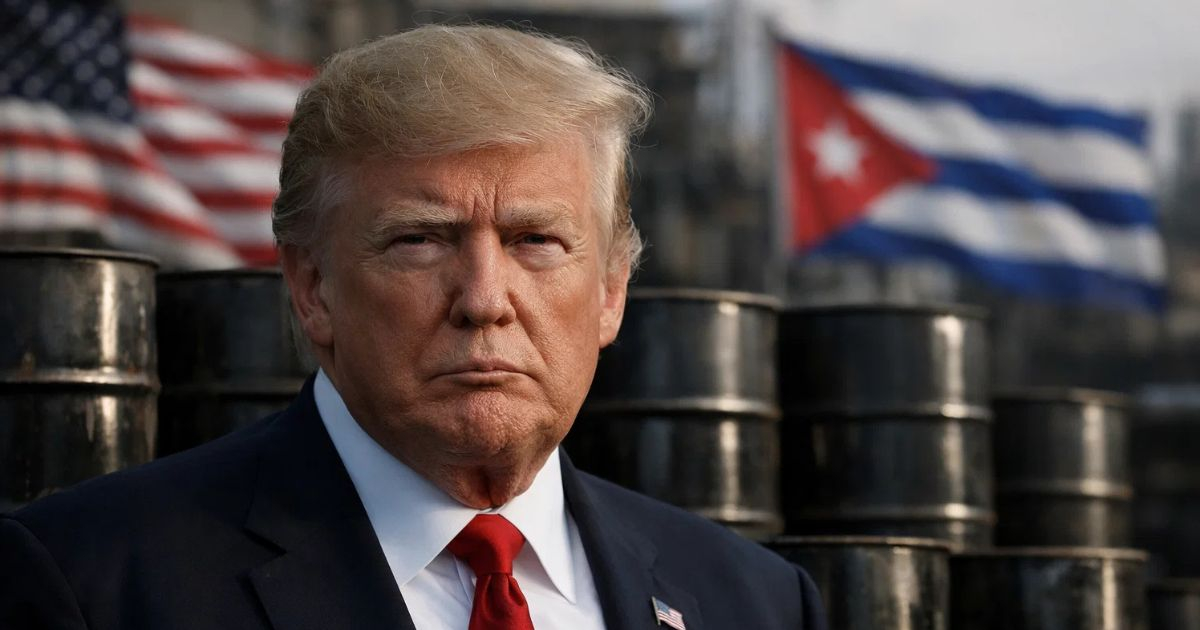
In the face of Cuba's severe energy crisis, the United States is considering sending limited quantities of fuel to the island, which is currently experiencing extended blackouts, halted transportation, and a reduction in economic activities.
As reported by the British magazine The Economist, citing multiple sources, Washington is contemplating the delivery of small amounts of cooking gas and diesel to help keep basic infrastructure running, particularly the water supply system.
The magazine highlights that these would be minor volumes, specifically targeted at essential services.
This information comes after former President Donald Trump's administration effectively imposed an embargo on January 29th, restricting foreign oil shipments to Cuba and warning that tariffs would be applied to any country exporting fuel to the island.
The measure followed the capture of Nicolás Maduro and the cessation of oil supplies from Venezuela, further exacerbating Cuba's already fragile energy situation.
In recent weeks, the Cuban regime has declared an emergency, implemented a shortened workweek, reduced school hours, and faced flight suspensions due to a lack of aviation fuel.
The scarcity has also affected tourism, one of the country's main sources of revenue, while public dissatisfaction grows over power outages exceeding 15 hours daily in some areas.
If realized, this potential U.S. fuel aid would not signify a lifting of restrictions or establish a regular oil supply but rather provide targeted assistance to prevent a greater humanitarian collapse.
The Economist emphasizes that if this measure is implemented, it would occur alongside continued political and economic pressure on the Cuban regime.
This possibility introduces a new dimension to bilateral relations, where the U.S. might combine energy sanctions with limited relief aimed at sustaining basic services during Cuba's worst economic crisis in decades.
Impact of U.S. Fuel Aid on Cuba's Energy Crisis
What kind of fuel is the U.S. considering sending to Cuba?
The U.S. is considering sending small quantities of cooking gas and diesel to assist with essential services, particularly to maintain the water supply infrastructure.
How has the energy crisis affected everyday life in Cuba?
The energy crisis in Cuba has led to extended blackouts, decreased transportation services, reduced economic activities, shortened workweeks, reduced school hours, and flight suspensions due to fuel shortages.
Will the potential U.S. fuel aid lift existing restrictions on Cuba?
No, the potential U.S. fuel aid would not lift existing restrictions or establish a regular supply of oil. It is intended as a one-time assistance to prevent a larger humanitarian crisis.