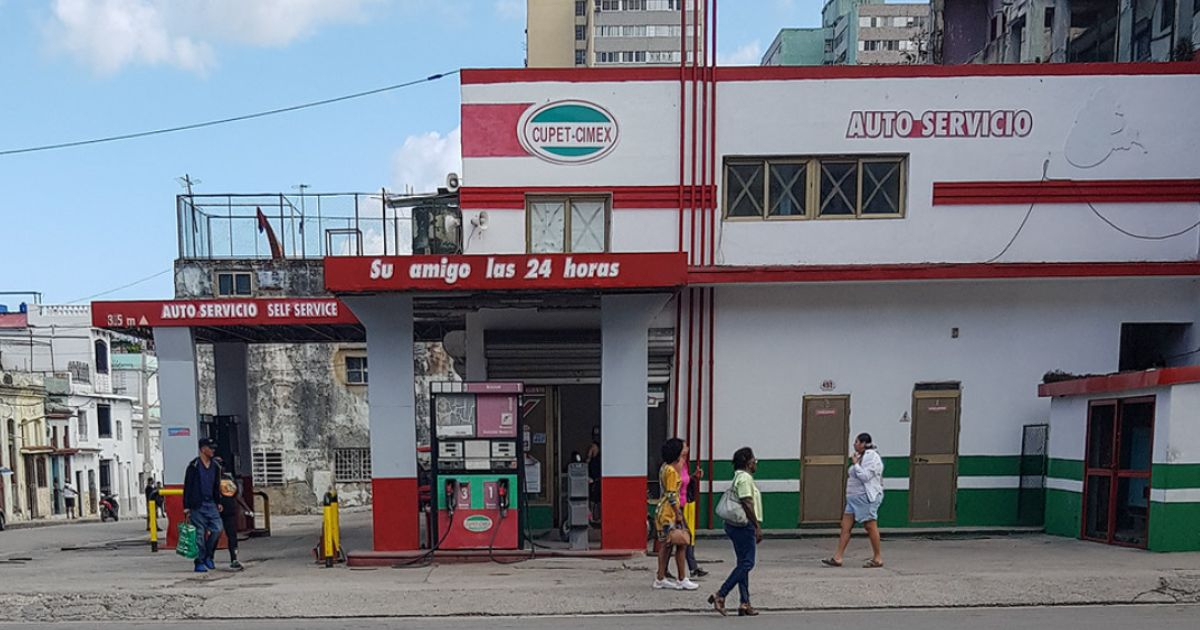
Cuba is experiencing its most severe economic and energy crisis in decades. In response to the worsening fuel shortages, the regime has initiated the so-called "Zero Option." This plan, devised in the 1990s, was intended as a contingency measure for a complete collapse in oil supply.
According to a report from RTVE, the situation has worsened following an executive order signed by former U.S. President Donald Trump on January 29. This order imposes tariffs on countries selling fuel to the island and labels Cuba as a security threat.
The arrest of dictator Nicolás Maduro in early January also halted crude oil shipments from Venezuela, leaving the nation nearly at a standstill.
Originally crafted by Fidel Castro during the Special Period, "Zero Option" was a strategy to tackle a potential no-oil scenario. It involves extreme rationing, local food self-sufficiency, and the use of alternative resources like animal traction for transport and biomass or charcoal for cooking.
Recently, President Miguel Díaz-Canel announced that the country would enter this phase, promising seven pounds of rice per person monthly and prioritizing consumption of locally produced goods.
However, testimonies collected by RTVE indicate that essential products fail to reach several provinces regularly, and the ration book barely covers a fraction of people's needs.
Consequences of the Crisis
The crisis's impact is evident in extended blackouts, affecting over 60% of the country during peak hours, and in the suspension of public transportation, university classes, and non-essential surgeries.
The fuel shortage has even forced hotels to close during peak season and airlines to cancel flights due to a lack of kerosene.
Additionally, the healthcare system is suffering, with reports of medicine shortages, a lack of ambulances, and insufficient medical personnel, as noted by the Spanish media outlet.
Inflation and Economic Strain
The situation is compounded by rampant inflation, driving the Cuban peso to historic lows in the informal market.
In this challenging environment, the regime promotes "Zero Option" as a form of resistance against external pressure and a means to uphold national sovereignty.
Nevertheless, many citizens interviewed by RTVE associate the plan with the harshest years of the Special Period, raising doubts about the government's ability to sustain the nation under severe rationing conditions.
While the government focuses on resilience and internal reorganization, the populace endures power outages lasting more than 15 hours, long queues for fuel purchased in dollars, and a steadily declining quality of life. This crisis blends shortages, inflation, and a downturn in tourism, one of the island's main economic drivers.
Understanding the Impact of Cuba's "Zero Option"
What is the "Zero Option" plan in Cuba?
"Zero Option" is a contingency plan developed during the 1990s to address a complete collapse in oil supply by implementing extreme rationing, local food self-sufficiency, and alternative resources like animal traction and biomass.
Why has Cuba activated the "Zero Option" now?
Cuba has activated "Zero Option" due to severe fuel shortages exacerbated by U.S. tariffs and the halt of oil shipments from Venezuela, leaving the nation in a critical state.
How are Cubans affected by the current crisis?
Cubans are facing prolonged blackouts, suspended public services, hotel closures, and a strained healthcare system, alongside inflation and decreased tourism.