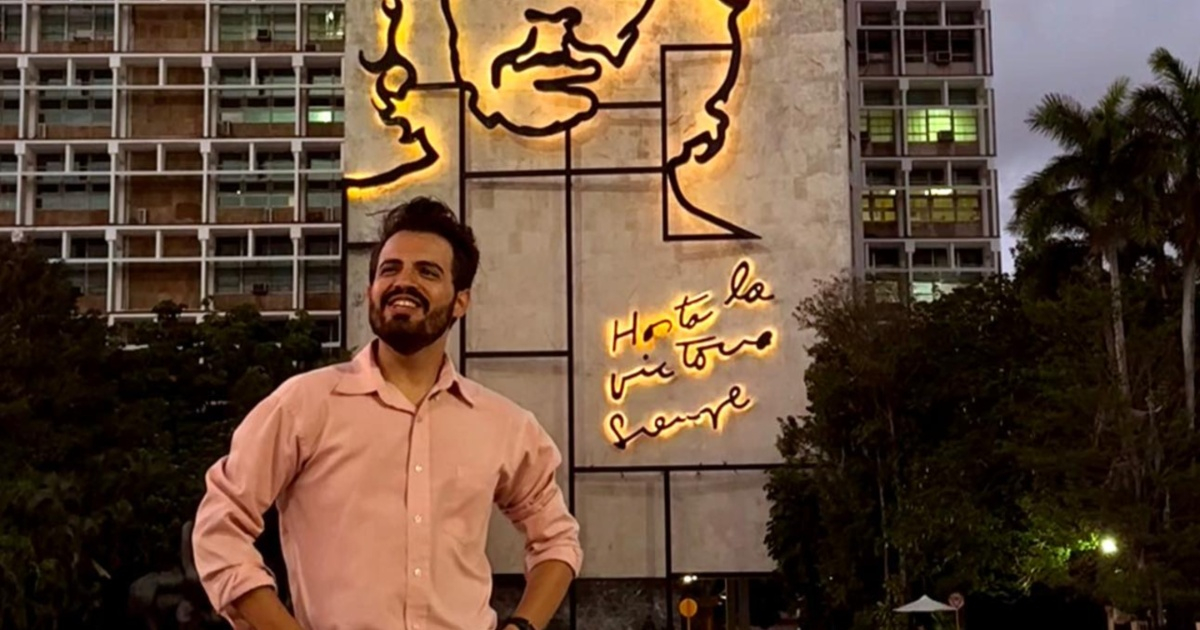
The United States has enacted visa restrictions on Cuban state-affiliated journalist Pedro Jorge Velázquez, known on social media as "El Necio", due to his alleged involvement in harassment campaigns against U.S. diplomats stationed in Cuba.
Sources from the U.S. government confirmed to Martí Noticias that Velázquez is among the initial Cuban citizens targeted by the State Department's newly announced measures against individuals linked to intimidation and harassment of diplomatic staff.
The report highlights Velázquez's actions against Mike Hammer, the U.S. Embassy's chargé d'affaires in Havana, including the dissemination of sensitive content such as images of diplomatic plates and vehicles.
Journalist Mario J. Pentón from Martí Noticias reported that this decision emerged shortly after Deputy Secretary of State Christopher Landau publicly warned that Washington is aware of those involved in the harassment of the diplomatic mission chief.
"I want these individuals to understand that we know who they are and that we will respond accordingly," Landau stated on social media platform X, according to the report.
Landau has accused "small groups of Cuban regime agents" of harassing Hammer during his provincial tours and emphasized that, under international law, diplomats should be able to perform their duties without facing intimidation.
Hostile Acts Against Hammer
In the weeks leading up to the visa restrictions imposed on Pedro Jorge Velázquez, the U.S. government had signaled a toughening stance towards harassment orchestrated by the Cuban regime against its diplomatic personnel.
On February 11, 2026, Washington declared new sanctions against Cuban citizens identified as participants in hostile gatherings outside the U.S. Embassy in Havana, where chargé d'affaires Mike Hammer was targeted.
According to sources cited by Martí Noticias and confirmed by U.S. officials, these actions include the cancellation of existing visas, permanent inadmissibility to enter the U.S., and the revocation of ongoing immigration processes.
U.S. authorities have indicated that they are visually documenting those involved as part of a verification process and potential future sanctions.
This decision is part of a broader policy response to diplomatic harassment, with Washington demanding that Havana adhere to international norms for the protection of foreign representatives.
Congressman Mario Díaz-Balart publicly supported the measure, stating that "anyone who threatens U.S. officials will face consequences," while the State Department reaffirmed that its diplomats will continue to engage with the Cuban people "despite the regime's failed intimidation tactics."
Understanding U.S. Visa Restrictions on Cuban Officials
What led to the U.S. imposing visa restrictions on Pedro Jorge Velázquez?
The U.S. imposed visa restrictions on Pedro Jorge Velázquez due to his alleged role in harassment campaigns against U.S. diplomats in Cuba, including actions directed at the chargé d'affaires, Mike Hammer.
How did the U.S. government respond to harassment against its diplomats in Cuba?
The U.S. government responded by imposing visa restrictions, canceling existing visas, and making individuals permanently inadmissible to the U.S. who were involved in harassment or hostile acts against its diplomatic personnel.
What actions did Deputy Secretary of State Christopher Landau take regarding harassment of U.S. diplomats?
Deputy Secretary of State Christopher Landau publicly warned that the U.S. is aware of those involved in the harassment of its diplomats and stated that there would be consequences for such actions.