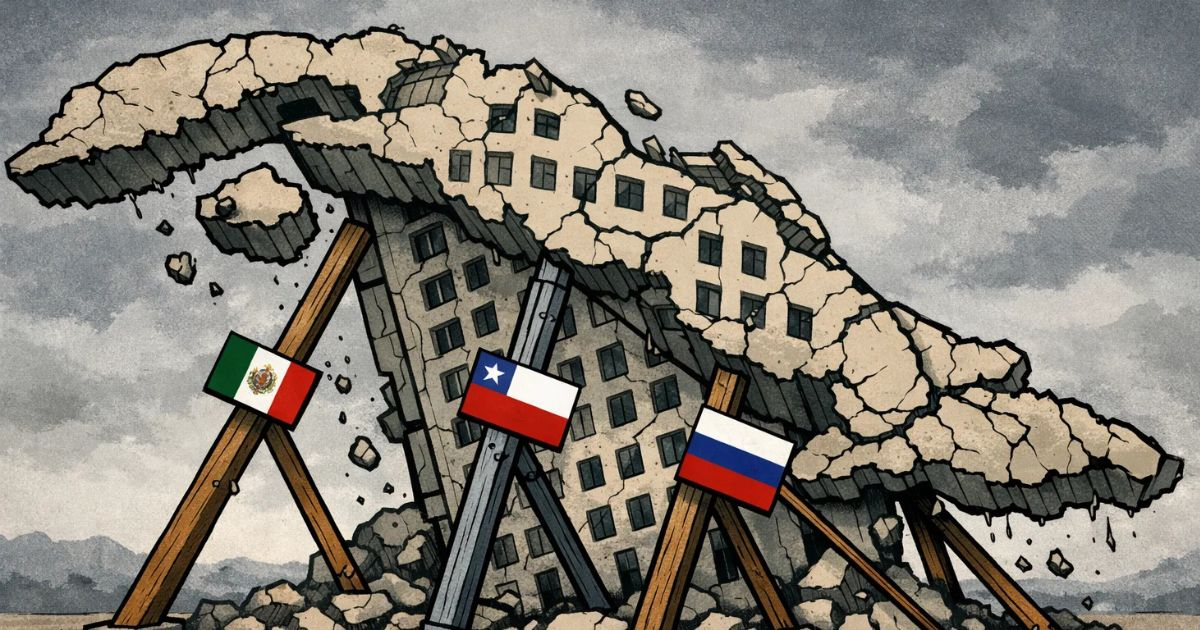
As Cuba grapples with severe power outages, shortages, and a stagnant economy, nations like Mexico, Chile, and Russia have stepped up to provide vital humanitarian and energy assistance, countering the effects of a U.S.-imposed oil blockade.
According to reports from EFE, two Mexican Navy ships, the Papaloapan and the Isla Holbox, arrived in Havana Bay on Thursday, bringing 814 tons of essential supplies such as food and hygiene products.
The Mexican government has announced plans for further shipments, promising up to 1,500 tons of beans and powdered milk. They are also engaging in diplomatic efforts with Washington and have expressed a willingness to facilitate any potential negotiations.
In a similar vein, Chile has declared its intention to send humanitarian aid through its Hunger and Poverty Relief Fund, working in coordination with multilateral organizations. The Chilean Foreign Minister, Alberto van Klaveren, described the situation in Cuba as a "humanitarian drama."
Russia's Strategic Support
Russia, another crucial ally, has committed to sending a shipment of oil and related products to Cuba as humanitarian aid, despite increased U.S. pressure. Kremlin spokesperson Dmitri Peskov stated that both nations are discussing the logistics of this energy supply.
This international support comes in the wake of the U.S. halting Venezuelan crude shipments to Cuba following a military operation on January 3, which resulted in the capture of Nicolás Maduro. Subsequently, President Donald Trump signed an executive order threatening tariffs on countries supplying oil to the island.
The Energy Crisis in Cuba
Cuba relies on imports for about two-thirds of its energy and nearly 80% of its consumed goods. Recent weeks have seen power outages lasting 15 to 20 hours daily in various regions, with public transport and services operating under severe constraints, and fuel sales heavily restricted.
Although these international shipments provide short-term relief, experts cited by EFE caution that they are temporary fixes for a deeper structural crisis exacerbated by years of economic downturn and declining productivity.
In this challenging landscape, the backing of international allies is crucial in staving off a complete collapse of Cuba's energy and economic systems.
Key Factors in Cuba's Economic Challenges
Why is Cuba facing such severe energy shortages?
Cuba's energy shortages are primarily due to its heavy reliance on imported oil, which has been significantly impacted by the U.S. oil blockade and the cessation of Venezuelan crude shipments.
How are international allies assisting Cuba?
Countries like Mexico, Chile, and Russia are providing humanitarian and energy aid to Cuba. This includes food, hygiene products, and oil supplies to alleviate the immediate crisis.
What is the long-term outlook for Cuba's economic situation?
The long-term outlook remains uncertain as temporary aid does not address the underlying economic and structural issues. Without significant changes, Cuba's economic situation is likely to remain precarious.