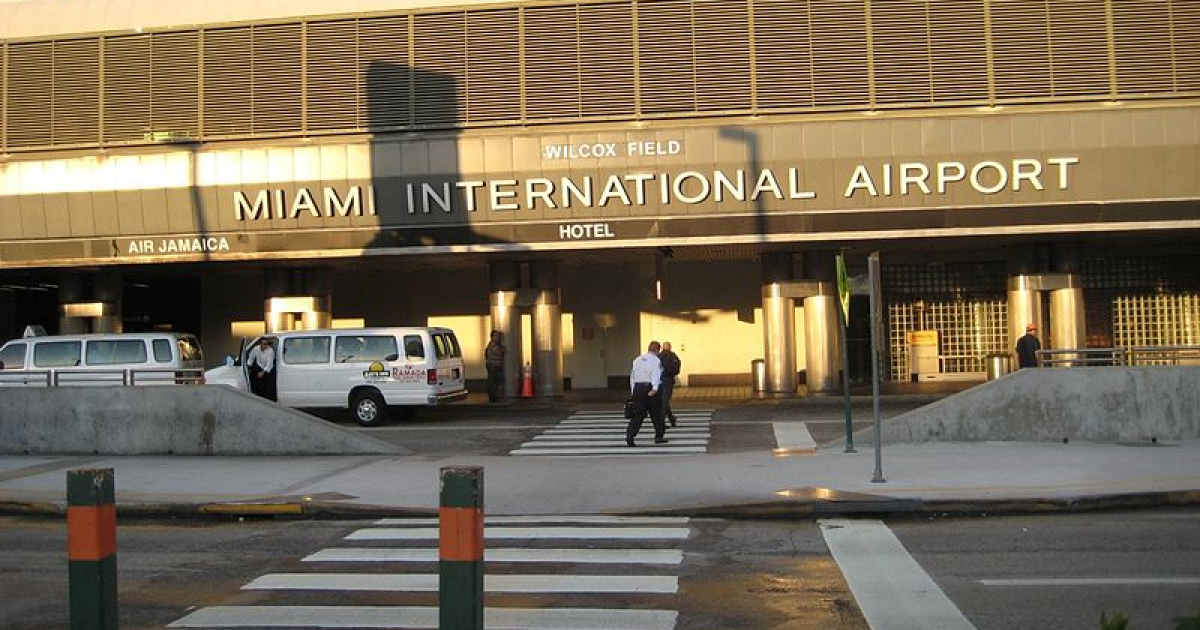
In the arrivals area of Miami International Airport, the atmosphere has changed from what it used to be. Gone is the sense of relief and celebration. Instead, silence prevails, accompanied by weary looks and a common refrain among those who have just left Havana: conditions have never been this dire.
A recent CBS News report gathered firsthand accounts from travelers arriving from Cuba, painting a picture of a nation on the brink of operational collapse. The American outlet highlighted the island's ongoing power outages, severe shortages of food and medicine, and a fuel crisis that is now impacting even civilian aviation.
"Conditions in Cuba have never been this dire," several individuals told CBS News in Miami. Others described an unending state of anxiety and fear about what the coming weeks might bring.
This fear does not arise out of nowhere. Starting on February 10 and continuing for at least a month, Cuba's nine international airports will be without Jet A-1 fuel, the standard for commercial aviation, according to a NOTAM (Notice to Airmen) issued from Havana. This situation forces airlines to carry extra fuel, make technical stops outside the country, or outright cancel flights, putting critical routes between Cuba and cities like Miami under strain.
For many Cubans, this aviation crisis is just another indication of a collapse already experienced on land. With power outages lasting over 18 hours, transportation nearly at a standstill, hospitals lacking basic resources, and inflation consuming any income, daily life has become a test of endurance.
A factor exacerbating the uncertainty within the island is the downfall of Nicolás Maduro in Venezuela and its direct impact on oil supply, upon which Cuba has relied for years. Among the interviewed passengers, there is a sense that following the U.S. operation in Venezuela, the Cuban government might be the next to fall—a possibility seen by many not as a threat, but as a condition for survival.
Meanwhile, from Havana, the official narrative takes a different route. Just days before the total fuel shortage in airports became public, Miguel Díaz-Canel denied that Cuba is a failed state, speaking instead of "resistance" against what he called a narrative driven by the United States. However, the leader himself has acknowledged that tougher times lie ahead, and the country is experiencing a severe fuel shortage.
"People are scared," one of the passengers told CBS News, a brief and direct statement that seems to encapsulate the Cuba many are leaving behind today.
Key Questions about Cuba's Current Crisis
What are the main reasons for Cuba's current fuel crisis?
The primary reasons for Cuba's fuel crisis include the loss of oil supply from Venezuela due to political changes and the broader economic challenges facing the nation, including U.S. sanctions.
How are the fuel shortages affecting daily life in Cuba?
Fuel shortages are causing extensive power outages, disrupting transportation, and leading to significant challenges in accessing basic services like healthcare, further complicating an already difficult situation.
What impact does the aviation fuel shortage have on international travel to and from Cuba?
The aviation fuel shortage is causing airlines to carry extra fuel, make additional stops, or cancel flights altogether, which severely impacts travel routes between Cuba and international destinations such as Miami.