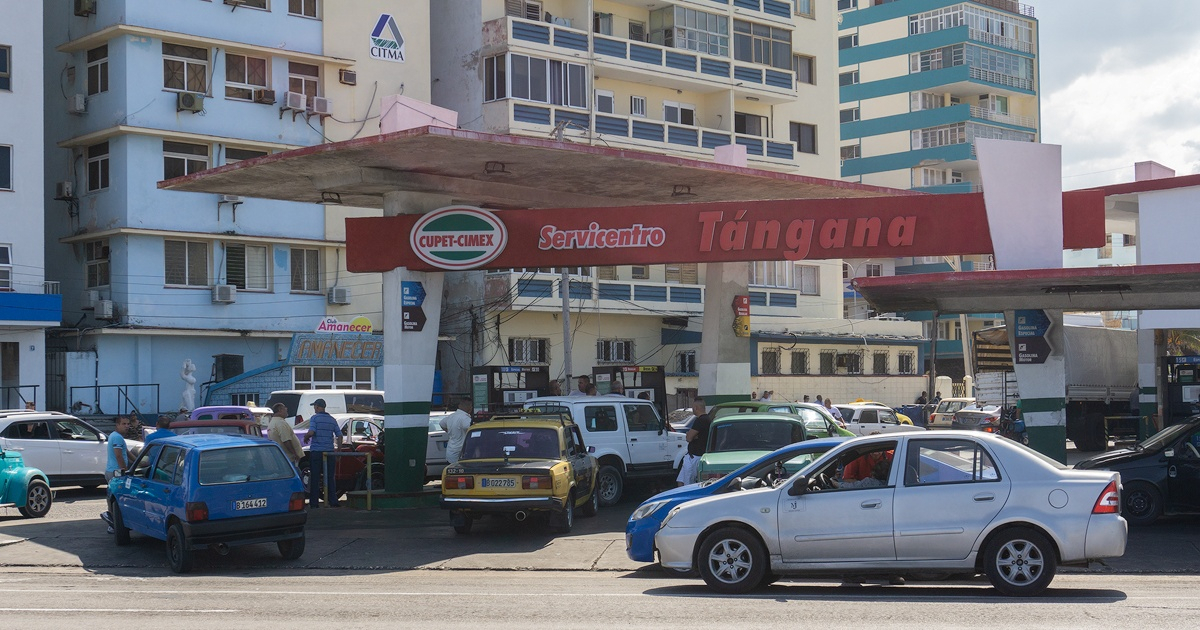
The docking of the tanker Sandino at Matanzas port, carrying an estimated load of between 390,000 and 410,000 barrels of fuel, has sparked some hope amid Cuba's ongoing energy crisis. Yet, experts and analysts agree that while this quantity is significant, it falls short of addressing the deep-rooted issues plaguing the country's national energy system.
Cuba has been grappling with a progressively deteriorating electrical infrastructure for years. This decline is characterized by outdated thermoelectric plants, insufficient maintenance, and a heavy reliance on imported fuels. The consequences have been prolonged blackouts, disruptions in public transportation, and severe limitations on economic activities.
Temporary Relief Amidst a Widespread Collapse
Practically speaking, the fuel carried by the Sandino can only offer immediate and situational relief, whether for power generation or strategic sectors like transportation and essential services. However, the nation's daily fuel consumption far exceeds what a single ship can supply.
Recent experiences indicate that similar shipments have acted merely as temporary fixes, unable to prevent the resumption of blackouts and restrictions just weeks after unloading.
External Dependence and Unstable Supply
The current crisis extends beyond temporary fuel shortages; it stems from a lack of stable and predictable supplies. Reduced shipments from former allies and an inability to access international credit have forced the regime to rely on sporadic shipments and opaque logistical operations.
This instability hampers medium-term electrical generation planning, keeping the country operating on minimal reserves, where any interruption or delay has immediate repercussions for the population.
A Problem with No Short-Term Solution
While the arrival of the Sandino might provide a brief reprieve, it does not address the underlying causes of the energy crisis. Without sustained investments, regular fuel access, and genuine modernization of the electrical system, Cuba will continue to face blackouts, shortages, and a direct impact on its citizens' quality of life.
In this scenario, the nearly 400,000 barrels that reached Matanzas are more of an emergency measure than a lasting solution to a worsening problem.
Understanding Cuba's Energy Crisis
Why can't the Sandino's fuel shipment resolve Cuba's energy issues?
The shipment, while significant, is insufficient to meet the country's extensive daily fuel consumption needs, which far exceed what a single tanker can supply.
What are the main causes of Cuba's energy crisis?
Cuba's energy crisis is primarily due to outdated infrastructure, lack of maintenance, reliance on imported fuels, and unstable supply chains.
How does Cuba's reliance on external fuel affect its energy stability?
Dependence on external fuel sources leads to instability because it limits the ability to plan for consistent energy production, making the country vulnerable to supply interruptions.
What steps are necessary for Cuba to address its energy problems?
To address its energy issues, Cuba needs sustained investments, regular access to fuel, and a comprehensive modernization of its electrical infrastructure.