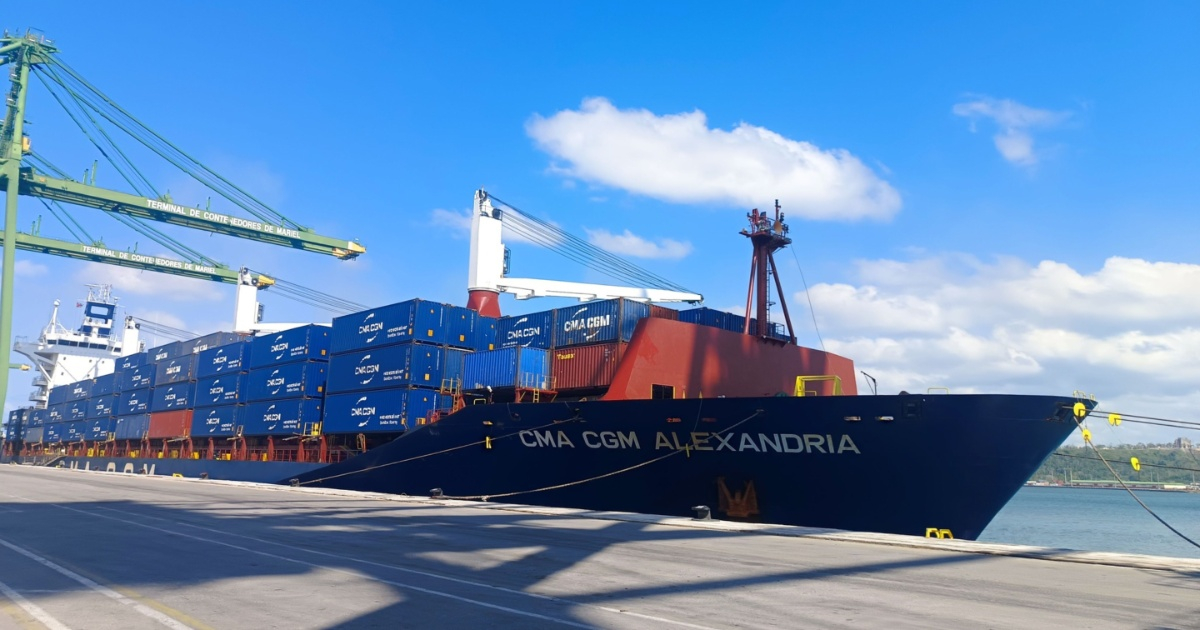
The Ministry of Foreign Trade and Foreign Investment announced on Saturday that the Mariel Container Terminal will remain fully operational, adhering to its usual schedule despite the challenging national circumstances marked by crisis.
According to the statement released by the regime's agency, all import and export activities will proceed "without interruption," maintaining the current level of service provision.
The published notice lacks specifics on additional measures, operational volumes, or logistical adjustments in response to the country's situation; it only confirms the uninterrupted functioning of the port according to its regular routines.
The Cuban government is currently restricting fuel purchases due to a severe shortage, which hinders maintaining previous levels of trade.
Authorities have announced temporary restrictions until conditions improve, though no specific dates or sales volumes have been disclosed.
The regime has enacted several measures, such as concentrating administrative activities from Monday to Thursday to reduce energy consumption and allowing private fuel imports.
Additionally, the direct sale of energy generated from renewable sources to third parties has been approved.
These efforts aim to mitigate the impact of the energy crisis on the population, although they fail to address the immediate fuel shortage.
The energy crisis has severely disrupted interprovincial transportation, leading to the suspension of bus departures in multiple provinces and adjustments to rail services.
Furthermore, academic and cultural activities have been postponed, with institutions like the University of Havana shifting to a semi-virtual format. The fuel scarcity is significantly affecting the mobility and daily life of Cubans.
Impact of Energy Crisis and Government Measures in Cuba
What measures has the Cuban government taken in response to the fuel shortage?
The government has concentrated administrative activities to reduce energy consumption, authorized private fuel imports, and approved the direct sale of renewable energy to third parties.
How is the energy crisis affecting transportation in Cuba?
The crisis has disrupted interprovincial transportation, leading to suspended bus services in several provinces and adjustments to train schedules.