The legal case facing Nicolás Maduro in the United States has taken a fresh twist.
Federal Judge Alvin Hellerstein from the Southern District of New York confirmed the postponement of a hearing initially set for March 17, which will now occur on March 26. This change comes at the request of the Southern District of New York's prosecution, with the consent of the defense teams for both Maduro and his wife, Cilia Flores, who is also facing criminal charges.
Prosecution's Request Supported by Defense
The motion was submitted by federal prosecutor Jay Clayton, who argued for more time to allow the prosecution to "produce evidence discovery" and give the defense ample opportunity to review the material beforehand, thereby facilitating the filing of pre-trial motions, according to EFE news agency.
"This additional time is necessary for the prosecution to produce discovery and for the defense to have an opportunity to review it," Clayton explained in a letter to the court. Additionally, the date change aims to avoid "scheduling conflicts and logistical issues."
Judge Hellerstein approved the request, and the upcoming March 26 hearing is expected to set the judicial timetable, exchange evidence, and formally address motions from both sides.
A Pivotal Arrest
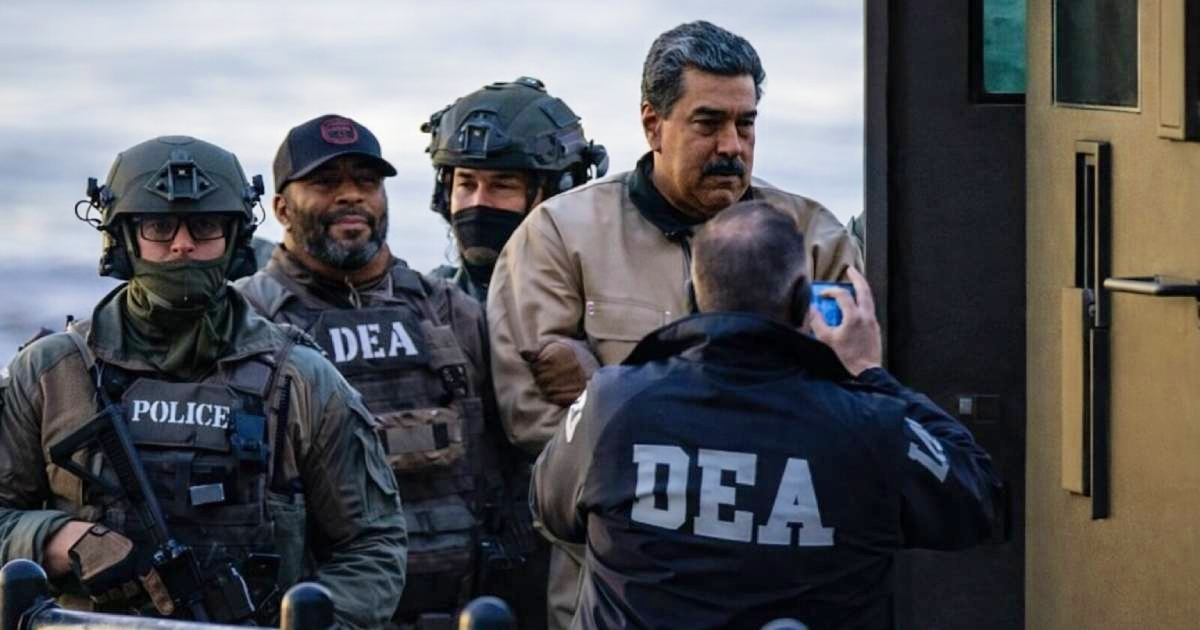
The arrest of Nicolás Maduro on February 3 was a significant event in Venezuela's recent history. The operation, conducted by U.S. special forces, specifically Delta Force units, occurred at a location primarily secured by Cuban personnel. It wasn't the Miraflores Palace but a special site where Maduro and Flores were apprehended before being transferred to New York.
Both remain in pre-trial detention at Brooklyn's Metropolitan Detention Center, facing severe charges. In his initial court appearance on January 5, two days post-arrest, Maduro declared himself "innocent" and described his situation as that of a "prisoner of war" and a "political prisoner."
Charges of Narcotrafficking and Terrorism
The charges against the former president are serious. Maduro is formally accused of:
- Narcoterrorism.
- Conspiracy to import cocaine.
- Conspiracy to possess machine guns and destructive devices.
- Possession of weapons of war.
Meanwhile, Cilia Flores faces accusations regarding her logistical involvement in these illicit activities and her direct connection to the criminal network led by her husband. While her specific role has yet to be fully detailed by the prosecution, the exchange of evidence and future hearings are anticipated to shed more light on her involvement.
U.S. Maintains Trafficking Charges, Drops "Cartel of the Suns" Leader Label
Although the U.S. continues to press charges of narcotrafficking and narcoterrorism against Nicolás Maduro, the Justice Department has removed the direct reference to him as the head of the so-called "Cartel of the Suns." This label had significantly influenced Washington's political and judicial discourse against Chavismo in recent months.
The amended indictment by the U.S. prosecution tones down the language used in 2020 when a grand jury accused Maduro of "helping to manage and ultimately leading" the alleged narcotics trafficking network. The updated document no longer presents the cartel as a structured criminal organization but as a "patronage system" operating within a corrupt culture in Venezuela's upper echelons.
The revised court documents indicate that drug trafficking profits flowed to civilian and military officials operating within a patronage system directed from the highest levels, identified in the text as the Cartel of the Suns, without now presenting Maduro as its direct leader.
A Defense Centered on Sovereignty
Maduro's legal representation is provided by attorney Barry Pollack, known for defending Julian Assange. Pollack's strategy focuses on portraying Maduro as the legitimate president of a sovereign state, victimized by an "illegal" capture operation by a foreign country.
According to this defense approach, the U.S. action amounts to a violation of Venezuelan sovereignty, thereby nullifying the charges brought forward. "President Maduro was kidnapped by a foreign power on Venezuelan soil and forcibly brought to the United States," the defense argues, aiming to position his detention as a political invasion case rather than a legitimate legal process.
A Trial with Geopolitical Repercussions
Maduro's capture and prosecution have shaken the Latin American geopolitical landscape. While the remaining Chavista leadership continues to control some power structures in Caracas, it does so now without its most emblematic figure.
Some analysts view the arrest as a strategic move by the U.S. government, particularly under the Trump administration, to secure control over Venezuelan oil resources. In this context, Maduro's detention could signify a turning point for Chavismo. Meanwhile, the conditions of detention for the former president and his wife remain under strict secrecy for security reasons.
The Judicial Countdown
The newly scheduled March 26 hearing will be pivotal for the case's progress. Although the defense maintains the illegitimacy of his detention, the prosecution is preparing a case that, if successful, could result in a life sentence for both defendants. At 63, Maduro could spend the rest of his life behind bars if found guilty.
Meanwhile, Venezuela is navigating an uncertain political realignment without its principal leader, yet still under the banner of Chavismo. The U.S. judiciary continues with one of the most unusual and politically significant cases in recent decades.
Key Questions on Nicolás Maduro's U.S. Legal Proceedings
Why was Nicolás Maduro's hearing postponed?
The hearing was postponed to allow the prosecution more time to produce evidence discovery and give the defense an opportunity to review it before filing pre-trial motions.
What charges does Nicolás Maduro face in the United States?
Maduro is charged with narcoterrorism, conspiracy to import cocaine, conspiracy to possess machine guns and destructive devices, and possession of weapons of war.
How does Maduro's defense team plan to counter the charges?
Maduro's defense, led by attorney Barry Pollack, argues that his capture was an illegal operation violating Venezuelan sovereignty, aiming to dismiss the charges on these grounds.