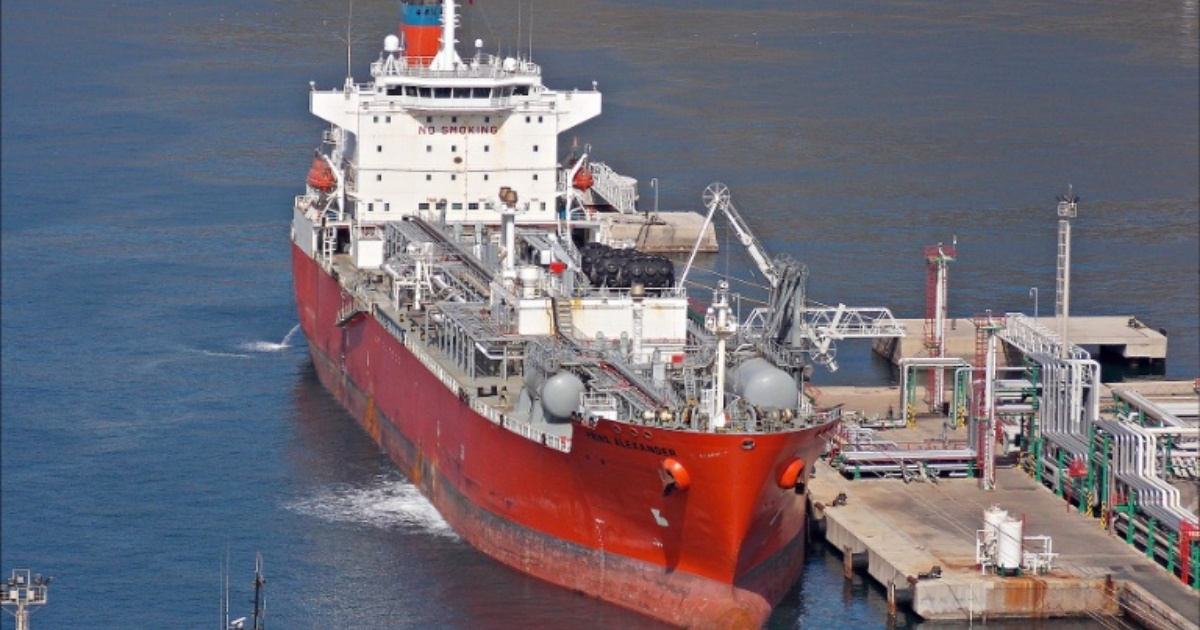
The anticipated return of the Emilia tanker to Cuba served as a harsh reminder of the island's energy fragility. The vessel returned to the port of Cienfuegos without a single liter of liquefied petroleum gas (LPG) on board.
The Cuban-flagged Emilia, a ship specialized in transporting LPG, had made its way to Jamaica in an effort to secure supplies from one of the few regional suppliers still engaged in trade with Havana.
However, this mission was thwarted by a critical convergence of timing and international policy: the activation of a new decree by then-U.S. President Donald Trump.
Impact of U.S. Sanctions on Energy Supplies
Effective from 12:01 a.m. Eastern Time on January 30, 2026, the decree imposed sanctions and potential tariffs on countries providing fuel to Cuba, labeling the island a "national security threat" to the United States.
Despite the Emilia arriving in Jamaican waters on January 29, Kingston's authorities decided against allowing the cargo operation, opting to avoid U.S. repercussions.
Navigation Data Confirms Empty Return
Navigational data left no room for doubt. The Emilia approached Kingston with a draft of 8.4 meters and departed with the same, having loaded no fuel.
“Had the ship loaded gas, the draft would have visibly increased,” explained energy analyst Jorge Piñón from the University of Texas Energy Institute, in interviews with CiberCuba and 14yMedio.
Piñón noted that the tanker “entered Jamaican territorial waters at 08:35 UTC on January 29 and exited at 10:48 a.m. the next day,” insufficient time for a loading operation even without active sanctions.
“Jamaica narrowly avoided sanctions,” Piñón described, highlighting how timing saved the Caribbean nation from a potential diplomatic crisis with the U.S.
Cuban Households Face Dire Consequences
Beyond diplomatic maneuvers and satellite records, the most direct impact of this failure falls, as often, on the Cuban citizens.
LPG is crucial for thousands of households using it for domestic fuel. Prolonged shortages have forced many families to improvise with wood, charcoal, or intermittent electric sources, exacerbating a social deterioration deepening each month.
In Cienfuegos, where the largest LPG depots for western Cuba are located, the situation is bleak. Entire provinces have gone months without regular service. The few deliveries made only allow a few days of sales before the popular “balitas” disappear.
“Obtaining a 10-kilogram cylinder has become an obstacle course with no guarantee of success,” reported 14yMedio.
By January 2026, a gas cylinder was being resold in the informal market for 10,000 to 30,000 Cuban pesos, several times the average monthly salary of a state worker. The official price, when available, is a mere illusion for those who can make it to the counter in time.
An Unstable Energy System on the Brink
The Emilia episode is not isolated but a symptom of a collapsing energy system.
The extended periods the ship spends anchored or inactive are not due to technical failures but the inability to finalize purchase agreements due to currency shortages, payment history, and the growing reluctance of international intermediaries.
The ship had previously departed from Pastelillo port in Nuevitas (Camagüey), with its journey to Kingston closely monitored by both experts and the public.
“The trip ended up being further evidence of operational collapse,” Piñón told CiberCuba.
Since 2025, fuel imports have drastically decreased, affecting not only electricity generation but also domestic consumption. With less fuel for distributed generation plants, blackouts increase, making LPG a critical alternative. The scarcity of one increases the demand for the other, creating a vicious cycle the regime seems unable to break.
A Perfect Storm Brewing?
The failed operation of the Emilia occurs amidst a challenging international landscape and a U.S. administration intensifying its pressure on the Cuban government.
Sanctions on energy transport and strict monitoring of allies like Venezuela or Mexico have drastically reduced supply routes. In this scenario, the island relies on costly, ad-hoc purchases without stable contracts or secure suppliers.
As Piñón warned CiberCuba in January, even before this latest incident: “the regime had between four and eight weeks to face paralysis as no oil was arriving from anywhere.”
The Emilia’s empty journey is not just an anecdote but a warning. It reveals the fragility of an energy system sustained by diplomatic patchwork, financial scarcity, and forced political decisions.
Above all, it leaves millions of Cubans, once more, facing an empty pot.
Key Questions on Cuba's Energy Crisis
Why did the Emilia tanker return to Cuba empty?
The Emilia tanker returned empty due to U.S. sanctions deterring Jamaica from allowing a fuel transfer, to avoid potential American repercussions.
What are the consequences for Cuban households?
Cuban households face severe fuel shortages, forcing many to resort to alternative sources like wood or charcoal, worsening social conditions.
How do U.S. sanctions impact Cuba's energy supply?
U.S. sanctions complicate fuel supplies to Cuba by imposing penalties on countries providing fuel, reducing the island's access to stable energy sources.