President Donald Trump has announced that his administration is gearing up for ground operations aimed at curtailing the influx of illegal drugs into the United States. This strategy mirrors recent crackdowns on suspected drug-laden vessels in the Caribbean and Pacific regions.
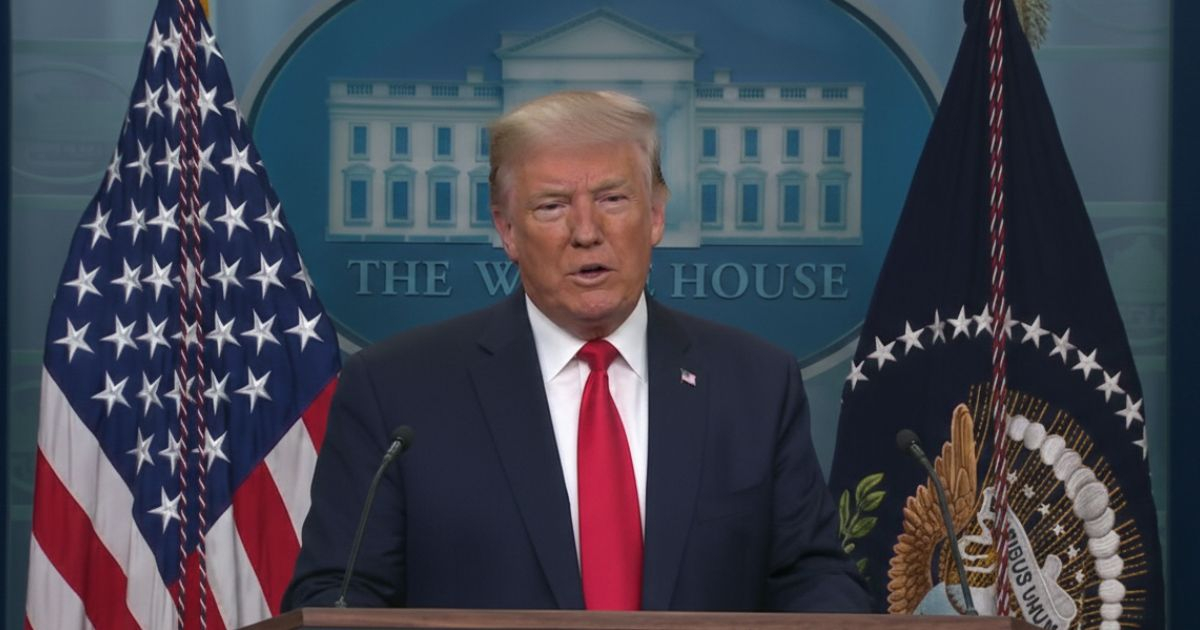
During a press conference at the White House marking the first anniversary of his presidency, Trump, in a live broadcast across social media platforms, declared that the land routes used for smuggling illicit substances into the U.S. are “fully identified.” He assured that his government stands ready to act.
“We've intercepted nearly 100% of the maritime drug traffic. Soon, we will begin intercepting drugs that are smuggled overland. We know precisely where they originate from,” stated Trump, though he did not specify the exact targets for these planned operations.
“You've witnessed our success at sea. Now, we will replicate that success on land. It's much easier on land,” Trump emphasized, asserting that his administration “will not stand idly by” as narcotics continue to flow into the United States.
These statements reinforce Trump's previous warning that the United States “will also target those bringing drugs overland,” a stance that has raised diplomatic tensions with Mexico.
Last week, Mexican President Claudia Sheinbaum stated that after a phone conversation with Trump, any possibility of U.S. military action on Mexican soil had been “ruled out.”
Sheinbaum affirmed that her government maintains “close cooperation” with Washington on security issues, but she firmly rejected the notion of labeling organized crime as “narcoterrorism” to justify foreign interventions.
“Organized crime cannot be classified as terrorism,” she stated at the time.
Trump's latest remarks contrast sharply with this conciliatory message, suggesting a hardening of the White House's anti-drug policy, consistent with his doctrine of “peace through strength,” a policy also applied in the Caribbean and South America.
Bilateral relations are at a peak of tension, just weeks after the capture of Nicolás Maduro in Venezuela, a military operation that underscored Washington's willingness to act unilaterally against perceived threats to regional security.
Understanding U.S. Anti-Drug Efforts
What actions is the U.S. taking against drug trafficking?
The U.S. is planning ground operations to intercept drugs entering the country via land routes, similar to its maritime operations in the Caribbean and Pacific.
How has Mexico responded to Trump's statements on drug trafficking?
Mexican President Claudia Sheinbaum has stated that there will be no U.S. military action on Mexican soil and emphasized close cooperation with Washington on security matters.
What is the current state of U.S.-Mexico relations concerning drug trafficking?
Relations are tense, as the U.S. plans to target land-based drug trafficking, which has led to diplomatic friction between the two nations.