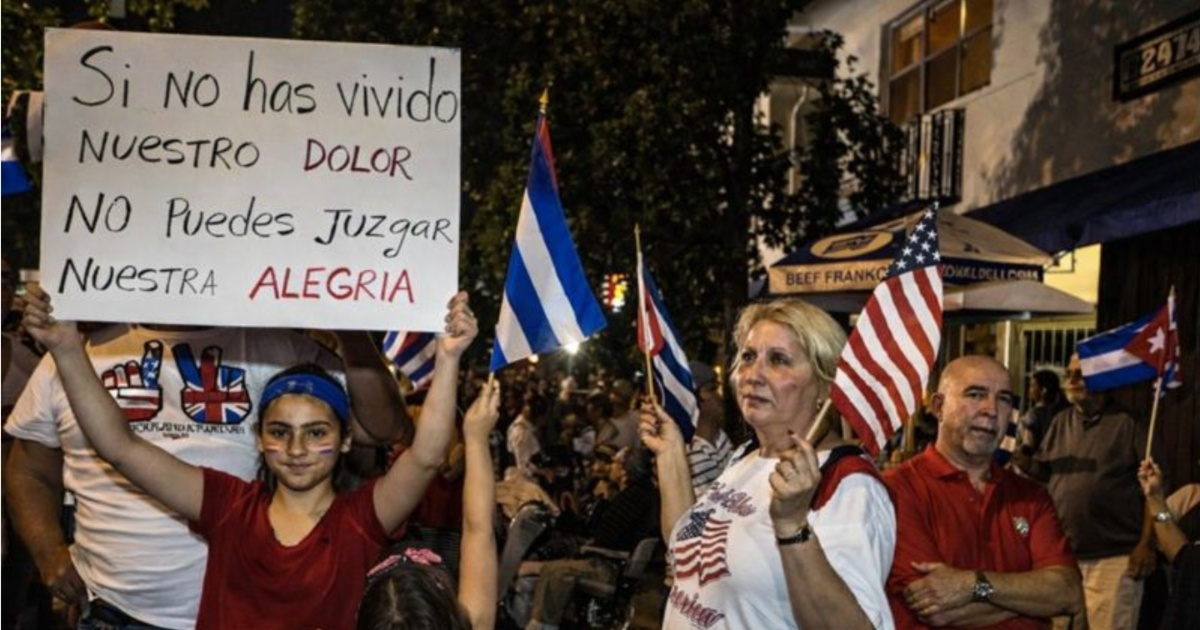
In Miami, segments of the Cuban exile community have voiced their support for a potential U.S. military intervention in Cuba, akin to the operation that ousted Nicolás Maduro from Venezuela on January 3. They argue that such action would be justified by the enduring "misery and oppression" under the Cuban communist regime.
A report by EFE features statements from Luis Zúñiga, a member of the Cuban Resistance Assembly (ARC). Speaking to the agency from the organization's headquarters in Doral, west of Miami, Zúñiga stated that beyond "economic" and "political" pressure, if a "surgical operation" is necessary to remove the oppressors, then "blessed be" the intervention.
According to EFE, while many exiles in Miami are hesitant to speak out publicly due to fears of repercussions against relatives in Cuba, those who do are predominantly in favor of an operation similar to the one in Venezuela.
Zúñiga further contends that there exists a "right to intervene" in Cuba's internal affairs due to the regime's abuses. He argues that since the dictatorship was established with Soviet assistance, other powers should have the right to help "liberate" the island.
These views are expressed amid escalating pressure from Washington following Donald Trump's return to the presidency. The administration re-designated Cuba as a state sponsor of terrorism, prompting new financial sanctions, and the appointment of Marco Rubio as Secretary of State was interpreted by the exile community as a hardening stance against Havana.
In interviews, Cuban-American José Ramón Pérez Campos described Maduro's fall as a "very sensitive link" for Cuba, considering the significant impact of severing ties with Venezuela, which he believes places Miguel Díaz-Canel's government in a "highly difficult" situation.
Pérez Campos suggested the regime would need to choose between seeking "alternatives" through "conversational diplomacy" or facing an uncertain future. He hinted that change might necessitate abandoning communism, although he doubts the regime's willingness to relinquish control.
EFE also quotes Álex Arellano, who praised Rubio and stated that he would be remembered in Cuban history if he succeeds in ending the regime. José Ramón Cardona expressed the most radical view, forecasting Cuba's liberation by the end of next April and arguing that pressure, though painful for the population, is "the only way" to force the system's collapse.
The report concludes that, for these interviewees, a potential change could pave the way for the country's reconstruction with the support of exiles. This comes amid a crisis described as economic, energy, and demographic, with lingering fears of public discourse due to potential consequences for families still in Cuba.
Understanding the Cuban Exile Community's Perspective
Why do some Cuban exiles in Miami support U.S. military intervention?
They believe such action is justified by decades of oppression and hardship under Cuba's communist regime and see it as a means to liberate the island.
What impact did the fall of Nicolás Maduro have on Cuba?
The fall is seen as a significant setback for Cuba, as it disrupts crucial support from Venezuela, placing the Cuban government in a challenging position.
How is Washington's stance towards Cuba changing under Trump's presidency?
Trump's administration has intensified pressure by re-listing Cuba as a terrorist sponsor, imposing new sanctions, and appointing Marco Rubio, signaling a tougher approach.