As Cuba grapples with a severe energy crisis and mounting geopolitical tension from Washington, Mexico has stepped up as the island’s primary source of oil and fuel, filling the void left by Venezuela’s faltering supply.
This strategic role, taken on by Claudia Sheinbaum’s administration as a “humanitarian” gesture, is under scrutiny: Can Pemex genuinely maintain this supply chain over the long haul?
Mexico's Rising Role in Cuba's Energy Needs
The capture of Nicolás Maduro by U.S. forces has significantly altered the Caribbean’s energy landscape. For decades, Venezuela supported Cuba’s regime with subsidized oil in exchange for medical and intelligence services. However, sanctions and systemic collapse have crippled Venezuela’s production and export capabilities.
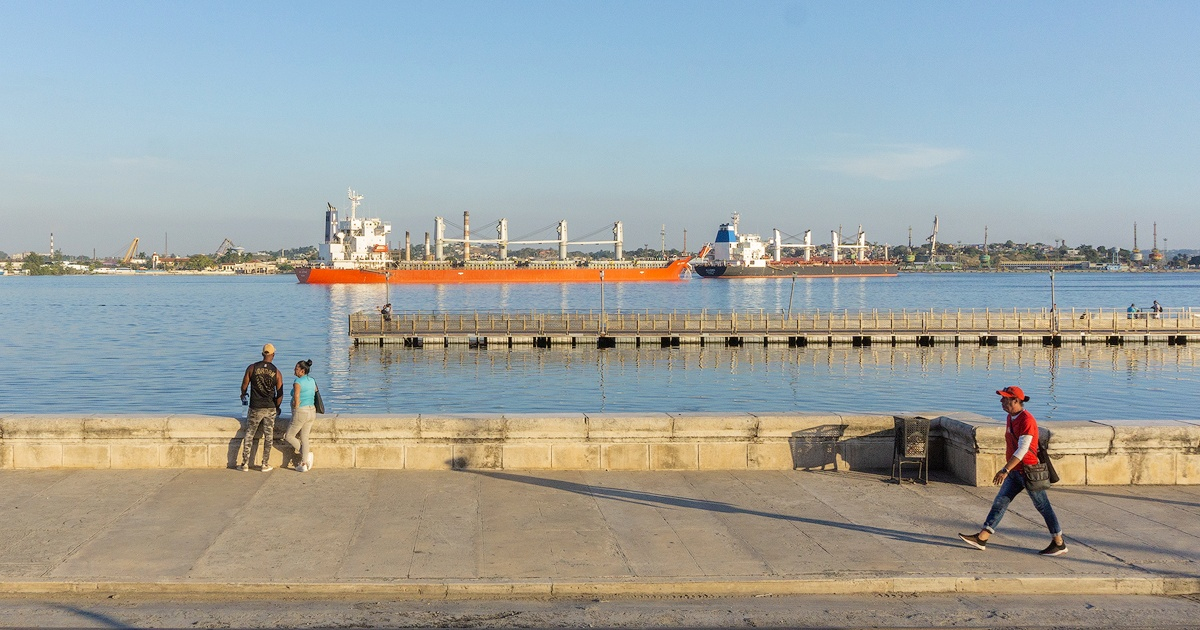
In this vacuum, Mexico has emerged as the chief supplier of oil to Cuba, a move that “increases the geopolitical cost of its relationship with the United States,” according to experts cited by EFE. The recent arrival of the Ocean Mariner, a vessel carrying 86,000 barrels of fuel from Mexico to Havana Bay, underscores this shift.
“Mexico is becoming more prominent as an exporter to Cuba, which heightens the risk of U.S. pressure,” warned Gonzalo Monroy, director of consultancy GMEC.
Challenges of Sustaining Supply from Pemex
Beyond diplomatic considerations, challenges loom at home. PEMEX, Mexico’s state oil company, has been falling short of its production targets. Experts like Ramsés Pech question its ability to sustain regular exports if current trends persist.
“Pemex and its private partners produce 1.6 million barrels per day (mbd), with only 1.3 mbd coming from Pemex itself, falling short of the official goal of 1.8 mbd,” noted Pech, a partner at the energy consultancy Grupo Caraiva.
Every barrel sent to Cuba competes with domestic needs and profitable export goals, potentially sounding alarms within the company if production delays continue. “The opportunity cost could become untenable,” agree Pech and Monroy.
Humanitarian Aid or Uncollectible Debt?
President Claudia Sheinbaum has defended the oil shipments to Cuba as part of a long-term, humanitarian agreement. “We’re not sending more oil than historically provided,” she affirmed earlier this month, responding to Financial Times reports estimating current shipments at 12,000 barrels daily to the island.
However, the economic reality behind these shipments is less altruistic. According to Monroy, Cuba doesn’t pay, and the existing scheme includes discounts and lenient terms that accumulate as “accounts receivable” never settled. “That debt accumulates and is later forgiven, as Enrique Peña Nieto did in 2013,” he explained.
This situation causes internal friction, not only due to the lack of transparency—Pemex has not officially disclosed volumes or amounts involved—but also due to the precedent of multimillion-dollar debts forgiven in the name of foreign policy.
Cuba’s Energy Context: A Complete Crisis
Meanwhile, Cuba faces one of its worst energy crises ever. The loss of Venezuelan oil, combined with limited national refining capacity and a collapsed electrical system, leaves millions of Cubans enduring blackouts lasting up to 20 hours daily.
The Cuban regime has tried to survive by reselling part of the imported oil while maintaining ties with Russia—restricted by the war in Ukraine—and Mexico as its main current supporter.
In this context, Mexican shipments have prevented total collapse and are tolerated even by Washington, which fears a new wave of migration or social unrest if the country plunges into prolonged and widespread blackouts.
A Sustainable Relationship?
While Mexico and Cuba’s energy cooperation is not new—dating back to the 1980s—the current political environment has amplified its impact. The U.S.’s ambivalence, Pemex’s operational fragility, and unpaid bills from Havana create an unsustainable equation in the long term.
“The question isn’t whether Mexico wants to keep sending oil, but if it can afford to,” Monroy cautioned. With stagnant production, red financials, and growing diplomatic pressures, the Mexico-Cuba link is precarious and relies on crucial decisions yet to be made.
For now, ships continue to depart from Mexican ports to a darkened island, in an operation blending solidarity, geopolitics, and financial risk.
Despite public rhetoric from former President Donald Trump—who vowed to cut the “economic oxygen” to Cuba’s regime—the U.S. has allowed Mexico to continue crude shipments to the island. Energy Secretary Chris Wright and other top officials, as reported by CBS News, confirmed that in practice, Washington tolerates Mexican supplies to prevent a total collapse of Cuba’s electrical system.
This ambivalence reflects a strategy of contained pressure, aimed more at extracting concessions than triggering an immediate humanitarian crisis.
Key Questions on Mexico's Oil Supply to Cuba
Why is Mexico supplying oil to Cuba?
Mexico is providing oil to Cuba as part of a long-term humanitarian agreement, filling the gap left by Venezuela's decreased oil supply.
Can Pemex sustain the oil supply to Cuba?
Pemex is currently struggling to meet its production targets, raising doubts about its ability to maintain a steady oil supply to Cuba in the long term.
What are the implications of Mexico's oil shipments to Cuba?
The shipments increase geopolitical tensions with the U.S. and pose financial challenges for Pemex, especially given Cuba's inability to pay.
How does the U.S. view Mexico's oil supply to Cuba?
While the U.S. publicly opposes economic support for Cuba, it tolerates Mexican oil shipments to prevent a total collapse of Cuba’s energy infrastructure.