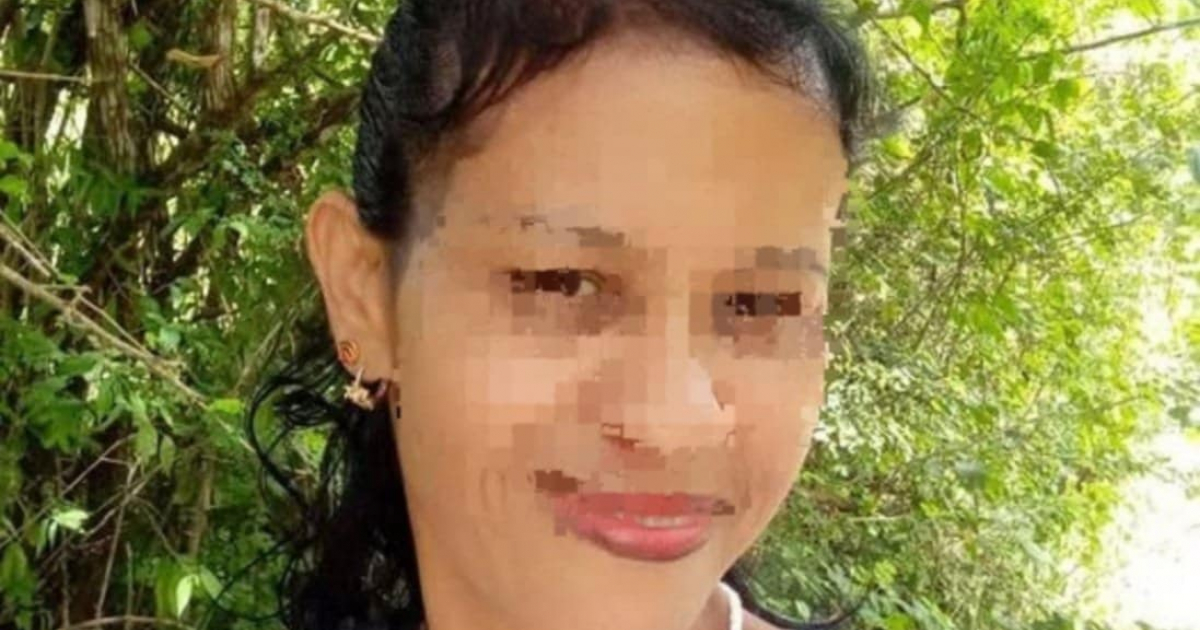
The small village of Gua in Cienaguilla, part of the Campechuela municipality in Granma, is in shock following the tragic murder of Darmis Ismarai (Gulli) Figueredo Rodríguez, age 38, and her 43-year-old partner. The incident occurred on the night of January 7 at their home.
According to reports shared by Cuban feminist organizations on social media, the crime was allegedly committed by Darmis's former partner, whom she had previously reported for violence. Despite her complaints, the police failed to act, resulting in this devastating tragedy.
This horrific double homicide has left four children orphaned, two from each victim.
The Observatorio de Género Alas Tensas (OGAT) and the independent platform Yo Sí Te Creo en Cuba (YSTCC), after verifying the facts with local sources, have renewed their urgent call for authorities to implement effective measures to address and prevent such incidents.
As of January 13, these organizations have documented two femicides, one attempted femicide, and one gender-motivated murder of a man for the year. Additionally, they are investigating 12 possible femicides, four attempted femicides, and another gender-motivated murder of a man that occurred in 2025.
Violence Marks the Start of the Year
The year began on a grim note with a femicide reported on January 6 in Jatibonico, Sancti Spíritus. Magaly Aragón Aragón, a 59-year-old nurse, was found dead in a cane field near the Las Mulas prison camp where she was employed. The attack included sexual violence and ended in murder.
The attacker, identified as Yoel Soriano Santana, was serving a 26-year sentence for a previous murder and was stationed at Las Mulas at the time of the crime. Reports indicate he confessed to both the murder and post-mortem sexual assault. Magaly left behind two adult children.
Persistent Violence Pattern
These incidents contribute to a disturbing pattern of violence in Cuba. In 2025, at least 48 femicides were reported by observatories, in a context lacking official statistics and specific laws to protect women at risk.
While the Penal Code mentions gender violence, there is no comprehensive law or specific classification for femicide, nor are there shelters or immediate response protocols for threatened women.
The murders in Granma and Sancti Spíritus highlight institutional negligence and lack of prevention, even in state settings. Darmis had reported her attacker with no timely response from authorities; Magaly's murder occurred within her workplace under the prison system's custody.
Civil Society's Response
Feminist platforms are adamant that reporting is not a crime and urge the public to report cases of extreme gender violence. They undertake roles that should belong to the state, such as documenting crimes, investigating, supporting families, and raising awareness of macho violence.
According to OGAT and YSTCC, the recurrence of femicides and gender-motivated murders demonstrates a relentless pattern where impunity, invisibility, and lack of legislation allow perpetrators to act with impunity.
They caution that Cuban society cannot afford to look away, emphasizing the urgent need for legislative action and effective protection to prevent new victims from being added to the growing list of gender-based violence murders.
The start of 2026 in Cuba underscores the systemic crisis of gender-based violence, where the absence of comprehensive laws, shelters, prevention protocols, and institutional response continues to place women and men at grave risk due to gender motives.
The tragedies of Darmis, her partner, and Magaly Aragón highlight the critical need for proactive measures to prevent the repetition of patterns that have claimed dozens of lives in recent years.
Understanding Gender-Based Violence in Cuba
What is the current state of gender-based violence in Cuba?
Cuba is experiencing a systemic crisis of gender-based violence, with increasing reports of femicides and gender-motivated murders amidst a lack of comprehensive laws and official statistics.
How are Cuban organizations responding to gender violence?
Organizations like OGAT and YSTCC are actively documenting crimes, investigating cases, supporting affected families, and advocating for legislative changes to combat gender violence effectively.
Why is there a lack of effective response to gender violence in Cuba?
The lack of effective response is attributed to institutional negligence, absence of specific laws against femicide, and inadequate prevention and protection protocols for women at risk.