"No more oil or money for Cuba. Nothing!" This was the emphatic message delivered by former U.S. President Donald Trump via his social media platform, Truth Social. His statement underscores Washington's intent to suffocate the Cuban regime following the collapse of Chavismo and the cessation of Venezuelan support.
Trump even advised Havana to "make a deal before it's too late," which many see as an unparalleled ultimatum.
But what does Trump mean by "money"? Rafael Peñalver, a constitutional lawyer and political analyst, clarified this in a conversation with France 24. It's not merely about the oil that flowed from Venezuela for years; it's also about the continuous stream of remittances sent by Cubans abroad to their families on the island.
"It's a very delicate issue from a moral and familial standpoint," Peñalver stated. Sending money to loved ones in Cuba is an act of love and survival for many exiles. However, he cautioned, a significant portion of this money ends up in the hands of the state, supporting a repressive apparatus that sustains the regime's power. "Cubans face a very difficult situation," he emphasized.
A Nation on the Brink
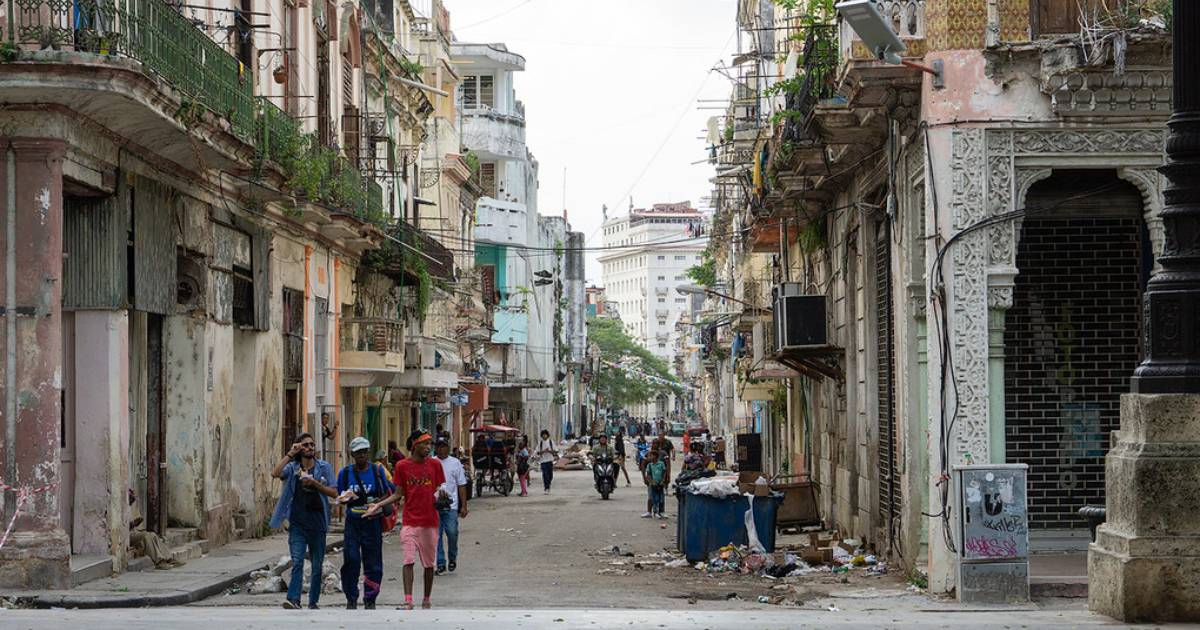
The potential permanent halt of Venezuelan oil further exacerbates this scenario. According to Peñalver, the Cuban system lacks any leeway. "Castrismo is in its final days," he asserted, describing a nation unable to support its population, with a collapsed healthcare system, a crumbling economy, and increasingly visible repression. In his view, the only factor that has allowed the government's continuation is the repressive control, bolstered for years by energy subsidies from Caracas.
Miguel Díaz-Canel, Cuba's appointed leader, responded to Trump with a defiant speech, accusing the United States of "rage" and reaffirming that "no one dictates what we do," while once again blaming the embargo for the island's shortages.
Foreign Minister Bruno Rodríguez denied that Cuba has charged for security services to Venezuela, labeling the situation as "blackmail" and "military coercion."
The Need for Change
However, beyond the official slogans, the anxiety is palpable. The loss of its principal external ally and the direct threat from Washington place the Cuban government in an unprecedented state of vulnerability, especially as tourism plummets and the social crisis deepens.
For Peñalver, the solution does not lie in new agreements that open the door to further external exploitation but in an action he describes as "patriotism." He calls for a national dialogue among Cubans that leads to a genuine transition to freedom, democracy, and the release of political prisoners. Otherwise, he warns, the accumulated pressure will inevitably erupt.
Key Questions on Cuba's Current Crisis
What does Trump's statement mean for Cuba's future?
Trump's statement signifies a significant tightening of pressure on Cuba, aiming to cut off vital support from Venezuela, which could further destabilize the Cuban regime.
Why are remittances so important for Cuba?
Remittances are crucial as they provide financial support to Cuban families, but they also inadvertently fund the state, which uses the funds to maintain its repressive control.
How does the loss of Venezuelan oil impact Cuba?
Without Venezuelan oil, Cuba faces an energy crisis that exacerbates its already struggling economy and increases the government's vulnerability.