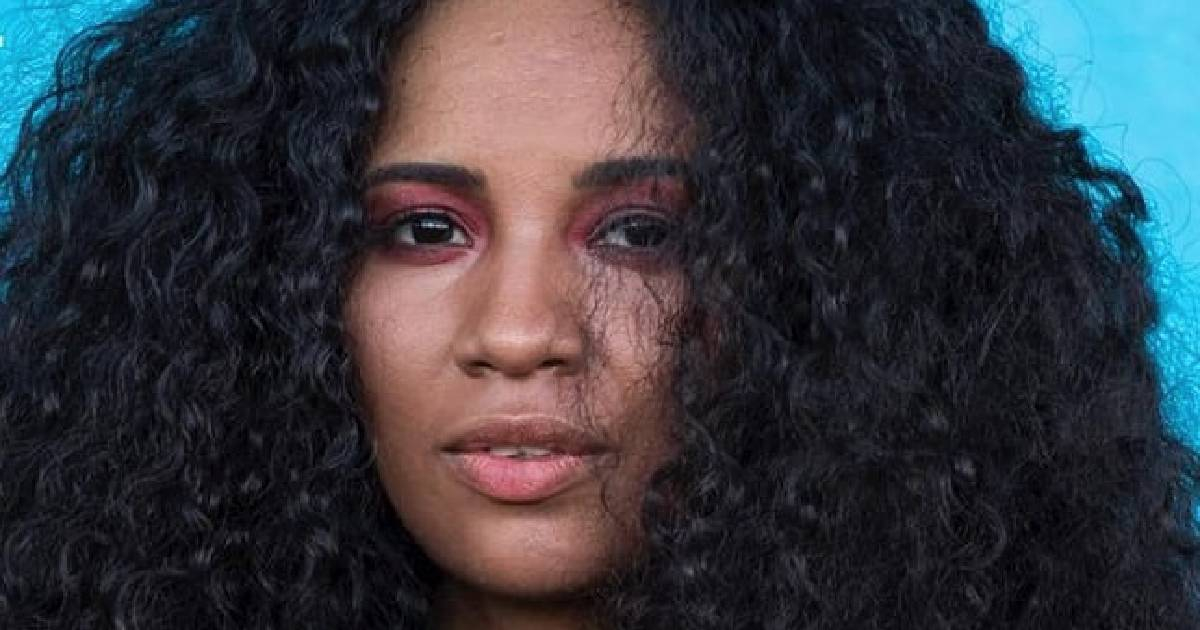
Cuban singer and producer Eme Alfonso responded this weekend to the backlash following allegations of racial discrimination at the Fábrica de Arte Cubano (FAC), an institution led by musician X Alfonso.
In a social media post, the artist asserted that her family "is not racist" and urged people not to dismantle the cultural spaces that still exist on the island.
"It pains me to read such negative comments about my family, labeling us as racists in this manner. Without even knowing the history of my parents, my brother, or myself," wrote Alfonso. She reminded followers that her family has long worked to promote Afro-Cuban culture and cultural diversity.
The artist highlighted that the group Síntesis, founded by her parents Carlos Alfonso and Ele Valdés, "has elevated Yoruba culture, long hidden and undervalued, to the highest spheres worldwide."
She added that her brother, X Alfonso, has created audiovisual projects depicting life in Cuba's poorest neighborhoods, blending hip hop with Afro-Cuban roots.
"I have dedicated myself to creating projects centered on cultural diversity and building bridges between countries precisely to break down barriers of racism and ideological differences," she expressed.
In her message, Alfonso lamented the current climate of social polarization in the country: "Cubans, because of the dire situation we face, are filled with hate and sadness, and I understand the need to expel that pain. But, please, let's be careful not to destroy the most precious things we have left in Cuba in this outburst."
Alfonso's statements followed days after a young Cuban, Alejandro Bridón Mesa, reported on Facebook that he and his companions were denied entry to the FAC under the pretext of "right of admission."
The incident sparked a wave of criticism and accusations of institutional racism against the popular Havana cultural venue.
In response to the controversy, the Instituto Cubano de la Música (ICM) and the Fábrica de Arte Cubano issued official statements denying any racist policy, attributing the incident to an "arbitrary act based on a staff member's personal judgment."
According to the ICM's statement, officials from the organization and the National Center of Popular Music visited the affected individual to apologize and confirmed disciplinary actions against the involved employee.
The institution reiterated its "zero tolerance" policy against acts of discrimination.
The FAC also released a statement apologizing and affirming that it is "not racist or exclusionary," emphasizing that the cultural center "is and will continue to be a home for everyone."
The incident has reignited discussions about structural racism and social privileges in Cuba, a topic gaining traction on social media due to the lack of public spaces for open discourse on these issues.
While the government attempts to quell criticism by labeling the incident a "misunderstanding," many users, activists, and artists argue that the discretionary use of "right of admission" has become a tool of exclusion, predominantly affecting young Black and low-income Cubans.
Understanding Racism and Cultural Spaces in Cuba
What was the incident involving Alejandro Bridón Mesa at the FAC?
Alejandro Bridón Mesa reported being denied entry to the Fábrica de Arte Cubano along with his companions under the pretext of "right of admission," which led to accusations of racial discrimination against the institution.
How did Eme Alfonso respond to the accusations of racism?
Eme Alfonso defended her family and emphasized their commitment to promoting Afro-Cuban culture and cultural diversity, rejecting claims of racism and urging people not to destroy cultural spaces in Cuba.
What actions did the FAC and ICM take following the incident?
Both the FAC and the Instituto Cubano de la Música issued statements denying any racist policies and attributed the event to a staff member's arbitrary action. They apologized to the affected individual and confirmed disciplinary measures against the employee involved.