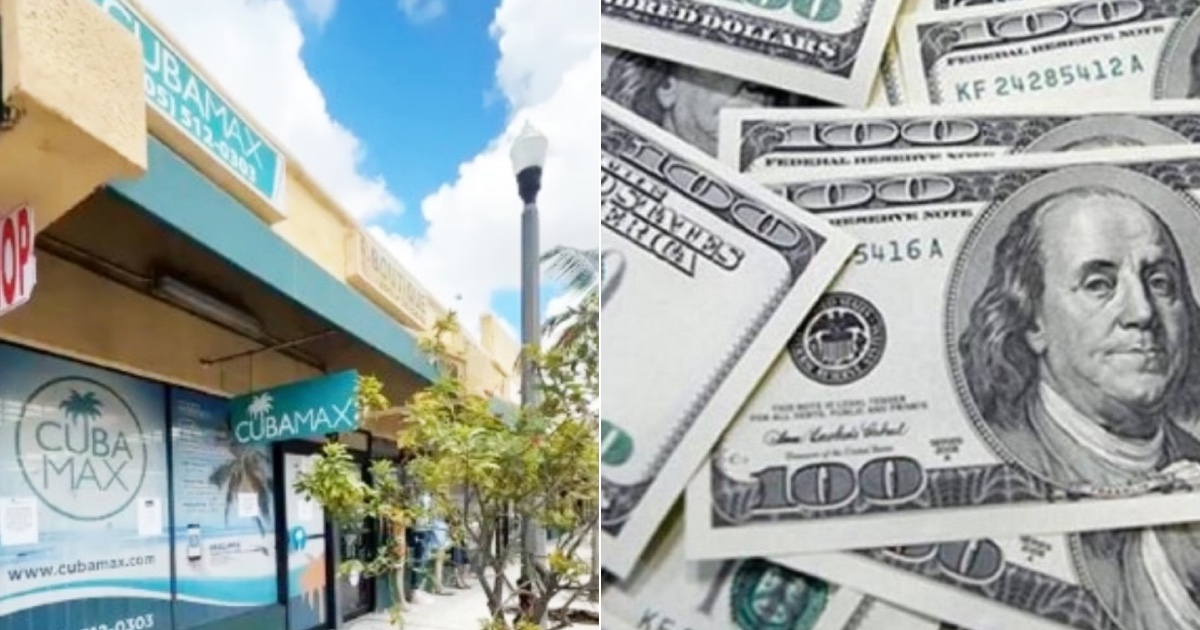
The Cuban government has granted permission to the American company, Cubamax Travel Inc., to conduct financial transactions in Cuba, allowing them to distribute cash in U.S. dollars to recipients within the country. This authorization, outlined in the Central Bank of Cuba's (BCC) Resolution 135/2025, was announced in the Official Gazette on Tuesday.
Signed by Juana Lilia Delgado Portal, the head of the BCC, the directive permits Cubamax to "channel funds through Cuban financial institutions for deposit into accounts, debit cards, or prepaid cards," and also to "provide cash in either the national currency or foreign currency to beneficiaries."
According to the official document, Cubamax, based in Hialeah, Florida, and licensed as a money transmitter by the U.S. Office of Financial Regulation, can operate without establishing a legal entity in Cuba, as long as it adheres to the supervision, transparency, and cybersecurity requirements set by the Central Bank.
Economic and Political Implications
This decision marks a notable shift in the financial policy of the Cuban regime, which has long imposed restrictions on the entry of cash, especially U.S. dollars, citing Washington's sanctions as a barrier to their international use. This move represents another step towards further polarizing the Cuban economy.
The authorization for Cubamax could potentially open a new channel for remittances from the United States, which is the primary source of funds reaching Cuban families. This initiative appears to be another strategy by Miguel Díaz-Canel's government to seize and control foreign currency flows under state regulation.
Operational Requirements and Uncertainties
As per the resolution, Cubamax is required to appoint a representative residing in Cuba, ensure cybersecurity and data protection, comply with Cuban court jurisdiction, and inform users about fees, commissions, and risks. Essentially, this keeps everything under state control at all times.
Despite the potential impact of this measure, the BCC resolution lacks crucial details that would define its real effect on Cuban families. It does not specify service fees or commissions, transaction limits, delivery timelines, or the geographical availability of operations. It is also unclear whether recipients can actually receive dollar bills or if payments will be made in Cuban pesos at the official exchange rate.
By leaving these issues subject to future administrative decisions, the Central Bank maintains significant discretion over how the system operates. Practically speaking, this means users will be at the mercy of conditions imposed by the regime, without clear regulatory frameworks or transparency guarantees.
Resolution 135/2025 is set to come into effect five business days after its publication in the Official Gazette, meaning it will be implemented during the first week of January 2026.
Understanding the Impact of Cubamax's Authorization in Cuba
What is the significance of Cubamax being authorized to operate in Cuba?
Cubamax's authorization marks a significant policy shift, allowing the distribution of U.S. dollars directly to recipients in Cuba, potentially increasing remittances from the United States and impacting the Cuban economy.
What are the requirements for Cubamax to operate in Cuba?
Cubamax must appoint a local representative, maintain cybersecurity measures, adhere to Cuban legal jurisdiction, and inform users of all fees, ensuring everything remains under state oversight.
What uncertainties remain about Cubamax's operations in Cuba?
Key details such as service fees, transaction limits, and whether payments will be made in dollars or pesos remain unspecified, leaving users dependent on future administrative decisions.