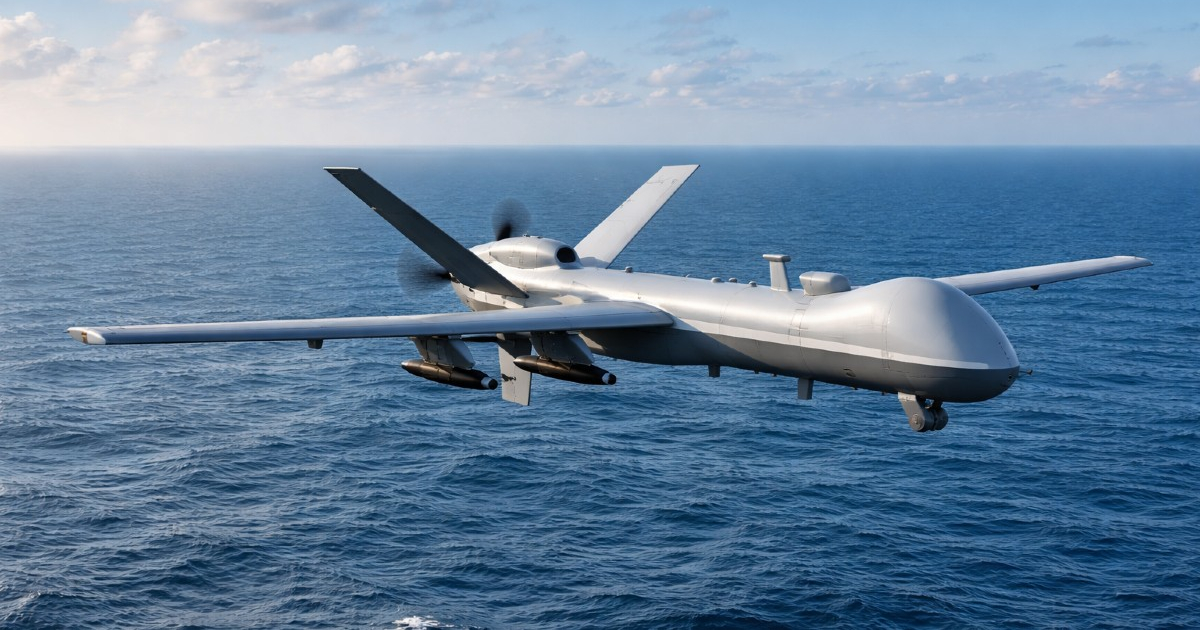
On the night of Christmas Eve, between December 24 and 25, 2025, the United States carried out its first acknowledged direct strike within Venezuelan territory. This operation, conducted by CIA drones against a remote dock on the Venezuelan coast, was identified by Washington as a crucial infrastructure for the Tren de Aragua and other narcotics networks linked to Nicolás Maduro's regime. With no American troops on the ground, the action was labeled an "anti-narcotics strike," marking a significant escalation of U.S. military involvement in the Caribbean.
Strategic Timing and Target Selection
Leak reports from several international outlets reveal that the operation was executed during the night of December 24 to 25, taking advantage of the low activity and general distraction typical of the holiday season. The target was an isolated dock on the Venezuelan coast, described as a loading and departure point for speedboats used to transport cocaine and other drugs to the Caribbean and Central America, under the control of the Tren de Aragua and affiliates of the Chavista elite.
According to U.S. intelligence sources, the dock housed cargo, fuel, and equipment for the "narco-boats" that the U.S. has been targeting for months in the Caribbean and the Pacific. This campaign has destroyed over 30 vessels and resulted in more than 100 fatalities. The choice of this site was based on its high strategic value yet relatively low population density, aiming to minimize the political fallout of a strike inside Venezuela.
Intelligence Gathering and Preparation
Prior to the attack, U.S. agencies spent weeks gathering intelligence on the dock, using satellite imagery, aerial surveillance, and communication intercepts to determine activity patterns. Intelligence analysts identified peak cargo flow times, the presence of vehicles and armed personnel, and the least active periods, crucial for a precise nighttime strike.
Reports indicate that the CIA received support from U.S. Special Operations units, which provided target analysis, damage modeling, and strategies to minimize collateral damage. This led to a window of opportunity on Christmas Eve, when activity at the dock was nearly nonexistent, reducing the likelihood of encountering workers or residents on site.
Operational Profile and Drone Deployment
While Washington has not specified the type of drone used, the previous deployment of MQ-9 Reaper drones in the Caribbean and U.S. operational doctrine suggest this platform was likely employed. The MQ-9 is a medium-altitude, long-endurance drone capable of flying for over 20 hours, equipped with electro-optical and infrared sensors, and often armed with AGM-114 Hellfire missiles and precision-guided bombs.
The drones likely took off from an advanced base in the Caribbean—reports mention deployments in Puerto Rico for the regional campaign—and flew to the Venezuelan coast at medium-high altitude, out of reach of most of the short-range anti-aircraft systems of the Venezuelan National Bolivarian Armed Forces. Upon reaching the target area, the drones conducted observation orbits to confirm the absence of people before launching one or several guided missiles at the dock's structural points and adjacent storage facilities.
Impact and Aftermath of the Strike
Sources cited by CNN and other outlets describe a "surgical" nighttime attack, with a direct hit on the dock's main structure and storage areas identified beforehand in intelligence images. The operational profile followed the classic "kinetic action" pattern: final target identification with infrared sensors, command center authorization, and near-simultaneous firing of precision munitions.
Following the impacts, a large explosion was visible from several kilometers away, followed by fires that lasted into the early morning hours. No massive secondary explosions were documented, suggesting the absence of large munitions stockpiles, reinforcing the theory that the target was a logistical hub for drug storage, fuel, and boat equipment rather than a conventional military base.
Political Implications and Trump's Role
Days later, President Donald Trump claimed responsibility for the operation in a public address, stating that the U.S. had "destroyed a major facility" in Venezuela and speaking of a "big explosion at the dock area where drug boats are loaded." His remarks align with reports of the Christmas Eve strike and the White House narrative of extending the "war on drugs" into Venezuelan territory.
The message is twofold: domestically, Trump presents the strike as proof of firmness against drug trafficking and the Maduro government; internationally, it demonstrates that the naval blockade and boat attacks can be complemented with precision land strikes when Washington deems necessary. Analysts agree that the CIA's use of drones against infrastructure in Venezuela opens the door to further covert actions and raises the risk of escalation if Caracas decides to respond militarily rather than just politically or diplomatically.
Frequently Asked Questions About the CIA's Drone Strike in Venezuela
Why did the United States target a dock in Venezuela?
The dock was identified as a crucial point for the Tren de Aragua and other drug trafficking networks linked to Nicolás Maduro's regime, serving as a logistical hub for narcotics operations.
What kind of drones were likely used in the attack?
While the U.S. has not specified, the MQ-9 Reaper drone, known for its long endurance and precision capabilities, is a likely candidate for the operation.
What were the main goals of the drone strike?
The primary aim was to disrupt the logistical operations of drug trafficking networks by targeting an infrastructure critical to their operations, while minimizing human casualties.
How has Venezuela reacted to the strike?
As of now, the Venezuelan government has not provided detailed damage reports or official casualty figures, and the political implications of this strike remain a subject of concern.