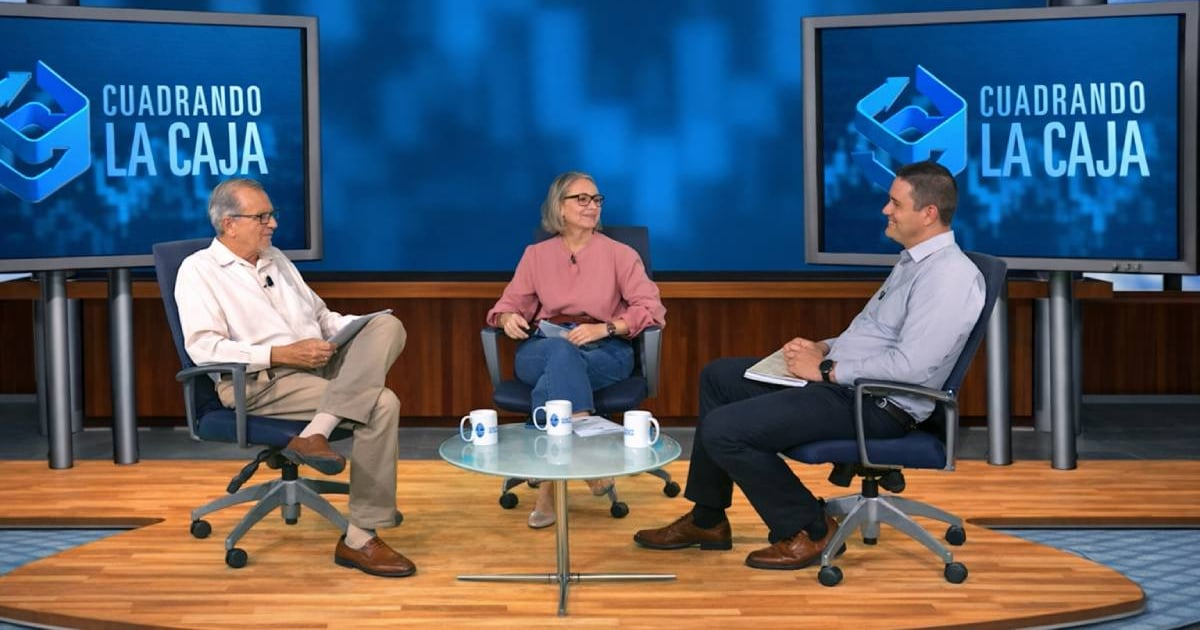
Marxlenin Valdés, host of the television program "Cuadrando la Caja", took to Facebook to share a segment focusing on food production in Cuba, fiercely criticizing those who opposed a guest's suggestion that Cubans should reduce their consumption of non-native foods like potatoes and rice.
In her post, Valdés labeled the critics as "worms," accusing them of maliciously editing the expert's comments. She emphasized the importance of watching the full interview before forming an opinion, urging people to avoid taking social media comments out of context.
The post, which doesn't allow comments, acknowledged the validity of diverse opinions, stating that one doesn't have to agree with everything discussed on the show. "If it sparks debate, it achieves one of its goals... But watch it all first so you don't fall for any 'Chinese tales' (like the rice)," she concluded.
Her remarks underscore the perception that state-run media supports narratives blaming citizens for the crisis, while ignoring governmental failures. The controversy centered on Roberto Caballero from the Cuban Association of Agricultural and Forestry Technicians (ACTAF), who attributed agricultural sector problems to Cuban dietary habits.
Caballero argued that foods like potatoes and rice "are not native to our country" and their consumption hinders national production. He suggested replacing them with local crops such as malanga, sweet potato, yam, or cassava, which are ironically scarce in Cuban markets.
Numerous social media users condemned these statements as irresponsible. "Now they're saying we don't need potatoes, rice, meat, or eggs. The indigenous people only ate cassava... They didn't need electricity either," wrote singer Ulises Aquino.
Others countered the program's claims by highlighting the historical, cultural, and economic significance of rice in Cuban cuisine, such as in traditional dishes like arroz con pollo, moros y cristianos, and arroz con frijoles, influenced by African, Spanish, and Chinese culinary traditions.
Activist Lara Crofs highlighted the state agricultural sector's inability to meet the country's needs, citing a historic decline in rice production: from 163,000 tons of milled rice annually before 1959 to just 30,000 tons by 2025, necessitating substantial imports.
Caballero's rhetoric, implicitly supported by Valdés, is seen as an effort to divert attention from the systemic issues in agriculture, such as lack of investment, corruption, unproductive land, and insufficient wages for producers.
Amid inflation, food shortages, and power outages, the Cuban populace watches as the government prioritizes sectors like international tourism while blaming citizens for the crisis they endure.
Many on social media concluded that the host's and official's messages confirm the regime's preference for shifting blame onto consumers instead of offering real solutions. "According to the Government, the problem isn't the economic disaster; it's that Cubans eat poorly," summarized one user, echoing the frustration of thousands.
In the midst of chronic shortages nationwide, the debate over the Cuban diet reveals not only the agricultural system's failures but also how official media attempts to legitimize narratives that fault the victims of the crisis.
Understanding the Controversy Over Cuban Dietary Recommendations
Why did Marxlenin Valdés call critics "worms"?
Valdés used the term "worms" to describe those who criticized the guest's suggestion on her show, accusing them of editing his comments with malicious intent.
What did Roberto Caballero propose regarding Cuban diets?
Caballero suggested that Cubans should consume less rice and potatoes as they are not native to the country, recommending local crops like malanga, sweet potato, yam, or cassava instead.
How did social media users react to the statements on "Cuadrando la Caja"?
Users widely condemned the statements as irresponsible, pointing out the cultural significance of rice and potatoes in Cuban cuisine and questioning the feasibility of replacing them with suggested alternatives.