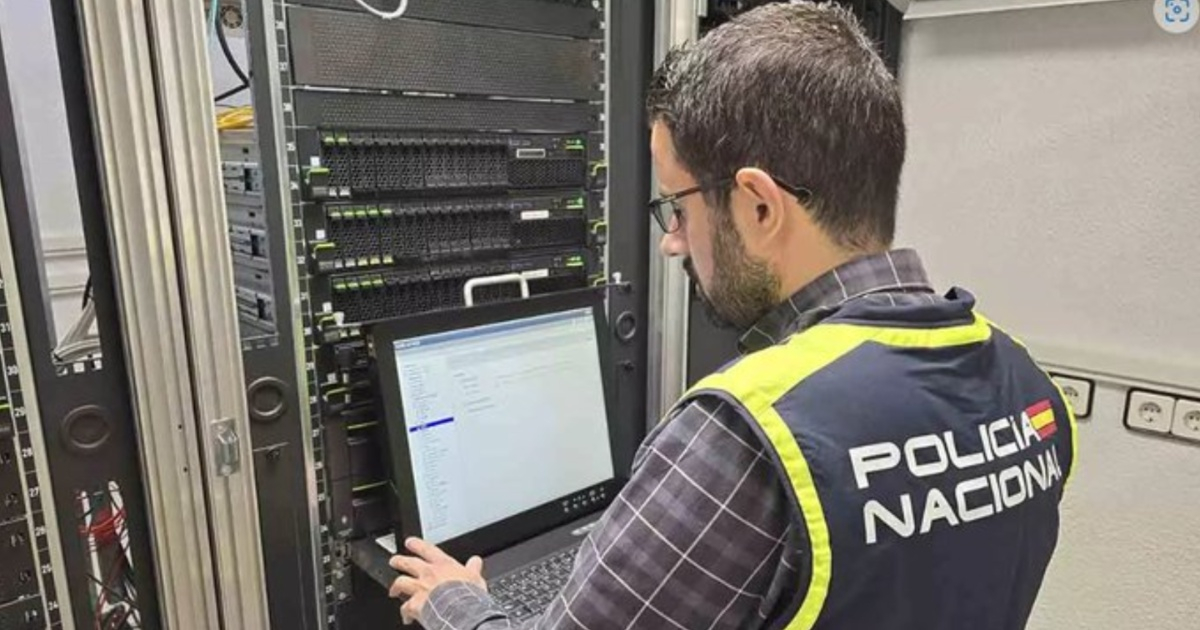
The National Police of Spain has apprehended five individuals in what is being referred to as Operation Rapax, successfully dismantling an alleged criminal network accused of defrauding public subsidies and money laundering. This follows the suspected diversion of nearly seven million euros from the Reindus program, an initiative aimed at industrial reindustrialization and competitiveness.
Reports from local media indicate that specialized economic crime and money laundering agents in Seville have uncovered that Cuba is one of the countries where the misappropriated funds were sent.
The investigation originated from a complaint by the Ministry of Industry regarding the non-payment of two loans granted through Reindus. This regional assistance program is focused on sustainable territorial development via industrial regeneration or creation.
According to the Spanish Ministry of Tourism, Reindus targets underprivileged areas, encouraging investment in both industrial infrastructure and productive business initiatives.
Investigators have confirmed that the allegedly defrauded amount totals nearly seven million euros. The loans were secured through two separate applications filed under different company names, yet the investigation revealed these entities were interconnected and operated in a coordinated manner.
To access the funds, the perpetrators reportedly submitted falsified documents, feigning investments and industrial operations that never took place.
The Money Trail: Cuba Among Key Destinations
Once the public funds were disbursed, the suspects allegedly constructed a "complex commercial and corporate network" composed of over 15 national and international companies.
This intricate structure led investigators to trace the financial trail to countries including Cuba, Panama, Costa Rica, and Saudi Arabia, with the intent—according to the report—of laundering the funds and bestowing them with a veneer of legitimacy.
With judicial authorization, law enforcement executed the freezing of 48 bank accounts linked to the scheme and conducted three searches in the Cádiz province: Zahara de la Sierra, San Fernando, and El Puerto de Santa María.
During these operations, authorities seized more than 80,000 euros in cash, electronic devices, and "substantial documentation" currently under scrutiny.
Among those arrested are the alleged leaders of the organization and three relatives accused of acting as fronts to conceal the origin and destination of the funds.
The five detainees have been brought before the judicial system. The investigation remains active, and the police do not rule out further actions or arrests.
Key Questions about the Spanish Public Funds Fraud
What is the Reindus program?
The Reindus program is an initiative by the Spanish government aimed at promoting industrial reindustrialization and strengthening competitiveness, particularly in underprivileged regions.
How was Cuba involved in the fraud case?
Cuba was identified as one of the destinations for the misappropriated funds, as part of a broader network of countries used to launder the money and create an appearance of legality.
What actions have been taken by Spanish authorities?
Spanish authorities have frozen 48 bank accounts related to the scheme, conducted searches, and seized cash and documents as part of their ongoing investigation.