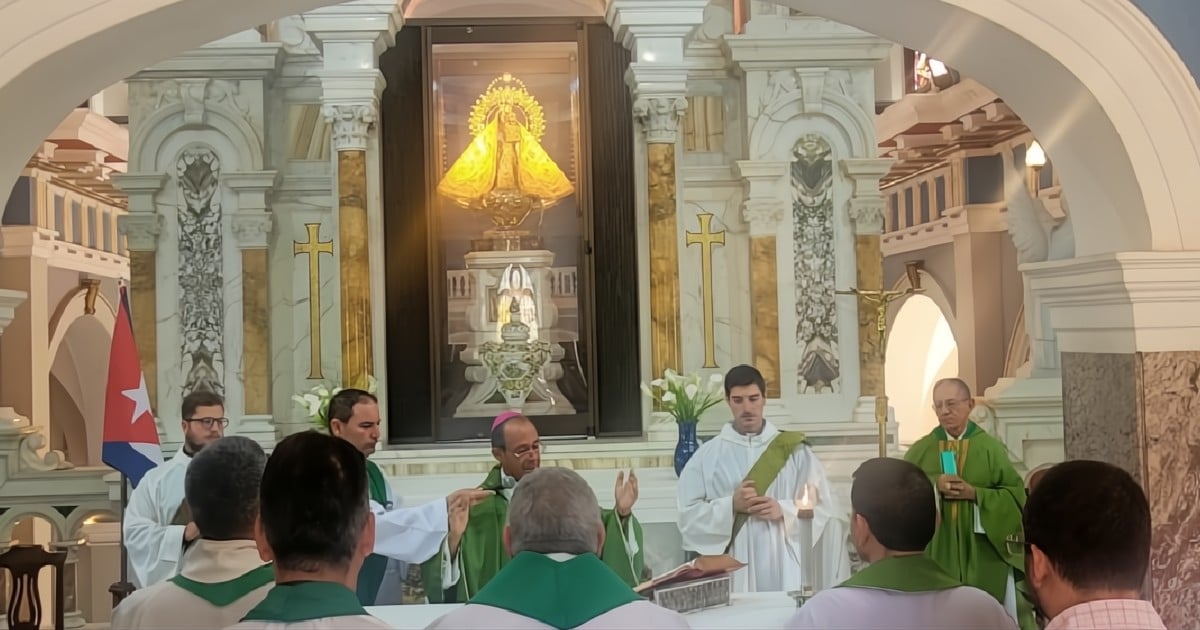
The Catholic Bishops Conference of Cuba (COCC) has issued its 2025 Christmas Message, reaching out to both the faithful and all Cubans. The message reflects on the profound significance of Jesus Christ's birth, drawing parallels with the current challenges facing the nation, including social, economic, and human hardships, while underscoring the need for hope, unity, and solidarity.
The bishops remind us that Christmas marks the birth of Jesus Christ to a humble, impoverished family, akin to many families in today's world.
This year, the bishops emphasize that the holiday season will be particularly challenging for numerous individuals and families, especially those impacted by Hurricane Melissa in eastern Cuba. They commend the solidarity shown to these communities and pledge continued prayers and support.
"Christmas is a celebration of family," the message asserts, highlighting the opportunity to gather around the table or in church during this time.
The document urges an appreciation for those who gave us life and worked tirelessly to raise us as good people, calling for gratitude and a commitment to help them.
The message also calls for opening hearts to Jesus Christ, beginning with sincere forgiveness towards family, neighbors, and colleagues. It stresses the importance of showing compassion to those who are alone and have no one to share with.
"Let us express love to the elderly, the sick, prisoners, and their families. Let us not ignore those begging or searching through trash for food," it emphasizes.
In this context, the Church views Christmas as an invitation to embrace fraternity, engage in dialogue, and build bridges instead of walls. The bishops encourage forgetting past grievances, recognizing each other as brothers, and working together to build a better Cuba.
Revisiting their 2020 Christmas Message, the bishops reiterate wishes that remain relevant: the end of food insecurity, dignified jobs and wages, the avoidance of violence and insults, the transition from intolerance to dialogue, the ability for Cubans to thrive without emigrating, and government actions that encourage creativity, unleash productive forces, and legislate for comprehensive human development.
To these aspirations, they add more urgent needs, urging collective effort to make them a reality.
The COCC affirms that Christian hope strengthens individual and collective commitment, especially when contemplating Jesus Christ's birth.
"Through hope, which is Christ, each person finds answers to life's and death's questions, health and illness, love and violence, frustrations and powerlessness," they emphasize.
In this Jubilee Year, the bishops call upon Christians and Cubans to be bearers of hope, inspiring actions that contribute to building a new Cuba.
They entrust the nation to the Blessed Virgin of Charity, seeking her intercession for all.
The message concludes with a blessing, praying for the Lord to accompany, defend, guide, and protect the Cuban people, and extending wishes for a Merry Christmas and a Blessed New Year 2026.
Understanding the Christmas Message of Cuba's Catholic Bishops
What is the main theme of the 2025 Christmas Message from the COCC?
The main theme is one of hope, reconciliation, and social commitment, with an emphasis on unity and solidarity amidst Cuba's current challenges.
How do the bishops propose Cubans should respond to difficulties this Christmas?
The bishops encourage forgiveness, expressions of love, and acts of solidarity, particularly towards those who are vulnerable or affected by recent hardships such as Hurricane Melissa.
What previous message do the bishops refer to, and why?
They refer to their 2020 Christmas Message, reiterating ongoing desires for economic stability, social justice, and government reforms that remain unfulfilled.